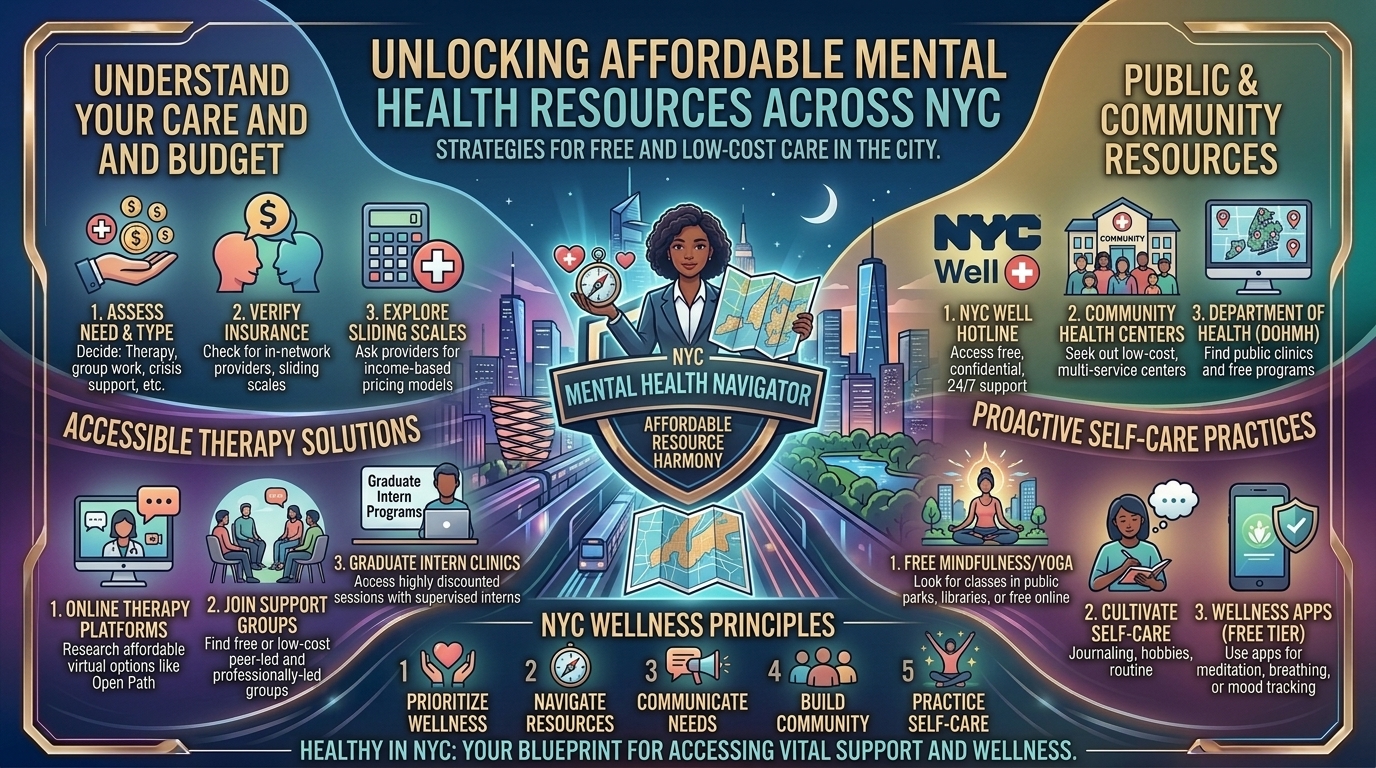
Living in New York City is an extraordinary experience, but it comes at a psychological cost. The relentless hustle, high-stakes career pressures, financial strain of exorbitant rent, and sensory overload of a dense metropolis can easily strain even the most resilient minds. Whether you have relocated from the wide-open expanses of Texas, the sun-drenched coastlines of California, the pine forests of Washington, or the tech-pioneering hills of San Francisco, the emotional velocity of the Big Apple can trigger stress, anxiety, burnout, and depression.
Unfortunately, a common misconception keeps many residents from seeking help: the belief that high-quality mental health care in New York is an exclusive luxury reserved for the wealthy. With private therapy sessions in Manhattan frequently costing between $200 and $400 an hour out-of-pocket, it is easy to feel priced out of healing.
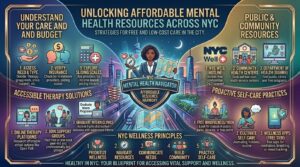
The reality, however, is very different. New York City boasts one of the most robust, diverse networks of low-cost, sliding-scale, community-based, and public mental health resources in the world—if you know where to look. This comprehensive guide details everything you need to know to find affordable, high-quality mental health wellness resources across New York City.
The Mental Health Reality in the Urban Crucible
Before diving into resources, it is vital to normalize the need for support. In a culture that historically glorified relentless, sleep-deprived grinding, admitting that you are struggling can feel like an act of vulnerability.
Yet, acknowledging that the urban environment impacts your psychological well-being is the first step toward reclaiming your health. Therapy and wellness resources are not emergency measures meant only for breaking points; they are essential maintenance tools—just like going to the gym or eating nourishing food.
Category 1: Publicly Funded and City-Wide Resources
New York City operates extensive public health initiatives designed to ensure that financial status never acts as a barrier to receiving care.
1. NYC Well: The City’s 24/7 Mental Health Lifeline
If you don’t know where to start, NYC Well is your ultimate entry point. Funded by the city, it is a free, confidential helpline that connects residents to mental health and substance use support 24 hours a day, 7 days a week, 365 days a year.
- How to Access: You can call 1-888-NYC-WELL (1-888-692-9355), text “WELL” to 65173, or chat live directly on their website.
- What They Offer: Immediate crisis counseling, short-term counseling over the phone or text, and direct referrals to low-cost or sliding-scale clinics across all five boroughs, regardless of your immigration status or insurance coverage.
2. NYC Health + Hospitals System
As the largest public health care system in the United States, NYC Health + Hospitals operates public hospitals and community health centers in every borough.
- Options for the Uninsured: Through programs like NYC Care, low-income residents who do not qualify for or cannot afford health insurance can access comprehensive health care—including mental health counseling and psychiatry—at low or zero cost based on a sliding income scale.
Category 2: Low-Cost and Sliding-Scale Training Clinics
Some of the highest-quality, most compassionate psychotherapy in New York City can be found at university-affiliated training institutes and psychoanalytic centers.
Why Training Clinics Are a Hidden Gem
Graduate students and post-graduate psychological interns provide therapy under the rigorous supervision of licensed, veteran clinical psychologists and psychiatrists. Because the therapists are in training, session fees drop dramatically—often ranging from $15 to $50 per session, or operating on a true sliding scale based on what you can afford.
Top Training Clinic Networks in NYC:
- The Derner Institute Psychological Services Center (Adelphi University): Offers affordable community psychotherapy services.
- William Alanson White Institute: Offers various low-fee clinical services and psychoanalytic psychotherapy.
- Ferkauf Graduate School of Psychology Clinics: Provides low-cost psychological evaluations and therapy.
- The Training Institutes Across Manhattan and Brooklyn: Many local social work and psychology graduate programs run community-facing mental health clinics open to the general public.
Category 3: Community Health Centers and Federally Qualified Health Centers (FQHCs)
Federally Qualified Health Centers are community-based clinics that provide comprehensive primary care and behavioral health services to underserved communities.
- Sliding-Scale Mandate: FQHCs receive federal funding specifically to provide care regardless of a patient’s ability to pay. Fees are structured on a sliding scale tied directly to your household income and family size.
- Integrated Care: These centers often combine medical, dental, and mental health under one roof, making it easy to receive holistic wellness support in your specific neighborhood.
Category 4: Insurance Hacks and Nonprofit Advocacy Networks
If you have employer-sponsored health insurance or state-funded Medicaid/Medicare, navigating coverage can still feel confusing. Utilize these advocacy tools to maximize your benefits:
- Open Path Psychotherapy Collective: A nationwide nonprofit network—heavily active in New York—that connects individuals with mental health professionals who offer in-office and online psychotherapy sessions for $30 to $80 per session for individuals without adequate insurance coverage.
- The Legal Aid Society & Community Healthcare Advocates: If your insurance company denies coverage for mental health treatment or psychotherapy, these advocacy groups help patients fight insurance denials and secure reimbursement.
10 Frequently Asked Questions (FAQs)
1. Can I get free mental health therapy in NYC if I have zero income and no insurance?
Yes. NYC Health + Hospitals facilities, public community health centers, and organizations partnering with NYC Well provide free or nominal-fee mental health care to uninsured and low-income residents.
2. How do sliding-scale therapy fees actually work?
A sliding scale means the therapist or clinic adjusts their session fee based on your gross annual income and financial circumstances. You will typically be asked to provide proof of income (such as a pay stub or tax return) during your intake assessment.
3. Are low-cost therapy clinics lower quality than private practice?
Not at all. In fact, training clinics are often supervised by some of the most respected professors and clinical supervisors in the field, meaning your therapist receives rigorous oversight and guidance on your case.
4. What is the difference between a psychiatrist, a psychologist, and a licensed social worker?
- Psychiatrists are medical doctors who can prescribe medication and manage medical treatments.
- Psychologists hold doctoral degrees (PhD or PsyD) and specialize in psychological testing and advanced psychotherapy.
- Licensed Clinical Social Workers (LCSWs) and Mental Health Counselors (LMHCs) specialize deeply in talk therapy and counseling.
5. How long is the waitlist for low-cost clinics in New York?
Because demand for affordable mental health care is high, sliding-scale training clinics and public centers can sometimes have waitlists ranging from a few weeks to a couple of months. If you are in acute crisis, use NYC Well or local hospital emergency departments for immediate assistance.
6. Can I access affordable therapy online or via telehealth in NYC?
Yes! Many community clinics, training institutes, and platforms like Open Path offer telehealth video sessions, allowing you to access affordable care from the comfort of your apartment without commuting across the city.
7. Does New York State Medicaid cover mental health services?
Yes, New York State Medicaid covers outpatient mental health visits, psychiatric evaluations, and prescription medications with little to no copays for eligible low-income residents.
8. What should I do if I am experiencing an immediate mental health crisis?
If you or someone you know is experiencing an immediate safety crisis, call 988 (the Suicide & Crisis Lifeline) or go to the nearest hospital emergency room. You can also text HOME to 741741 to connect with the Crisis Text Line 24/7.
9. How do I find a therapist who understands the unique stress of living in NYC?
When searching through directories like Psychology Today or Open Path, you can filter therapists by specialties such as “career burnout,” “life transitions,” “transplants/acculturation,” or urban stress to find someone who relates to your specific lifestyle pressures.
10. Is mental health care utilization stigmatized in corporate New York culture?
Corporate attitudes toward mental health have evolved significantly. Many high-powered firms now offer robust Employee Assistance Programs (EAPs) that provide several free confidential therapy sessions per year. Check your HR portal to see what free benefits your employer provides.
Conclusion
Finding affordable mental health wellness resources across New York City requires knowing where to look, but the options are remarkably robust. Whether you utilize the 24/7 support of NYC Well, tap into low-fee university training clinics, or explore sliding-scale collectives like Open Path, financial constraints should never prevent you from getting the psychological care you deserve.
Prioritize your well-being, protect your peace, and discover more urban survival guides, lifestyle tips, and city resources right here at nyattitude.com to help you thrive in the greatest city on earth!