There is a universal, comforting language that transcends municipal borders, state lines, and regional cultures: the rich, buttery aroma of freshly baked bread.
Whether you have recently packed up your belongings and moved from the sprawling horizon lines of Texas, the sun-drenched coastal enclaves of California, the evergreen pine forests of Washington State, or the tech-pioneering hills of San Francisco to build a life in a dense urban core like New York City, the initial adjustment can feel overwhelming. Towering glass skyscrapers, rushing subway crowds, and anonymous concrete blocks can make a sprawling metropolis feel cold and detached.
When you want to understand the true pulse of a neighborhood, bypass the corporate coffee chains, skip the high-end tourist landmarks, and walk straight through the door of a local independent neighborhood bakery.
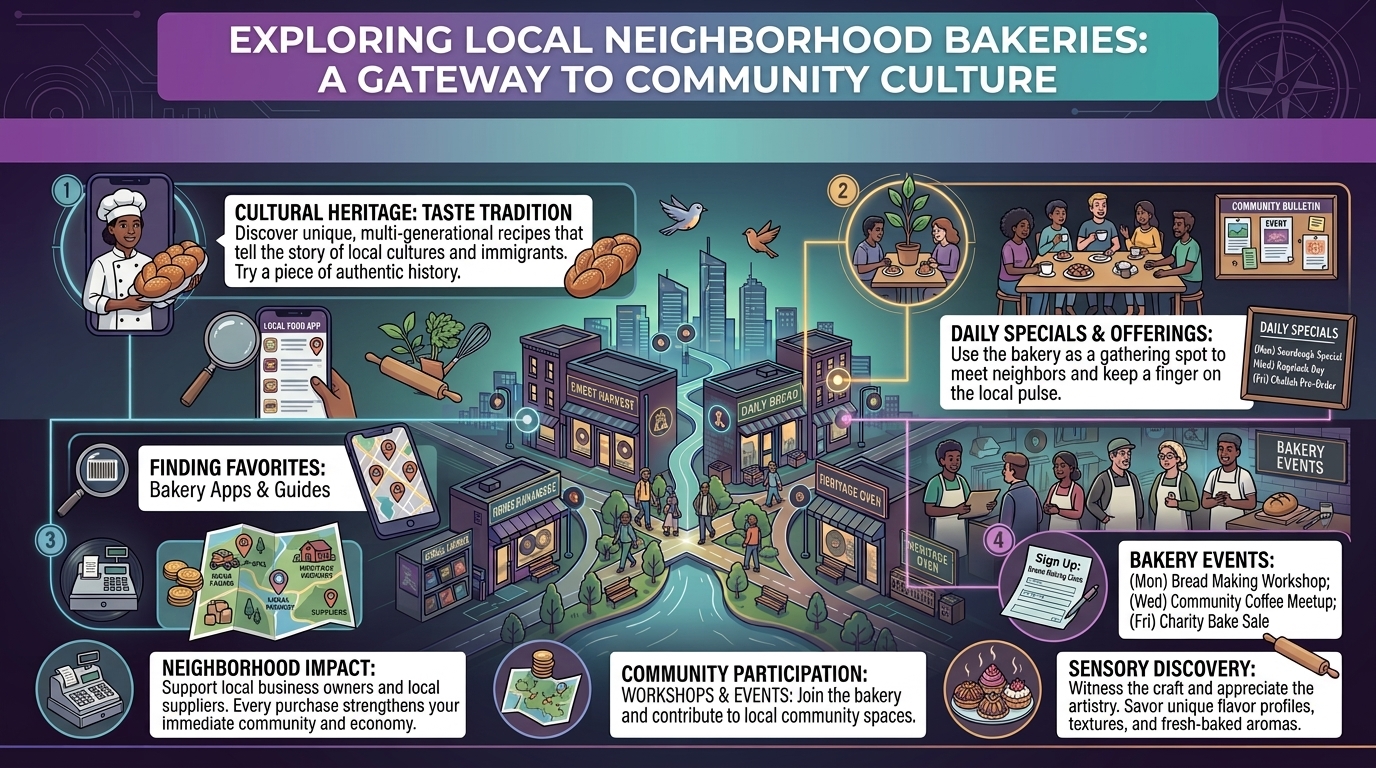
Long before community centers, local government offices, or neighborhood associations established their roots, the corner bakery served as the original social hearth of urban life. This comprehensive guide explores why exploring independent neighborhood bakeries is the ultimate way to experience authentic community culture.
The Philosophy of the Corner Bakery: The Original “Third Place”
In urban sociology, the concept of the “third place”—coined by sociologist Ray Oldenburg—refers to social environments separate from the two usual environments of home (“first place”) and the workplace (“second place”). Third places include coffee shops, libraries, and parks. However, the historic neighborhood bakery holds a uniquely sacred tier among third places.
- Multigenerational Gathering Spaces: A true neighborhood bakery does not just sell food; it serves as a daily ritual. It is where grandparents pick up morning pastries for their grandchildren, where neighborhood gossip is exchanged across the counter, and where local bakers preserve culinary traditions handed down through families across generations.
- Sensory Immersion: Walking into an independent bakery instantly grounds you in the present moment. The hiss of steam from an espresso machine, the flour-dusted countertops, and the visual feast of artisanal sourdoughs, croissants, empanadas, pan dulce, or kolaches tell a profound story about who lives in that specific neighborhood.
Regional Flavor Profiles: How Bakeries Mirror Local Communities
Across the diverse regional landscape of America, neighborhood bakeries reflect the immigrant waves, agricultural histories, and cultural evolutions of their surroundings:
1. New York City: The Immigrant Melting Pot
In neighborhoods stretching from Astoria in Queens to Crown Heights in Brooklyn and the Lower East Side of Manhattan, bakeries are living historical archives.
- You can walk down a single block and purchase traditional Jewish babka from a century-old bakery, Greek spanakopita from a family-run Hellenic oven, and Dominican tres leches cakes all within a five-minute radius. These storefronts embody the cultural mosaic of the city.
2. San Francisco & The Pacific Northwest: Artisan Craft & Sourdough Culture
- Along the misty coastal corridors of the West Coast, neighborhood bakeries focus heavily on slow-fermentation sourdough chemistry, organic California grains, and sustainable farm-to-table baking practices that mirror the region’s deep reverence for ecological stewardship.
3. Texas: Cultural Cross-Pollination
- In Texan communities, local bakeries beautifully blend European immigrant baking histories (such as historic Czech kolaches brought to Central Texas) with vibrant Mexican panaderías, creating a unique culinary identity deeply rooted in community hospitality.
Step-by-Step Guide: How to Experience Culture Through Bakeries
If you want to move beyond being a casual customer and truly experience neighborhood culture through local bakeries, use this tactical approach:
1. Go Early (The Morning Social Hour)
- The Sweet Spot: Arrive between 7:30 AM and 9:00 AM on a weekday or Saturday morning. This is when the bakery is at its most authentic. You will see local regulars chatting with the bakers, kids grabbing treats before school, and neighborhood dynamics in full swing.
2. Ask the Baker for Recommendations
- Never just point at the glass display case in silence. Build a brief rapport with the person behind the counter: “Good morning! What is the house specialty today that your grandfather or master baker is most famous for?” This question instantly unlocks passionate storytelling and insider recommendations that aren’t printed on the menu.
10 Frequently Asked Questions (FAQs)
1. How can I distinguish between an authentic independent bakery and a commercial chain?
Look for signs of handcrafting: irregular pastry shapes, flour-dusted display trays, staff who know their regular customers by name, and a lack of standardized corporate branding across multiple states.
2. Are independent bakeries more expensive than supermarket bakeries?
While artisanal ingredients, organic flours, and long fermentation times mean independent baked goods cost slightly more than mass-produced supermarket bread, the quality, flavor, and health benefits are exponentially higher.
3. Why are morning hours so important when visiting local bakeries?
The best items—freshly baked sourdough loaves, warm croissants, and delicate pastries—sell out early. Visiting in the morning ensures you get items at their absolute peak freshness.
4. How do neighborhood bakeries preserve local culture?
They keep historic family recipes alive, source ingredients from local regional farms, and provide a physical gathering space where neighbors from diverse backgrounds connect over shared meals.
5. Can I ask bakers about the history of their recipes?
Absolutely! Most independent bakers are immensely proud of their craft and heritage, and they love sharing the history behind their signature doughs and pastries.
6. What should I do if I have dietary restrictions (like gluten-free or vegan)?
Many modern independent bakeries now specialize in high-end gluten-free or plant-based baking without sacrificing traditional artisanal flavors. Always check their daily menu boards.
7. Why is buying from a local bakery better than buying pre-packaged bread?
Commercial breads often contain chemical preservatives, artificial dough conditioners, and excessive sugars to extend shelf life. Independent bakeries use simple, wholesome ingredients like flour, water, salt, and wild yeast.
8. Are neighborhood bakeries good places to work or read quietly?
Some neighborhood bakeries feature seating areas, but many are designed for quick neighborhood traffic. If you plan to read or work, look for bakery-cafes with dedicated seating or outdoor benches.
9. What is the best way to store artisanal sourdough bread at home?
Avoid plastic bags, which trap moisture and ruin the crust. Store your loaf cut-side down on a wooden cutting board, or wrap it loosely in a clean linen kitchen towel or a paper bag.
10. Why is exploring local bakeries considered the ultimate way to experience a city?
Because food is the most intimate expression of culture. A neighborhood bakery opens a direct window into the history, labor, love, and identity of the people who call that community home.
Conclusion
Exploring local neighborhood bakeries is much more than a delicious weekend culinary errand; it is the most authentic, grounded way to experience the living culture of a community. By stepping inside independent storefronts, engaging with passionate local bakers, and savoring time-honored recipes, you transform an unfamiliar urban landscape into a warm, welcoming home.
Support your local ovens, embrace neighborhood traditions, and discover more urban lifestyle guides, cultural explorations, and neighborhood tips right here at nyattitude.com to help you master life in the greatest cities on earth!