Where to Shop for Sustainable Ethical Fashion Brands Founded by Local Designers Here
Welcome to nyattitude.com, your ultimate authority on conscious urban culture, style innovation, and mindful consumerism. Across metropolitan epicenters and creative hubs—from the bustling avenues of New York and San Francisco to the sun-drenched studios of California, the progressive corridors of Washington, and the burgeoning artisan markets of Texas—a quiet revolution is taking place.
The era of fast fashion—defined by micro-trends, exploitative labor practices, and mounting textile landfills—is facing a powerful counter-movement. Modern consumers are no longer just asking, “How does this look?” They are demanding, “Who made this, how was it sourced, and what is its footprint?”
Shopping for sustainable, ethical fashion brands founded by local designers is more than a retail choice; it is an active investment in your community, regional manufacturing, and planetary health. If you are looking to curate a conscious capsule wardrobe supporting independent, local visionaries, this comprehensive guide details exactly where, how, and what to shop.
Phase 1: Why Local & Ethical Matter in Modern Fashion
Before diving into specific regional shopping destinations, it helps to understand why buying locally designed, ethically produced garments changes the fashion landscape.
- Radical Supply Chain Transparency: When a brand produces locally in hubs like New York, Los Angeles, or Austin, the distance between the sketchpad and the sewing floor shrinks. You can trace where the organic cotton, deadstock linen, or recycled textiles originate.
- Fair Labor Standards: Fast fashion relies heavily on overseas sweatshops where workers face dangerous conditions and sub-living wages. Local independent designers typically partner with domestic, unionized, or closely audited ethical factories ensuring fair wages and safe environments.
- Combating Overproduction: Independent local designers rarely manufacture tens of thousands of duplicate units. They lean into small-batch or made-to-order models, drastically reducing the billions of tons of unsold clothing incinerated annually.
—## Phase 2: Regional Hotspots — Finding Local Designers Across the US
Because our style community spans multiple dynamic states, the sustainable fashion ecosystem looks different depending on where you are shopping. Here is how local ethical design thrives across our core regions:
1. New York (Manhattan & Brooklyn)
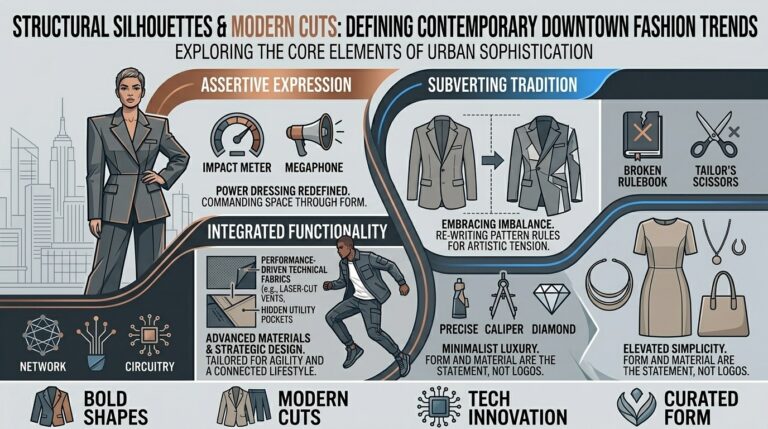
- The Vibe: Structural tailoring meets avant-garde upcycling and downtown grit.
- What to Look For: New York is home to iconic pioneers like Mara Hoffman and Collina Strada (Hillary Taymour), who blend high fashion with aggressive eco-activism and upcycled deadstock fabrics. Brooklyn-based spaces focus heavily on zero-waste creation (such as Zero Waste Daniel) and slow-fashion collectives.
- Shopping Districts: Look for independent concept boutiques in the Lower East Side, Williamsburg, and Nolita that curate strictly domestic, zero-waste local labels.
2. California (Los Angeles & San Francisco)
- The Vibe: Laid-back coastal organic, innovative fabric tech, and artisanal dye practices.
- What to Look For: Los Angeles serves as the manufacturing backbone for a massive percentage of American-made sustainable apparel. Independent LA and Bay Area designers excel at using organic plant-based fibers, non-toxic natural dyes derived from earth and flora, and closed-loop manufacturing.
- Shopping Districts: Explore the Arts District in downtown LA, Abbot Kinney in Venice Beach, and mission-district independent co-ops in San Francisco.
3. Texas (Austin & Beyond)
- The Vibe: Rugged heritage craftsmanship, organic cotton innovation, and slow-crafted durability.
- What to Look For: Texas features a burgeoning community of independent leather-alternatives creators, organic denim refiners, and slow-fashion studios that emphasize pieces built to last a lifetime.
- Shopping Districts: South Congress (SoCo) in Austin and independent maker markets across major Texas cultural centers champion regional Texas-made textiles.
4. Washington (Seattle & Pacific Northwest)
- The Vibe: Weather-resistant outdoor utility, hemp-based garments, and circular design philosophy.
- What to Look For: Heavily influenced by the natural beauty of the PNW, Washington designers focus on heavy-duty, earth-conscious natural fibers like industrial hemp, wool from regional farms, and modular repairable outerwear.
Phase 3: Essential Categories of Sustainable Local Fashion to Invest In
When building an ethical wardrobe from local creators, focus on versatile cornerstone categories rather than fleeting trends:
1. The Transseasonal Outerwear Piece
Whether it is a heavy organic-cotton utility jacket crafted in Seattle or an upcycled trench coat pieced together in a New York studio, investing in a statement jacket from a local designer anchors your entire wardrobe.
2. Small-Batch Knitwear & Organic Basics
Avoid synthetic acrylics and polyester blends that shed microplastics into our water systems. Look for local designers utilizing GOTS-certified organic cotton, linen, and ethically sheared alpaca or wool.
3. Upcycled & Redesigned Statement Pieces
Many modern ethical designers specialize in “upcycling”—taking vintage garments, deadstock rolls from major luxury houses, or discarded textiles and reconstructing them into completely unique, one-of-a-kind modern garments.
Comparative Matrix: Fast Fashion vs. Local Ethical Designer Brands
| Metric | Fast Fashion Retailers | Local Ethical Designer Brands |
| Production Volume | Mass-produced millions of units globally | Small-batch, limited-run, or made-to-order |
| Labor Conditions | Often outsourced to unregulated, low-wage factories | Transparent, fair-wage domestic or audited facilities |
| Fabric Sourcing | Cheap synthetics (virgin polyester, nylon) | Organic, regenerative, biodegradable, or deadstock fibers |
| Garment Lifespan | Designed to fall apart after a few wears | Crafted for durability, repairability, and timelessness |
| Community Impact | High carbon shipping footprint and waste | Supports local regional economies and artisan traditions |
Pro-Tips for Shopping Ethical and Local Successfully
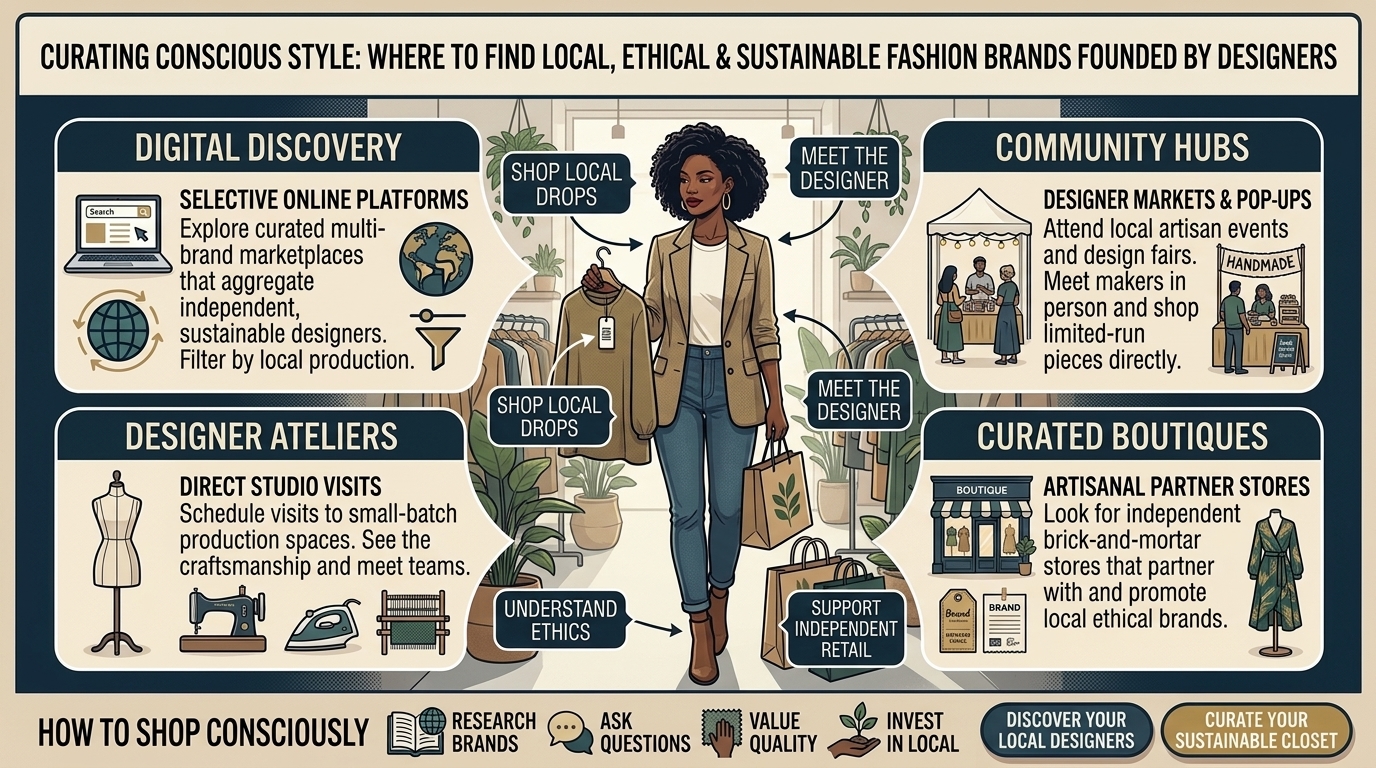
- Ask the Right Questions: When walking into an independent boutique, don’t hesitate to ask the staff: “Where was this garment manufactured?” and “Who is the designer behind this collection?” True ethical brands will proudly share their supply chain story.
- Prioritize Cost-Per-Wear: Local, ethically made clothing carries a higher initial price tag than fast-fashion chains. Remember that you are paying for fair living wages, high-quality organic materials, and durability. Divide the price by how many years you will wear it.
- Support Maker Markets and Pop-Ups: Some of the most brilliant emerging sustainable designers do not yet have permanent brick-and-mortar storefronts. Keep an eye out for seasonal artisan markets, design collectives, and local sustainable fashion pop-ups in New York, Austin, and San Francisco.
Frequently Asked Questions (FAQ)
1. How do I know if a local brand is truly ethical and not just “greenwashing”?
Look for concrete transparency. True ethical brands explicitly list where their factories are located, what certifications their fabrics hold (such as GOTS, OEKO-TEX, or Fair Trade), and openly discuss their production limitations.
2. Why is sustainable local fashion more expensive than regular clothing?
Prices reflect the true cost of production: paying workers fair living wages, sourcing high-grade organic or recycled materials, and producing items in small batches rather than exploiting mass-industrial loopholes.
3. Where can I find local sustainable designers in New York City?
Explore independent concept boutiques in Soho, Nolita, and Williamsburg, or visit curated sustainable co-ops and eco-design showcases throughout Brooklyn and Manhattan.
4. Do local ethical brands cater to all body types?
Many independent local designers embrace slow-fashion practices precisely because they offer small-batch production or custom sizing options, ensuring garments fit real human bodies rather than rigid algorithmic sizing.
5. What are deadstock fabrics, and why are they sustainable?
Deadstock refers to leftover, unused fabric rolls from major fashion houses or mills that would otherwise be sent to landfills. Independent designers repurpose these fabrics to create limited-edition runs without generating new textile waste.
6. Can I find sustainable menswear from local designers?
Yes! While sustainable fashion has historically leaned heavily into womenswear, an increasing number of independent local designers are launching gender-neutral or dedicated men’s capsules focusing on hemp, organic cotton, and durable workwear.
7. How should I care for eco-friendly and natural clothing?
Wash garments less frequently, use cold water settings, avoid harsh chemical detergents, and line-dry whenever possible to preserve natural fibers and extend the life of your wardrobe.
8. Are thrift and vintage stores considered part of sustainable fashion?
Absolutely. Shopping at local vintage and consignment boutiques is the ultimate form of circular fashion because it keeps existing garments in rotation and requires zero new resource extraction.
9. How do California and Texas differ in their local fashion styles?
California fashion often leans toward relaxed, organic coastal aesthetics with an emphasis on innovative bio-based materials, whereas Texas style heavily incorporates durable heritage craft, structured leather alternatives, and robust everyday wear.
10. Where can I keep up with new sustainable designer showcases?
Keep your browser bookmarked right here at nyattitude.com for ongoing spotlights on independent local designers, ethical shopping guides, and urban trend reports!
Conclusion
Stepping away from fast fashion and building a wardrobe rooted in sustainable, locally designed ethical pieces is one of the most rewarding changes you can make. Whether you are hunting for avant-garde upcycled creations in New York, organic coastal staples in California, or rugged heritage pieces in Texas, supporting independent local designers keeps creativity alive and protects our planet. Choose quality over quantity, wear your values proudly, and let your wardrobe reflect a smarter, more conscious attitude.
What city guide or sustainable fashion trend would you like nyattitude.com to explore next? Drop your thoughts in the comments below!