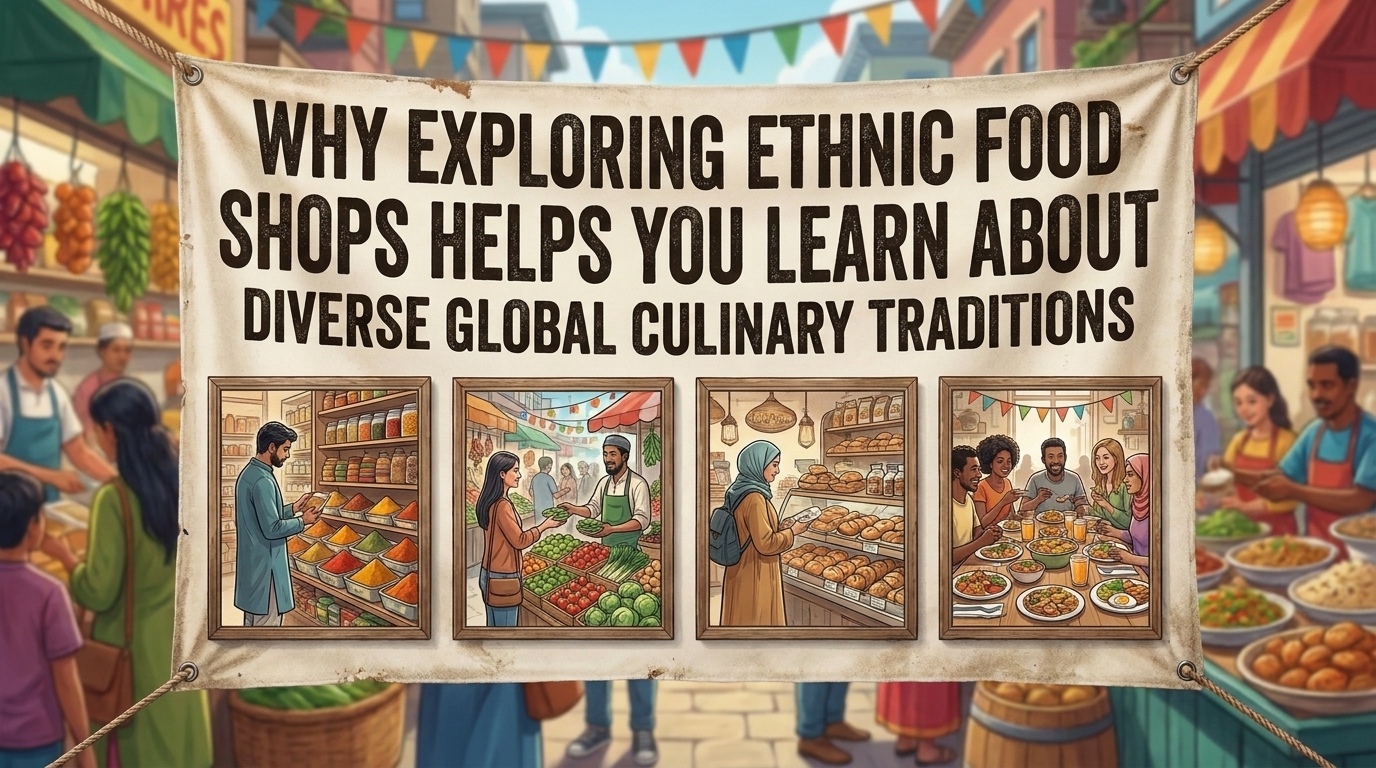
Why Exploring Ethnic Food Shops Helps You Learn About Diverse Global Culinary Traditions
In an increasingly interconnected world, food serves as our most universal and expressive language. While mainstream supermarkets offer convenience, their standardized shelves often mask the rich histories, agricultural landscapes, and cultural philosophies behind what we eat. If you truly want to expand your palate and understand global cultures, step away from the center aisles of mass-market grocers and walk through the doors of independent ethnic food shops.
From the bustling Chinatowns of San Francisco and vibrant pan-Asian hubs in Washington, to the rich Latin and Caribbean markets of Texas, the historic ethnic enclaves of New York, and the diverse multicultural corridors spanning California, neighborhood specialty shops are living cultural museums. Exploring these markets does more than just supply ingredients for dinner—it opens up an immersive masterclass in global anthropology, geography, and culinary tradition.
1. The Grocery Store as a Cultural Classroom
When you enter a specialized ethnic grocery store—whether it is a Oaxacan bodega, a South Asian spice merchant, a West African market, or a Korean hanyup—you are stepping directly into the heart of a community.
- Sensory Immersion: Unlike sterile chain supermarkets, ethnic markets engage all five senses. You are greeted by the aroma-heavy scent of toasted cumin and roasted chili flakes, the visual tapestry of vibrant dried hibiscus flowers, and the sounds of languages and regional dialects you might not hear every day.
- Beyond the Recipe: Shopping here teaches you that food is deeply contextual. A jar of preserved lemons, a block of fermented soybean paste, or a bundle of fresh epazote are not just items on a shopping list; they are foundational pillars of history, climate adaptation, and resourcefulness passed down through generations.
2. Decoding Terroir and Regional Identity Through Ingredients
Every culinary tradition is shaped by geography. By browsing specialized food shops, you begin to understand how terrain, climate, and trade routes dictate what people cook and eat.
- Understanding Spices and Aromatics: Mainstream stores often sell generic curry powders or pre-ground garlic. In contrast, Middle Eastern or South Asian markets introduce you to individual components like whole green cardamom pods, sumac berries, black salt (kala namak), and distinct grades of cinnamon. You learn how regional climates cultivate specific flavor profiles.
- The Geography of Staples: Rice, corn, and wheat are global staples, but their varieties are staggering. An Asian market exposes you to short-grain sticky rice, fragrant jasmine, nutty basmati, and purple forbidden rice, each demanding different cooking techniques and carrying unique cultural significance.
3. Building Bridges: The Human Element of Specialty Shops
One of the most rewarding aspects of exploring ethnic food shops is the human connection. These businesses are frequently family-owned operations run by immigrants and first-generation descendants who hold generational expertise.
- Expert Guidance: If you are unsure what to do with a dried chili pod like a guajillo or how to utilize fresh lemongrass, the shopkeeper or butcher is often your best resource. Unlike corporate retail employees, independent owners love sharing preparation tips, family secrets, and traditional remedies.
- Combating Cultural Isolation Through Food: For many diaspora communities in major U.S. cultural centers like New York and San Francisco, these markets act as vital cultural anchors where community members reconnect with home. As a curious visitor approaching these spaces with respect, you participate in an exchange of mutual appreciation rather than mere consumerism.
4. Economic Value, Freshness, and Superior Quality
Beyond cultural education, shopping at specialty ethnic markets offers distinct practical advantages for home cooks looking to elevate their kitchen game.
- Unmatched Value on Staples: Items like bulk spices, grains, beans, and fresh herbs are frequently sold at a fraction of the cost found in mainstream grocery chains, bypassing heavy corporate markups.
- Peak Freshness and Specialty Produce: Because these stores cater to communities that cook from scratch daily, their inventory turns over rapidly. You will find hyper-local or imported seasonal produce—such as bitter melon, fresh curry leaves, plantains, or specialized squashes—that big-box retailers rarely stock.
5. Tips for Exploring Ethnic Food Shops Respectfully and Confused-Free
Stepping into a market filled with unfamiliar ingredients can feel intimidating at first. Follow these guidelines to make the most of your visit:
- Start with a Curious Mindset: Don’t stress about knowing everything on day one. Pick one unfamiliar section—such as the tea aisle, the dried bean bins, or the sauce shelf—and research one item to try.
- Ask for Recommendations: Politely ask the staff, “What is your favorite brand of this?” or “How does your family usually prepare this vegetable?” Their answers will give you insights no cookbook can match.
- Check Labels Carefully: Imported goods often feature foreign packaging. Look for English translation stickers or use translation smartphone apps to inspect ingredient lists and allergen details.
- Respect the Space: Remember that these shops are functioning community spaces and livelihoods. Be mindful of narrow aisles, respect photography etiquette, and support the business by purchasing a few items.
10 Frequently Asked Questions (FAQs)
1. Why should I shop at ethnic food stores instead of regular supermarkets?
Ethnic food stores offer hyper-authentic ingredients, superior freshness, lower prices on bulk staples like spices and grains, and a direct connection to the cultural traditions behind the food.
2. Is it rude to shop at an ethnic market if I am not from that culture?
Not at all! The vast majority of small-scale shop owners are thrilled to welcome curious food lovers, share their culture, and help customers discover new culinary traditions.
3. How do I know how to cook unfamiliar ingredients found in these shops?
Don’t hesitate to ask the shopkeeper for advice. Additionally, you can look up traditional recipes online or search video platforms using the native name of the ingredient for step-by-step guidance.
4. Are imported items in ethnic grocery stores safe to consume?
Yes. Imported food products must meet federal import and labeling regulations, and specialized grocers take pride in sourcing high-quality, authentic goods directly from trusted international producers.
5. Why are spices so much cheaper at ethnic markets?
Mainstream supermarkets package spices in tiny, branded glass jars with massive retail markups. Ethnic markets typically sell whole or ground spices in larger bags or bulk bins, bypassing corporate branding costs.
6. Do these stores carry fresh produce that regular grocery stores don’t have?
Yes! You can routinely find specialized produce items such as daikon radish, Thai basil, galangal, plantains, nopales (cactus pads), and yard-long beans.
7. What should a beginner buy on their first trip to an Asian supermarket?
Great introductory items include fresh udon or rice noodles, quality soy sauces, various chili oils, and unique seasonal fruits like lychees or dragon fruit.
8. How can exploring these shops improve my everyday cooking?
Shopping at specialty markets forces you to rely on fresh herbs, whole spices, and authentic acids and pastes rather than processed pre-made sauces, drastically elevating the depth of flavor in your home cooking.
9. Do ethnic grocery stores accept standard payment methods?
Most modern specialty markets accept credit cards, debit cards, and smartphone payments, though keeping a small amount of cash handy is always helpful for smaller mom-and-pop stalls.
10. How do these stores support local immigrant communities?
Beyond selling food, these shops serve as community hubs, bulletin boards for local services, social gathering spots, and cultural touchstones that preserve heritage in foreign cities.
Conclusion
Exploring ethnic food shops is much more than a weekly grocery run—it is an active, delicious form of global travel and cultural education. By stepping into independent markets across dynamic regions like California, Texas, New York, Washington, and San Francisco, you honor immigrant histories, support hardworking small business owners, and radically transform your home kitchen. The next time you want to understand the world a little better, skip the corporate aisles and let your local specialty market guide your palate.
What is the most unusual or exciting ingredient you have ever discovered while exploring an independent ethnic food market?