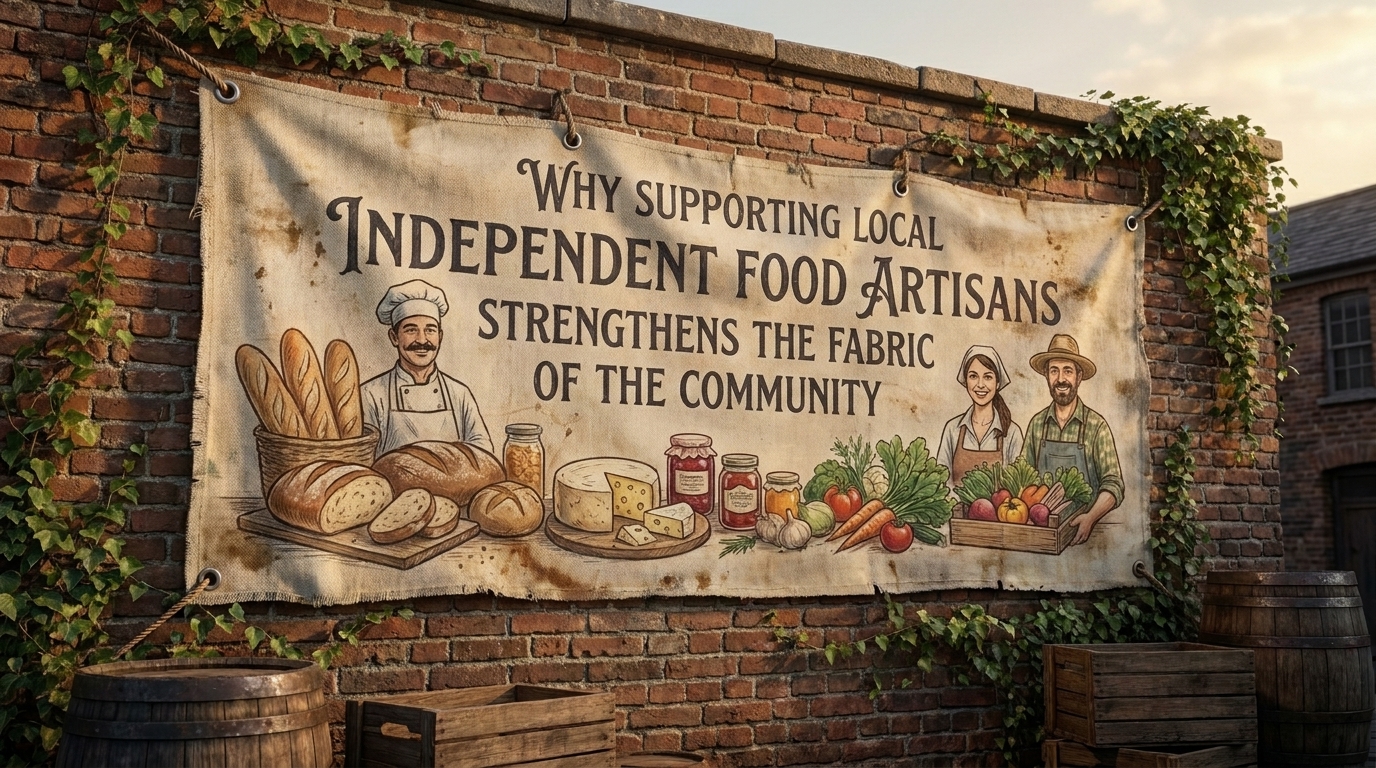
In an era dominated by hyper-efficient global supply chains, massive corporate grocery conglomerates, and uniform food delivery apps, convenience is often prioritized above all else. Yet, beneath the surface of this corporate food grid lies a vibrant, resilient heartbeat: the independent local food artisan. From artisanal bakers waking up at midnight to hand-shape sourdough boules, to small-batch cheesemakers, urban rooftop gardeners, heritage picklers, and micro-roasters, independent food creators do much more than feed us. They sustain the very cultural and economic fabric of our neighborhoods.
Spanning diverse culinary powerhouses and dynamic cultural regions—from the bustling boroughs of New York and the avant-garde food scene of San Francisco, to the sun-kissed agricultural valleys of California, the tech-forward, eco-conscious neighborhoods of Washington, and the booming, culturally rich hubs of Texas—local food artisans represent the soul of regional identity.
This comprehensive, highly informative guide explores why choosing independent food artisans over corporate alternatives is one of the most impactful choices you can make for your local economy, culture, and personal well-being.
1. The Economic Ecosystem: Keeping Money Local
When you purchase a loaf of bread from a local neighborhood bakery or a jar of small-batch preserves from a regional maker at a weekend farmers market, a profound economic ripple effect occurs.
- The Local Multiplier Effect: Studies consistently show that independent local businesses recirculate a significantly higher percentage of every dollar back into the local economy compared to national chain stores. Money spent with a local artisan pays for local wages, nearby graphic designers, regional utility providers, and ingredients sourced from neighboring farms.
- Job Creation and Mentorship: Independent artisans are typically hands-on employers. They train apprentices, foster specialized culinary trade skills, and provide dignified, living-wage employment that honors craftsmanship rather than automated assembly lines.
2. Preserving Cultural Heritage and Biodiversity
Mass-market food production relies heavily on homogenization. To maximize shelf life and standardize flavor across thousands of miles of shipping, major corporations breed uniform crops and mass-produce bland items. Independent artisans act as the custodians of culinary heritage.
- Heirloom Varieties and Native Ingredients: Artisans frequently partner with small-scale regional farmers to utilize heirloom seeds, rare heritage grains, and indigenous ingredients that would otherwise vanish from agriculture.
- Honoring Traditional Techniques: Whether it is slow-fermenting bread over 48 hours, hand-crafting traditional regional tamales, or aging cheese in underground cellars, food artisans preserve invaluable cultural practices passed down through generations. Supporting them ensures that culinary history remains alive, edible, and evolving.
3. Environmental Stewardship and Sustainable Sourcing
Industrial food systems generate massive carbon footprints through long-haul refrigerated transport, excessive plastic packaging, and intensive monoculture farming. Independent artisans inherently operate with a lighter touch on the earth.
- Hyper-Local Supply Chains: Because small-batch makers operate on a community scale, they source their milk, flour, honey, fruits, and meats from nearby farms within their state or bioregion. This drastically reduces transit emissions.
- Zero-Waste and Minimalist Packaging: Artisans are far more likely to utilize compostable paper wraps, reusable glass jars, or bulk refill stations, minimizing the single-use plastic waste that chills modern landfills and oceans.
4. The Human Connection: Knowing Who Feeds You
There is an emotional disconnect when eating a mass-produced item manufactured in an anonymous industrial plant thousands of miles away. Conversely, buying food directly from the person who made it transforms a routine transaction into a meaningful community interaction.
- Transparency and Trust: When you buy from a local cheesemaker or jam artisan, you can ask them exactly what pastures their milk came from or how long their fruit macerated. There are no hidden artificial preservatives, artificial coloring agents, or corporate chemical shortcuts.
- Fostering Civic Pride: Farmers markets, neighborhood maker fairs, and independent food halls serve as modern town squares. They bring people from diverse backgrounds together to converse, share samples, and celebrate local identity.
5. Practical Tips for Incorporating Local Artisans Into Your Daily Life
Supporting local food creators doesn’t require a complete lifestyle overhaul. You can integrate artisan goods into your routine with a few intentional steps:
- Audit Your Weekly Grocery List: Swap one or two staple items—such as your morning bread, your weekly coffee beans, or your cooking oil—for products made by independent regional artisans.
- Visit Farmers Markets Consistently: Make Saturday or Sunday morning farmers markets a weekly ritual. Speak directly with the vendors, learn their stories, and try seasonal items you’ve never cooked with before.
- Seek Out Independent Specialty Grocers: Patronize neighborhood corner bodegas, co-ops, and specialty bottle and pantry shops that intentionally stock shelves with goods from local makers rather than national corporate brands.
10 Frequently Asked Questions (FAQs)
1. Why are artisanal food products generally more expensive than supermarket items?
Artisanal products are made in small batches using high-quality, locally sourced, organic, and unadulterated ingredients. They do not benefit from the massive economies of scale, cheap synthetic additives, or exploitative labor practices used by industrial food giants.
2. How do local food artisans support regional farmers?
By purchasing their ingredients directly from nearby farms, orchards, and dairies, artisans provide these small agricultural producers with stable, reliable income streams that protect local farmland from being sold off to commercial developers.
3. Are independent food products safer and healthier?
Generally, yes. Because small-batch makers rely on fresh, whole ingredients, their products are free from the artificial preservatives, high-fructose corn syrup, stabilizers, and chemical flavor enhancers common in ultra-processed supermarket foods.
4. Where can I find local food artisans in major U.S. cities?
You can find them at certified weekly farmers markets, neighborhood artisan collectives, independent food halls, co-op grocery stores, and through local maker directories curated by regional food publications.
5. How does buying local food reduce carbon emissions?
Sourcing ingredients from nearby farms and selling goods within the local community cuts down drastically on “food miles”—the distance food travels from farm to processing plant to distribution center to your plate.
6. Do local food shops exist in tech and urban hubs like San Francisco and New York?
Absolutely. Cities like San Francisco and New York boast some of the most vibrant urban food maker communities in the world, ranging from rooftop urban farmers to micro-bakery cooperatives and small-batch chocolatiers.
7. What is the difference between “artisanal” marketing and true independent craftsmanship?
Many major corporations use the word “artisanal” as a marketing buzzword for mass-produced items. True independent artisans maintain transparent supply chains, produce in small, limited quantities, and are often present at markets to talk about their craft.
8. How can small businesses survive against massive grocery chains?
They survive through community loyalty, superior product quality, unique flavor profiles that mass-market brands cannot replicate, and personalized customer service that corporate stores cannot offer.
9. What are the best staple items to buy from local food makers?
Bread, coffee beans, honey, hot sauces, jams, artisanal cheeses, pasta, and baked goods are fantastic, high-impact pantry staples to purchase from local independent creators.
10. How can I support local food artisans if I am on a tight budget?
Even on a budget, you can support them by spreading word-of-mouth recommendations, engaging with their social media posts, leaving positive online reviews, or buying one special artisanal item per grocery trip.
Conclusion
Supporting local independent food artisans is much more than a culinary preference—it is an active investment in the health, culture, and resilience of our communities. By keeping money circulating locally, protecting agricultural biodiversity, lowering environmental impact, and forging genuine human connections, independent food creators anchor our neighborhoods against homogenization. Whether you are exploring vibrant food scenes in Texas, California, Washington, New York, or San Francisco, every time you choose an independent artisan over a corporate brand, you help strengthen the fabric of your community.
What is your favorite locally made artisanal food product that you purchase regularly to support makers in your area?


One thought on “Why supporting local independent food artisans strengthens the fabric of the community”