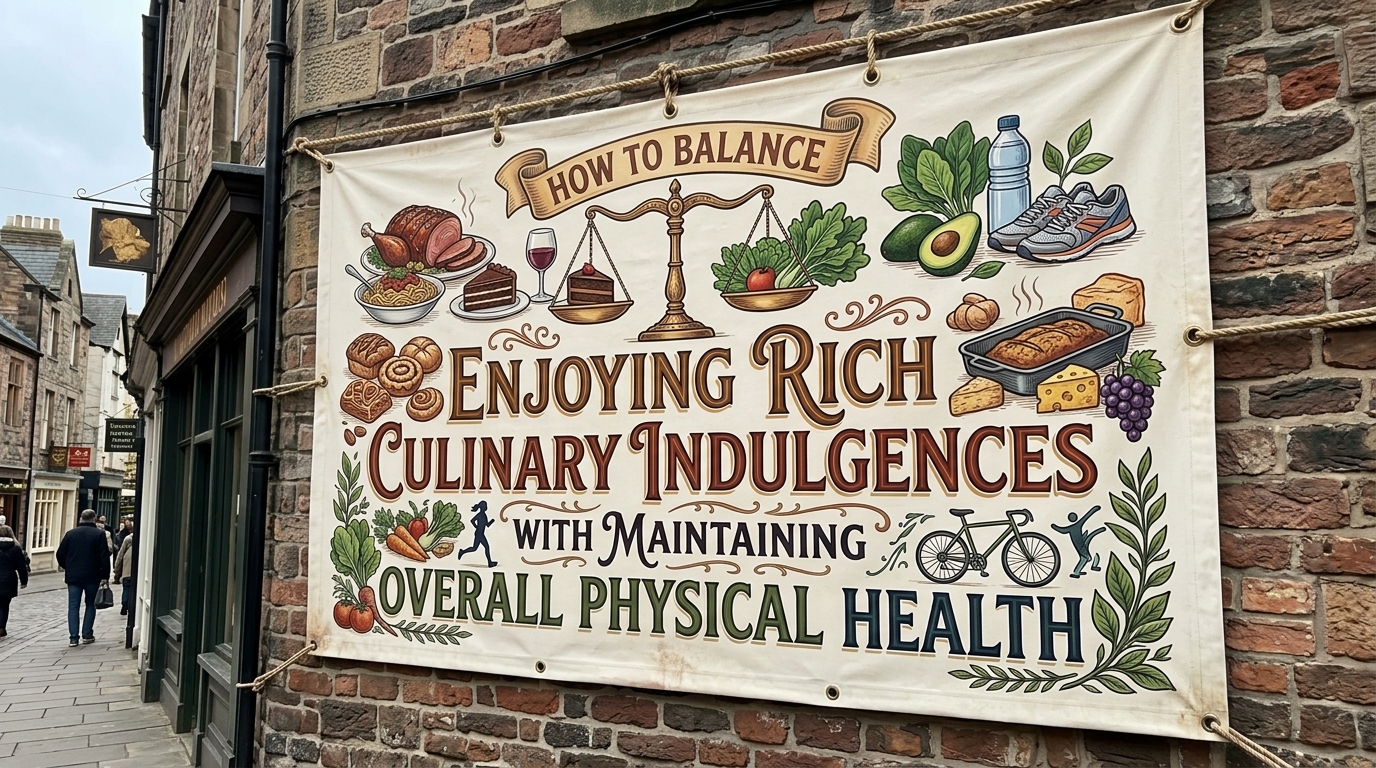
How to balance enjoying rich culinary indulgences with maintaining overall physical health? There is a profound, universal joy found in the shared experience of food. Whether you are savoring a buttery, wood-fired Neapolitan pizza in New York, indulging in a rich, slow-smoked brisket in Texas, sampling artisan farm-to-table cheeses in California, tasting hyper-fresh Pacific seafood in Washington, or exploring the world-class fusion bistros of San Francisco, great food is one of life’s ultimate pleasures.
Yet, for many passionate food lovers, health-conscious individuals, and wellness seekers, a persistent tension exists: How can we deeply enjoy rich culinary indulgences without derailing our long-term physical health, energy levels, and fitness goals?
The traditional diet culture narrative often promotes a rigid, all-or-nothing mindset that labels foods as strictly “good” or “bad.” In reality, sustainable health is not about deprivation or living in nutritional isolation. It is about rhythm, mindfulness, metabolic flexibility, and balance. This comprehensive guide explores actionable strategies, expert tips, and psychological frameworks that allow you to savor the world’s finest culinary creations while thriving in your overall physical well-being.
The Psychology of Indulgence: Reframing Our Relationship with Food
Before diving into nutritional mechanics and practical lifestyle strategies, it is essential to examine the mental framework surrounding food. When society dictates that certain foods are “forbidden,” psychological reactance kicks in. This phenomenon, well-documented in behavioral psychology, causes us to crave forbidden items more intensely, frequently leading to cycles of restriction followed by overconsumption or guilt.
Moving From Guilt to Gratitude
When you sit down to enjoy a rich culinary experience—whether it is a decadent chocolate mousse, a hand-crafted pastry, or a deeply marbled steak—the psychological state in which you consume it matters just as much as its nutritional profile.
- Mindful Presence: Eating slowly, engaging all five senses, and expressing genuine appreciation for the flavors, textures, and cultural craft behind a dish transforms an act of mindless bingeing into a mindful celebration.
- The 80/80 Rule of Balance: Rather than viewing health and indulgence as opposing forces, view them as cooperative partners. If roughly 80% of your weekly nutrition comes from nutrient-dense, whole-food sources (lean proteins, colorful vegetables, healthy fats, and complex carbohydrates), your body easily absorbs and metabolizes the occasional 20% dedicated to rich, soul-nourishing culinary treats.
Nutritional Mechanics: How the Body Processes Rich Foods
Understanding how your physiology handles heavy, high-fat, or high-sugar meals can empower you to make smarter choices without feeling deprived.
1. Blood Glucose Regulation and the “Carb-Fat” Combo
Many of our favorite culinary indulgences combine refined carbohydrates with high amounts of fats and sugars (think pastries, fried foods, and rich desserts). This combination can cause rapid spikes and subsequent crashes in blood glucose and insulin levels, leading to fatigue, brain fog, and increased fat storage.
- The Fiber & Protein Buffer: Eating a small amount of fiber (like a side green salad) or clean protein before diving into a carbohydrate- or fat-heavy dish slows gastric emptying and blunts the sharp glucose spike.
2. Metabolic Flexibility
Metabolic flexibility is your body’s ability to seamlessly switch between burning carbohydrates and burning fats for fuel. A metabolically healthy individual can enjoy a heavy meal on a Saturday night and return effortlessly to their regular energy homeostasis by Sunday morning without experiencing sluggishness or severe cravings.
Practical Tips for Balancing Indulgence and Health
Integrating rich culinary experiences into a healthy lifestyle doesn’t require a masterclass in biochemistry. Instead, apply these simple, highly effective daily strategies:
- Hydrate Intentionally: Water is often confused with hunger or fatigue. Drinking a full glass of water before heading out to a restaurant or food market primes your digestion and prevents dehydration-driven overeating.
- Practice the “Plate Method”: When building your meals at home or ordering at a vibrant regional food market, aim to fill half your plate with vibrant, fiber-rich vegetables, a quarter with quality protein, and leave the remaining quarter for your rich, indulgent favorites.
- Prioritize Movement, Not Punishment: Never view exercise as a form of “punishment” for eating something decadent. Instead, view physical activity—whether it is brisk walking through city streets, strength training, or yoga—as a celebration of what your strong, healthy body can do. Post-meal walks are particularly effective at lowering blood sugar levels naturally.
- Listen to Your Satiety Cues: The French paradox—enjoying rich cheeses, wines, and pastries while maintaining lower rates of obesity—is largely attributed to cultural eating habits: smaller portion sizes, eating slowly, and stopping before feeling uncomfortably full.
- Focus on Sleep Quality: Sleep deprivation drastically increases ghrelin (the hunger hormone) and decreases leptin (the satiety hormone), making your body crave high-fat, high-sugar foods the next day. Protect your sleep hygiene to keep natural cravings in check.
Regional Food Scenes: Indulging Mindfully Across the Map
Every major culinary region offers incredible richness alongside deep wellness traditions. Here is how food lovers in our key regions navigate the balance:
- New York: Known for iconic comfort foods like New York-style pizza, bagels, and artisan cheesecakes. Balance these urban indulgences by utilizing the city’s incredible walkability—exploring neighborhoods on foot easily adds thousands of steps to your daily routine.
- San Francisco & California: The birthplace of modern farm-to-table cuisine. California makes balance effortless by pairing rich artisanal sourdoughs, local wines, and gourmet chocolates with hyper-fresh, antioxidant-rich produce, avocados, and coastal seafood.
- Washington: Rich in wild salmon, fresh berries, and artisanal coffees. Pacific Northwest culinary life encourages outdoor hiking, kayaking, and trail exploration, perfectly balancing hearty local dining with active physical fitness.
- Texas: Famed for slow-smoked brisket, savory tacos, and rich southern comfort food. Texans often balance hearty culinary traditions by engaging in year-round outdoor sports, running clubs, and leveraging the protein-packed benefits of lean meats paired with fresh pico de gallo and grilled vegetables.
10 Frequently Asked Questions (FAQs)
1. Is it possible to enjoy rich foods regularly and still lose weight?
Yes. Weight management is fundamentally governed by overall caloric balance and nutritional quality over time, not a single meal. If your total weekly energy expenditure exceeds your intake, and your nutrient needs are met, occasional rich foods will not prevent weight loss.
2. What is the best way to recover after a particularly heavy or indulgent meal?
Do not try to “starve” yourself the next day, as this triggers erratic blood sugar swings and binge cycles. Instead, return immediately to your normal routine: hydrate well, eat balanced protein- and fiber-rich meals, and engage in gentle movement like walking or stretching.
3. How can I control portion sizes when eating rich restaurant meals?
Restaurant portions are often twice the size of a standard physiological serving. Consider sharing an entree or dessert with a dining companion, or ask your server to box up half of your meal in a takeout container before you start eating.
4. Does drinking alcohol with a heavy meal impact how my body processes food?
Yes. When alcohol is present in the bloodstream, the liver prioritizes metabolizing alcohol over processing fats and carbohydrates, which can temporarily slow down lipid oxidation. Moderation and alternating alcoholic drinks with sparkling water help mitigate this effect.
5. How do I handle social pressure to overeat at food gatherings?
Politely decline extra servings by expressing genuine praise for the food (“That was incredible, but I am completely satisfied!”) rather than focusing on dietary restrictions. Most hosts appreciate the compliment and won’t push further.
6. Are there specific supplements that help digest rich, fatty foods?
Digestive enzymes containing lipase, amylase, and protease can assist individuals who experience occasional bloating or sluggish digestion after consuming heavy, high-fat meals. Always consult a healthcare professional before starting new supplements.
7. How does regular exercise influence our tolerance for rich foods?
Consistent resistance training and cardiovascular exercise improve insulin sensitivity and increase muscle glycogen storage capacity, meaning your body is far more efficient at utilizing carbohydrates and calories from indulgent meals.
8. What are some healthy ingredient swaps for rich comfort foods at home?
You can substitute heavy cream with Greek yogurt or blended cashews in sauces, use mashed avocado or pumpkin puree in baking for moisture instead of excess butter, and utilize nutritional yeast for a cheesy flavor profile without dairy fats.
9. Why do I feel sluggish the day after eating sugary or fried foods?
Processed sugars and deep-fried fats can trigger mild systemic inflammation and disrupt gut microbiome balance, leading to temporary fatigue, brain fog, and sluggish digestion. Hydration and antioxidant-rich foods help restore equilibrium.
10. How can I maintain my health goals while traveling and exploring new food cultures?
Focus on the 80/80 principle while traveling. Walk everywhere possible to explore local sights, sample local culinary specialties in moderate tasting portions rather than massive servings, and stay hydrated throughout your journey.
Conclusion
Life is simply too short to spend it in a state of constant dietary anxiety. Food is culture, history, art, and community. By letting go of restrictive labels, practicing mindful consumption, prioritizing daily movement, and maintaining a solid foundation of whole foods, you can completely dismantle the false dichotomy between eating well and living well. Whether you are tasting your way through the vibrant markets of San Francisco, New York, Texas, Washington, or California, savor every delicious bite with confidence, gratitude, and vibrant physical health.