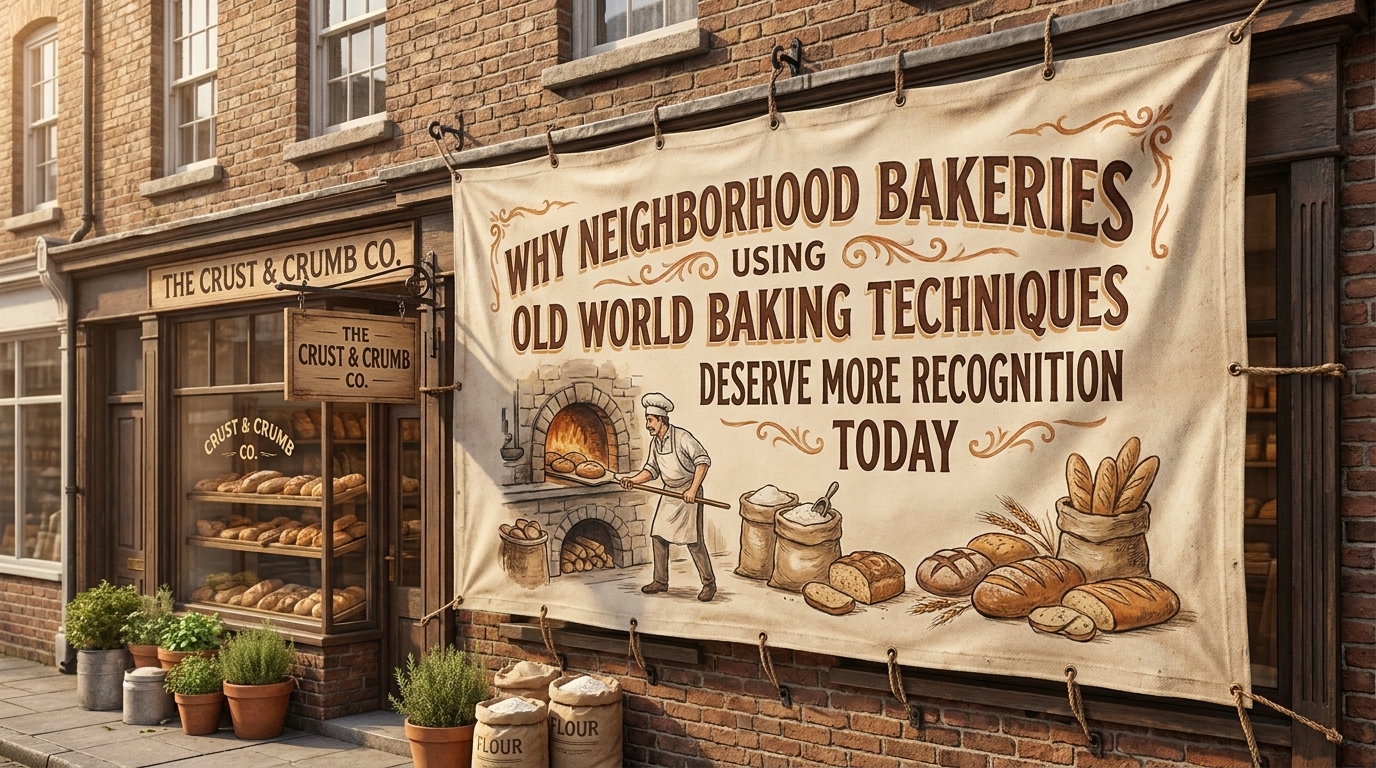
Why Neighborhood Bakeries Using Old-World Baking Techniques Deserve More Recognition Today
In an era dominated by hyper-industrialized food production, standardized supermarket aisles filled with preservative-laden sandwich bread, and massive corporate coffee chains serving pre-baked, frozen-then-thawed pastries, our relationship with daily sustenance has become increasingly detached. We live in a world of maximum efficiency and minimum soul. Yet, tucked away on neighborhood street corners, a quiet, aromatic resistance is thriving: the independent neighborhood bakery utilizing old-world, artisanal baking techniques.
From the historic brownstone-lined corridors of New York and the foggy, bread-loving microclimates of San Francisco, to the sun-soaked agricultural valleys of California, the eco-conscious communities of Washington, and the booming, culturally rich hubs of Texas, neighborhood bakers keeping ancient traditions alive are doing much more than selling morning pastries. They are serving as cultural historians, agricultural stewards, and community anchors.
This comprehensive, highly informative guide explores why these old-world neighborhood bakeries deserve our utmost recognition, support, and celebration today.
1. Defining Old-World Baking Techniques: What Makes Them Different?
To understand why independent neighborhood bakeries are so vital, one must first look at what distinguishes old-world baking from modern commercial manufacturing. Modern industrial baking relies on chemical dough conditioners, synthetic enzymes, commercial dry yeast, and high-speed mechanical mixers designed to transform raw flour into a baked loaf in under two hours.
Old-world baking, conversely, is an exercise in patience, biological alchemy, and historical preservation:
- Natural Wild Fermentation (Sourdough): Instead of relying on commercially isolated yeast strains that force rapid, erratic rising, old-world bakers utilize natural wild yeasts and lactic acid bacteria captured in a living starter (levain). This slow fermentation process breaks down complex starches and gluten proteins, making the bread dramatically easier to digest and imparting a signature complex flavor profile.
- Long Cold Retardation: Traditional doughs undergo prolonged cold-fermentation periods lasting anywhere from 24 to 72 hours. This extended resting time allows enzymes to fully develop the crumb’s open, bubbly structure and caramelize natural sugars during baking.
- Ancient and Heritage Grains: Rather than relying on heavily hybridized, chemically fertilized commercial wheat, traditional bakers source stone-milled heritage grains—such as einkorn, emmer, spelt, and landrace rye—which offer superior nutrition, nutty flavor complexity, and agricultural biodiversity.
2. The Cultural Tapestry: Regional Bread Traditions Across America
Old-world baking is deeply rooted in regional immigration histories and local identities. Across major cultural hubs, neighborhood bakeries reflect the rich heritage of the communities that built them.
- New York: Rooted in Jewish, Italian, and Eastern European immigrant histories, New York neighborhood bakeries have long preserved traditional water-boiled bagels, hand-stretched knishes, babkas, and hearth-baked rye breads that connect modern generations to old-world European roots.
- San Francisco & California: San Francisco is globally legendary for its iconic sourdough, born from the unique coastal fog and wild yeast strains settling into local bakeries during the Gold Rush. Across the wider California landscape, old-world techniques blend with local organic agriculture, producing rustic French-style boules and Italian ciabattas baked in wood-fired ovens.
- Texas: Texas bakeries are increasingly marrying historic Czech and German baking traditions (such as traditional fruit-and-savory kolaches and German rye loaves) with modern southern hospitality, creating a distinct regional baking culture.
- Washington: In the Pacific Northwest, neighborhood bakers combine European sourdough techniques with local ingredients like foraged berries, Pacific sea salt, and Washington-grown organic wheat.
3. Health, Nutrition, and Biological Digestibility
Beyond their superior taste and incredible crust-to-crumb ratio, neighborhood bakeries using old-world techniques offer profound health advantages over mass-market commercial bread.
- The Science of Slow Fermentation: Many people who believe they have a gluten sensitivity or wheat intolerance discover they can easily digest true long-fermented sourdough bread. The wild bacteria and yeast consume and break down complex fructans and gluten proteins during the 24-to-48-hour fermentation cycle, effectively “pre-digesting” the bread before it ever enters your body.
- Lower Glycemic Index: Because slow-fermented sourdough has a lower glycemic index than white commercial bread, it causes a much slower, more stable rise in blood sugar, preventing the energy crashes associated with industrial sandwich bread.
- Zero Artificial Additives: Industrial breads often contain calcium propionate, azodicarbonamide, high-fructose corn syrup, and emulsifiers to extend shelf life. Old-world bakers use just four fundamental ingredients: flour, water, natural salt, and wild yeast. What you see is truly what you get.
4. Economic Resilience and Environmental Stewardship
Supporting neighborhood bakeries using traditional methods is an active investment in a sustainable local economy and planetary health.
- Sourcing from Regional Farmers: Independent bakers frequently partner with local, regenerative grain farmers and regional stone mills rather than buying commodity flour shipped from anonymous international suppliers. This keeps money circulating within the local agricultural ecosystem.
- The Anti-Waste Philosophy: Traditional baking respects raw materials. Leftover day-old bread is rarely thrown away; instead, it is transformed into rustic ribollita soups, crisp croutons, bread puddings, or savory breadcrumbs, embodying a zero-waste ethos.
- Preserving Craftsmanship: Operating a scratch bakery requires intense physical labor, specialized generational knowledge, and artistic mastery. Patronizing these businesses ensures that vital culinary trade skills are passed down to future generations rather than lost to automated factory lines.
5. Practical Tips for Identifying and Supporting Authentic Bakeries
With many commercial chains adopting rustic-sounding marketing buzzwords like “artisanal” or “stone-baked,” how do you find genuinely authentic old-world neighborhood bakeries?
- Inspect the Crumb and Crust: Authentic sourdough bread features an uneven, open crumb structure with irregular air pockets, a caramelized, dark blistered crust, and a distinct, pleasantly tangy aroma rather than a uniform, pillow-soft white interior.
- Ask About the Starter: Don’t hesitate to ask the baker or counter staff about their process. A genuine old-world baker will enthusiastically talk about their living levain starter, fermentation timelines, and flour mill sources.
- Check the Shelf Life: True additive-free artisan bread will naturally firm up after a few days (though it can easily be revived with a splash of water and a hot oven), whereas industrial bread can sit on a counter for three weeks without molding due to chemical preservatives.
10 Frequently Asked Questions (FAQs)
1. What makes old-world baking different from standard grocery store baking?
Old-world baking uses wild yeast fermentation (sourdough), long cold resting periods (up to 72 hours), stone-milled heritage grains, and zero artificial chemical additives, unlike commercial baking which uses fast-acting dry yeast and dough conditioners.
2. Why is sourdough bread easier to digest than regular white bread?
The long fermentation process allows wild bacteria and lactic acid to break down complex carbohydrates and gluten proteins, making the bread much easier on the digestive system.
3. Are old-world baked goods more expensive?
Yes, they generally cost more than industrial supermarket bread. This reflects the high cost of premium organic grains, long-duration labor, small-batch production, and the absence of cheap chemical shortcuts.
4. How can I tell if a bakery is genuinely traditional or just using marketing buzzwords?
Look for transparent sourcing information, crusts with deep caramelization and blistering, uneven artisan crumb structures, and staff who are knowledgeable about their fermentation process and flour origins.
5. What are heritage grains, and why do traditional bakers use them?
Heritage grains are older, unhybridized wheat varieties (like einkorn, spelt, and emmer) that possess superior nutritional profiles, deeper flavor complexity, and greater agricultural resilience than modern commercial wheat.
6. How should I store artisan sourdough bread at home?
Never store artisan bread in a plastic bag, which traps moisture and softens the crust. Instead, store it cut-side down on a wooden cutting board, wrap it in a clean linen kitchen towel, or use a paper bag.
7. Do neighborhood bakeries exist in major cities like New York and San Francisco?
Absolutely! Cities like New York and San Francisco boast some of the most vibrant, historic, and innovative old-world artisan bakeries in the world.
8. Can I freeze old-world artisan bread?
Yes. Slice the loaf completely before freezing, place parchment paper between the slices, and store them in an airtight freezer bag. You can pop frozen slices straight into a toaster for instant freshness.
9. Why is the crust on authentic artisan bread so dark?
The dark, caramelized crust is a hallmark of proper baking. It is the result of natural sugars reacting with heat during the Maillard reaction, locking in moisture and delivering incredible depth of flavor.
10. How can I support local neighborhood bakeries if I am on a tight budget?
Even on a budget, you can support them by spreading word-of-mouth recommendations, leaving glowing online reviews, buying one special loaf per week, or purchasing smaller items like a single morning roll or cookie.
Conclusion
Neighborhood bakeries utilizing old-world baking techniques are far more than mere retail shops—they are cultural custodians, nutritional guardians, and community living rooms. By choosing slow-fermented, stone-milled, hand-crafted bread over industrial, preservative-laden alternatives, we honor historical craftsmanship, protect agricultural biodiversity, and profoundly nourish our bodies. Whether you are exploring historic bakeries in New York, San Francisco, Texas, Washington, or California, supporting these passionate artisans ensures that the ancient, beautiful art of baking remains alive and well for generations to come.
What is your absolute favorite type of artisan bread to pick up on a weekend morning from your local neighborhood bakery?