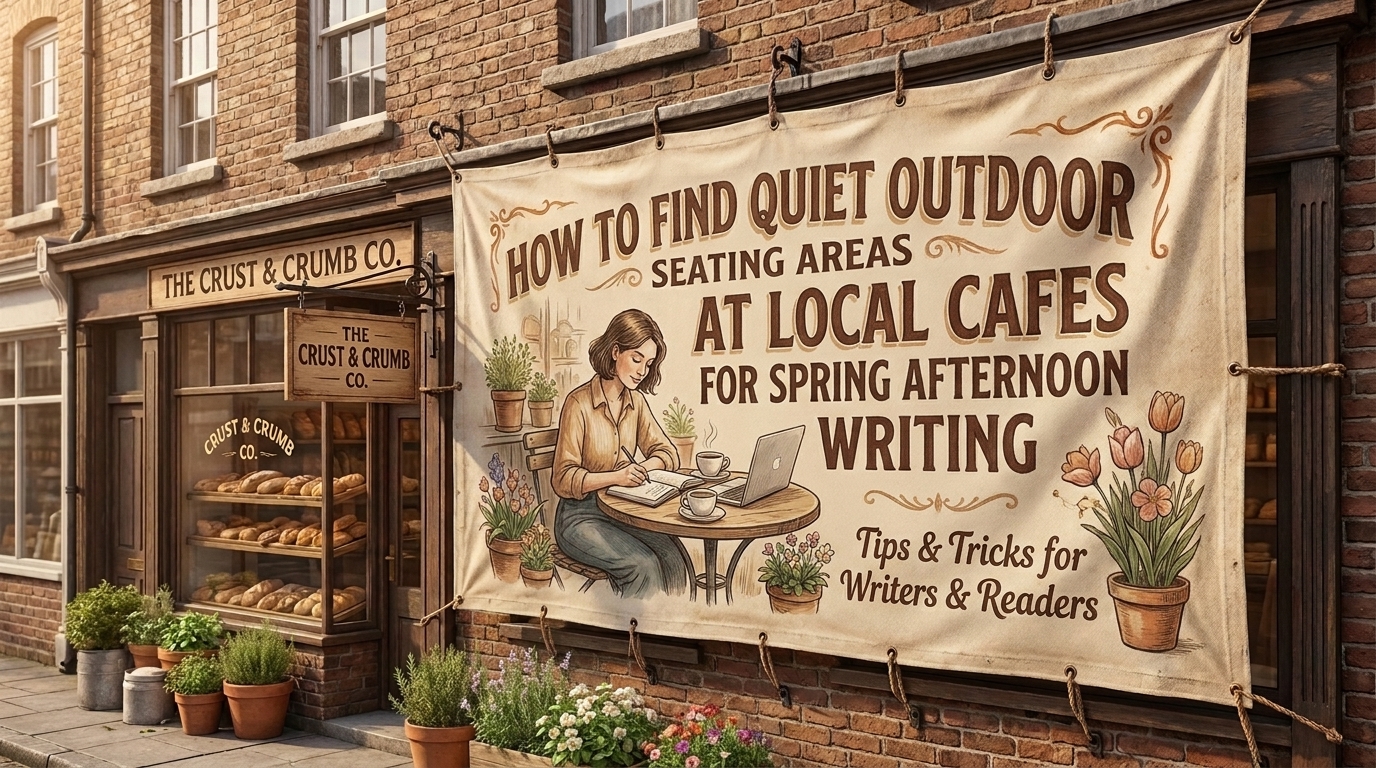
There is a distinct, poetic magic to writing outdoors during a crisp, blossoming spring afternoon. As the harsh chill of winter fades and mild, sun-drenched weather takes over, writers, journaling enthusiasts, and remote creators yearn to step away from closed rooms, stale indoor air, and glowing desk screens. Trading your apartment workspace for a fresh-air cafe patio offers a powerful cognitive reset, combining the comforting aroma of freshly brewed espresso with the gentle inspiration of blooming trees and soft spring breezes.
However, finding a truly quiet outdoor seating area at a local cafe—somewhere you can actually hear your own thoughts, focus deeply, and write without battling roaring traffic or blaring music—can feel like finding a needle in a haystack.
Spanning dynamic cultural regions and urban hubs—from the bustling, brownstone-lined streets of New York and the iconic garden courtyards of San Francisco, to the sun-soaked patio culture of California, the tech-forward, tree-canopied neighborhoods of Washington, and the sprawling, inviting outdoor spaces of Texas—this comprehensive guide reveals the insider secrets to locating, securing, and enjoying peaceful outdoor writing spots during spring.
1. The Anatomy of a Writer-Friendly Outdoor Cafe Space
Not all outdoor cafe seating is created equal. While many establishments boast patios, a high-traffic sidewalk table pressed directly against a multi-lane bus route will shatter your concentration within five minutes. When scouting for a writing sanctuary, look for specific environmental markers:
- Natural Sound Dampening: The ideal writing patio features physical buffers against urban noise. Look for courtyards enclosed by brick walls, back-alley gardens sheltered by ivy, or patios separated from the street by dense rows of potted boxwoods, bamboo, or flowering spring shrubs.
- Ergonomic Outdoor Furniture: Wobbly wire chairs and tiny cocktail tables that tilt every time you type are the enemy of productivity. Look for sturdy wooden or metal tables with enough surface area to comfortably hold your laptop, notebook, pen, and a ceramic mug of coffee without crowding.
- Strategic Sun and Shade Balance: Spring weather can shift quickly from a cool shade breeze to intense midday sun glare that washes out your laptop screen. Look for patios featuring mature shade trees, retractable fabric awnings, or large market umbrellas.
2. Regional Microclimates: Where to Look Across Major Hubs
Finding quiet outdoor spaces requires understanding how local geography and urban design intersect across your specific region:
- New York: Skip the chaotic avenue-facing tables. Look for side-street cafes in Greenwich Village, Brooklyn Heights, or the West Village that feature hidden rear garden courtyards, secret carriage-house patios, or elevated back decks tucked away from subway rumbles.
- San Francisco & California: Take advantage of Mediterranean microclimates. Look for cafes with private rear patios in the Mission, Noe Valley, or coastal California towns where lush succulents, citrus trees, and climbing bougainvillea create a natural, tranquil writing cocoon.
- Texas & Washington: In Texas, look for shaded back porches and sprawling oak-canopied beer and coffee gardens that remain cool and peaceful during mild spring afternoons. In Washington, seek out historic row-house cafes featuring secluded brick patios sheltered by flowering cherry blossom trees or native evergreens.
3. Digital and Analog Sleuthing: Insider Search Strategies
The quietest, most inspiring outdoor writing spots rarely advertise loudly on tourist channels. Use these tactical methods to unearth them:
- Keyword Precision on Mapping Apps: Instead of searching “cafes with outdoor seating,” use advanced search strings like “cafe with secret garden patio,” “courtyard coffee shop quiet,” “back patio cafe seating,” or “hidden courtyard cafe.”
- Scanning Geo-Tagged Photos: Open Instagram or Google Maps reviews for neighborhood cafes and specifically browse user-uploaded photos. Look past the food shots to inspect the background: do you see a brick courtyard, wooden benches, or lush plants tucked behind the main building?
- The Neighborhood Reconnaissance Walk: Dedicate an hour on a Tuesday afternoon to walk through residential-commercial transition zones in your target neighborhood. Check down alleyways, behind historic storefronts, and around corner lots where hidden patios often hide in plain sight.
4. Timing Your Session: When to Claim the Ultimate Writing Spot
Atmosphere is heavily dictated by the clock. A serene garden patio at 2:00 PM can transform into a chaotic social networking hub by 4:30 PM.
- The Post-Lunch Sweet Spot (1:30 PM – 3:30 PM): This is the ultimate golden window for writers. The frantic morning commuter rush has completely cleared out, the lunch crowd has returned to their offices, and the evening social crowd hasn’t arrived yet.
- Mid-Week Advantage: Aim for Tuesday, Wednesday, or Thursday afternoon sessions. Weekends bring brunch crowds, families with strollers, and ambient noise that makes deep writing focus nearly impossible.
5. Etiquette and Best Practices for Writing on Cafe Patios
Because outdoor cafe seating is a high-value commodity for business owners, occupying a table for a multi-hour writing session requires grace, respect, and reciprocity.
- The Golden Rule of Re-Ordering: You cannot occupy a prime outdoor table for three hours on a single four-dollar espresso. Plan to pace your orders: start with a hot coffee or tea, and when that is finished, order a second round—such as an iced herbal tea, a sparkling water, or a fresh pastry—to justify your footprint.
- Bring a Portable Tech Setup: Outdoor tables don’t always have convenient wall outlets. Ensure your laptop and phone are fully charged, bring a portable power bank if necessary, and use a privacy screen filter if working in open public view.
- Mind Your Sound Profile: If you need background music to write, always wear comfortable, noise-isolating headphones rather than playing music out loud from your device.
10 Frequently Asked Questions (FAQs)
1. How do I find outdoor cafe seating that isn’t loud or crowded?
Look for cafes featuring hidden rear courtyards, walled garden patios, or side-street locations rather than storefronts facing major commercial avenues or high-speed traffic corridors.
2. What is the best time of day for an outdoor writing session?
The early afternoon lull—specifically between 1:30 PM and 3:30 PM on a weekday—offers the quietest atmosphere, lowest customer volume, and ideal lighting for a productive writing session.
3. How long is it polite to stay at a cafe table while writing?
Generally, 90 minutes to two hours is considered acceptable, provided you continue to patronize the business by ordering a second beverage or a snack during your stay.
4. How can I protect my laptop screen from glare while writing outdoors in the spring?
Sit under a natural tree canopy, umbrella, or awning, position your screen perpendicular to the sun, or invest in an anti-glare matte screen protector for your laptop.
5. What are the best cities in the U.S. for spring outdoor cafe writing?
San Francisco, California, and Texas offer incredible mild spring weather and abundant patio spaces, while cities like New York and Washington offer charming historic garden courtyards.
6. Do I need to make reservations for outdoor patio seating at local cafes?
No. Independent neighborhood cafes operate strictly on a walk-in, first-come, first-served basis for their outdoor tables. Arriving during off-peak hours is your best strategy to secure a spot.
7. What should I pack in my bag for an outdoor writing session?
Bring your laptop or notebook, pens, fully charged devices, a portable power bank, noise-canceling headphones, a lightweight jacket or layer for sudden temperature drops, and a reusable water bottle.
8. How can I find independent cafes that welcome remote workers and writers?
Look for neighborhood spots with relaxed, community-focused atmospheres, comfortable seating, and policies that accommodate working professionals without strict time-limit signs.
9. What should I do if my favorite outdoor patio table is too windy?
Spring breezes can rustle papers and slam laptop screens. Look for natural windbreaks, such as brick partition walls, dense hedge rows, or indoor-outdoor sunroom alcoves.
10. How can I support local cafes while working remotely?
Always tip your baristas generously, buy a bag of whole bean coffee or a pastry to take home, clean up your table completely before leaving, and write positive reviews praising their wonderful patio space.
Conclusion
Finding quiet outdoor seating areas at local cafes for spring afternoon writing is an art form that blends digital research, geographic awareness, and mindful timing. By stepping away from sterile indoor spaces and immersing yourself in the fresh air, blooming nature, and vibrant street life of New York, San Francisco, Texas, Washington, and California, you can unlock profound creative inspiration. Pack your notebook, find a hidden garden courtyard, and let the beauty of a spring afternoon elevate your writing.
What is your absolute favorite setting or environmental cue that helps you lock into a deep, uninterrupted writing flow?