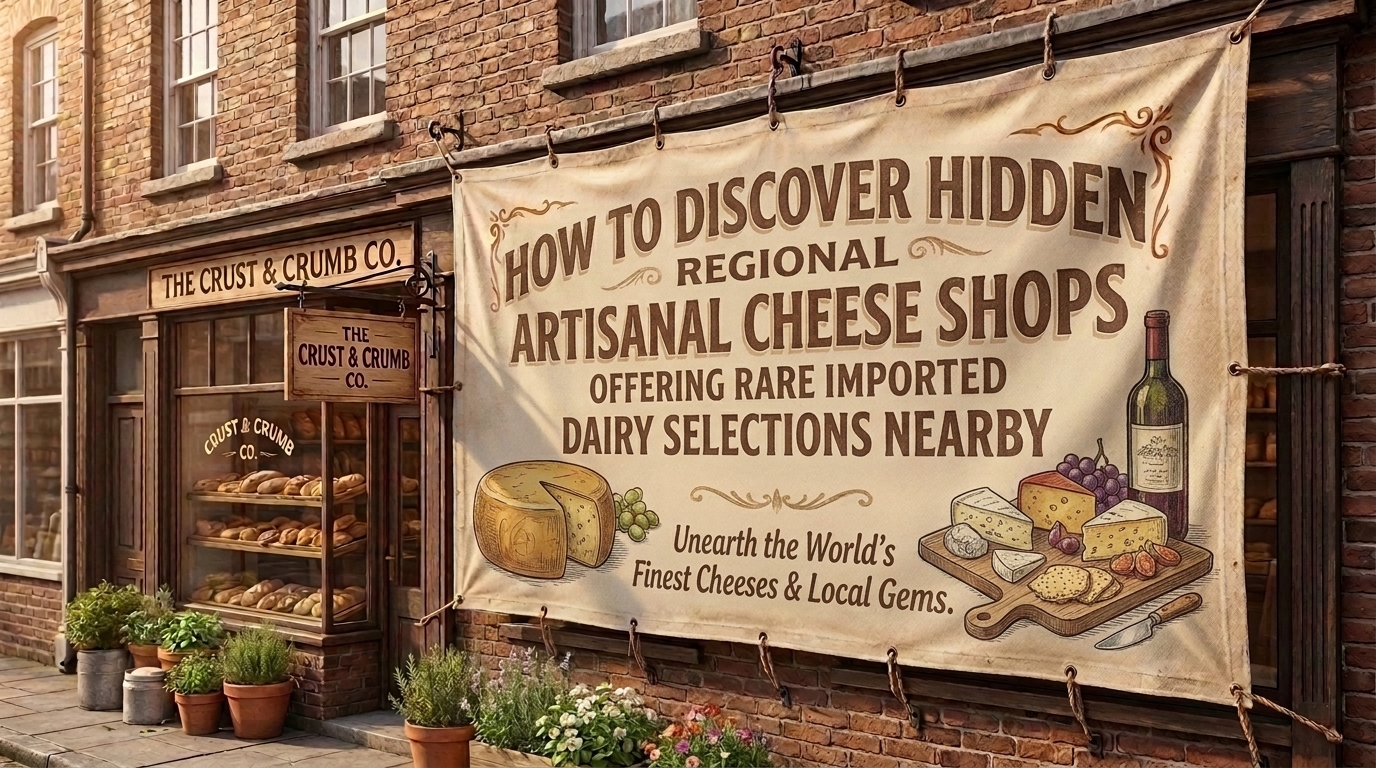
Few culinary experiences rival the complex, transformative pleasure of a truly exceptional artisanal cheese. When milk is transformed through the alchemy of wild cultures, careful aging, regional terroir, and centuries-old cheesemaking traditions, it becomes more than food—it becomes an edible history of the landscape from which it came.
Yet, for many food lovers, cheese exploration is limited to the shrink-wrapped, mass-produced blocks found in standard supermarket dairy aisles. While convenient, these commercial cheeses offer uniform flavor profiles that lack the story, soul, and astonishing diversity of rare, small-batch, and imported artisanal dairy. Hidden across metropolitan areas and regional hubs—from the bustling, historic avenues of New York and the foggy, food-obsessed neighborhoods of San Francisco, to the sun-drenched artisan corridors of California, the sophisticated markets of Washington, and the booming culinary landscape of Texas—independent artisanal cheese shops are waiting to be discovered.
This comprehensive, highly informative guide will teach you everything you need to know to locate, evaluate, and navigate hidden artisanal cheese shops, helping you source rare imported dairy selections right in your backyard.
1. The Anatomy of an Independent Artisanal Cheese Shop
Mass-market grocery stores refrigerate cheese in giant, fluorescent-lit bunkers designed for long shelf life and uniform inventory. In stark contrast, a true independent artisanal cheese shop functions more like a curated fine art gallery or a wine cellar.
- The Environmental Cave (Affinage Rooms): Exceptional cheese shops often feature temperature- and humidity-controlled walk-in glass coolers or dedicated aging caves (affinage rooms). Here, professional affineurs monitor wheels of raw-milk alpine cheese, bloomy goat-milk bries, and funky washed-rind cheeses as they develop their optimal flavor profiles.
- Small-Batch and Unpasteurized Focus: Independent cheesemongers prioritize small-batch producers who use raw (unpasteurized) milk, allowing the native microflora of a specific mountain pasture or valley to shine through in the finished cheese.
2. Regional Hotspots: Where Rare Dairy Hides Across Major Hubs
Finding rare imported dairy selections requires knowing where specialty purveyors cluster within major metropolitan regions:
- New York: From historic Italian import shops in lower Manhattan and specialized cheese boutiques in Brooklyn’s brownstone neighborhoods, New York is a global gateway for rare European cave-aged cheeses, Basque sheep’s milk wheels, and small-batch American artisan production.
- San Francisco & California: The Bay Area and greater California combine world-class local artisan goat and cow dairies with high-end specialty shops that directly import rare French, Swiss, and Italian cheeses, celebrating both local terroir and European tradition.
- Texas: Texas urban centers feature rapidly growing specialty gourmet markets and European-style cheese cellars that curate an incredible selection of imported alpine cheeses, Spanish Manchegos, and emerging domestic Texas goat cheeses.
- Washington: In the Pacific Northwest, specialty cheese shops lean heavily into sustainable local agriculture while stocking hard-to-find British clothbound cheddars and rare French monastic cheeses.
3. Digital and Analog Sleuthing: How to Find Hidden Cheese Shops
Because independent cheese boutiques operate on tight profit margins and rely on passionate local food communities rather than massive advertising budgets, they can easily slip past standard web searches. Use these advanced discovery tactics:
- Hyper-Targeted Search Strings: Instead of searching “cheese store near me,” use precise queries like “independent cheesemonger raw milk,” “artisanal cheese affineur boutique,” or “imported French and Italian cheese shop.”
- Scanning Culinary Distributor Portals: Look at the websites of high-end specialty food importers and distributors (such as Artisanal Cheese, Gourmet Foods International, or Columbia Cheese). Many of these distributors list their retail partners on their websites, revealing hidden neighborhood shops that carry their rare imported dairy wheels.
- Farmers Markets and Artisan Fairs: Many boutique cheesemakers and specialty mongers start as weekend pop-ups at regional farmers markets before opening brick-and-mortar storefronts.
4. The Cheesemonger Relationship: Your Ultimate Culinary Key
In an artisanal cheese shop, the cheesemonger is your single greatest resource. Unlike a grocery store clerk scanning barcodes, a professional cheesemonger is a trained expert who tastes every wheel that enters the shop.
- The Art of the Taste Test: A reputable, high-end cheese shop will almost always offer you a small sliver to taste before you buy. Never hesitate to ask: “May I taste a small piece of this alpine style before committing?”
- Describing Your Flavor Preferences: Instead of asking for a specific name, tell the monger what flavor profile you are craving. Say something like, “I am looking for something nutty and firm like a Comté, but slightly more complex,” or “I want a soft, funky washed-rind cheese that won’t overwhelm a dinner party.”
- Seasonal Sourcing Questions: Ask your monger what is currently at its peak seasonal ripeness. Cheese is a seasonal agricultural product; spring and summer pastures yield entirely different milk and flavor profiles than winter hay-feeding periods.
5. Caring for Rare Imported Cheese at Home
Once you have successfully tracked down rare imported dairy, improper storage can ruin a $40 wheel of raw-milk cheese in 48 hours. Follow these golden rules of home storage:
- Ditch the Plastic Wrap: Plastic wrap suffocates cheese, trapping ammonia and moisture and destroying delicate flavors. Wrap your artisan cheese in specialized porous cheese paper, unbleached parchment paper, or waxed paper.
- The Vegetable Crisper Drawer: Store your wrapped cheese in the coldest part of your refrigerator—typically the bottom vegetable crisper drawer, which maintains higher humidity and stable temperatures.
- The 30-Minute Rule: Never eat cheese straight out of the cold refrigerator. Take your cheese out of the fridge 30 to 45 minutes before serving to let it come to room temperature, allowing the complex fats and aromatic compounds to fully open up.
10 Frequently Asked Questions (FAQs)
1. How do I find hidden artisanal cheese shops in my city?
Search for terms like “independent cheesemonger,” “cave-aged cheese shop,” or “imported dairy boutique,” check specialty food distributor retail lists, and explore upscale neighborhood commercial districts.
2. Why are artisanal imported cheeses more expensive than supermarket cheese?
They reflect high-cost, small-batch agricultural practices, raw-milk sourcing from specific microclimates, international shipping logistics, proper temperature-controlled aging (affinage), and zero industrial shortcuts.
3. What is raw-milk cheese, and is it safe to eat?
Raw-milk cheese is made from milk that has not been pasteurized. Under U.S. FDA law, any raw-milk cheese must be aged for a minimum of 60 days at temperatures not less than 35°F, a natural aging process that eliminates harmful pathogens while preserving complex native microflora.
4. Should I always taste cheese before buying it at a specialty shop?
Yes! A great cheesemonger wants you to love what you buy and will happily offer a small sample of cut wheels to ensure it matches your palate.
5. What is the difference between bloomy-rind and washed-rind cheeses?
Bloomy-rind cheeses (like Brie or Camembert) feature a fluffy, white, edible mold exterior created by Penicillium candidum. Washed-rind cheeses (like Taleggio or Epoisses) are periodically washed in brine, beer, or wine during aging, creating a pungent, sticky orange rind and a rich, creamy interior.
6. How should I store artisan cheese at home to prevent spoiling?
Wrap it in porous cheese paper or parchment paper (never plastic wrap) and store it in the vegetable crisper drawer of your refrigerator.
7. Why should I let cheese come to room temperature before eating?
Cold temperatures dull flavor compounds and stiffen milk fats. Letting cheese sit at room temperature for 30 to 45 minutes releases its full aromatic complexity and creamy texture.
8. Can I find rare imported cheeses in cities like New York and San Francisco?
Yes, New York and San Francisco are premier global epicenters for specialty imported cheese, featuring world-class mongers and dedicated affineurs.
9. What is an affineur?
An affineur is a specialized professional who masters the art of aging, maturing, and caring for cheese wheels in controlled cellars until they reach absolute peak perfection.
10. How can I build a balanced artisanal cheese board for guests?
Aim for variety in milk types (cow, goat, sheep), textures (soft, semi-hard, hard), and flavor profiles (mild bloomy, nutty alpine, sharp blue), accompanied by fresh fruits, nuts, and artisanal crackers.
Conclusion
Discovering hidden artisanal cheese shops offering rare imported dairy selections transforms grocery shopping from a mundane chore into an exciting culinary expedition. By stepping away from commercial supermarket blocks and venturing into specialized neighborhood boutiques across New York, San Francisco, Texas, Washington, and California, you connect directly with centuries of global cheesemaking heritage. Support your local independent mongers, ask for tastes, and savor the extraordinary complexity of world-class artisan cheese.
What is your absolute favorite style of cheese—do you lean toward creamy bloomy bries, nutty aged alpines, or bold, punchy blue cheeses?