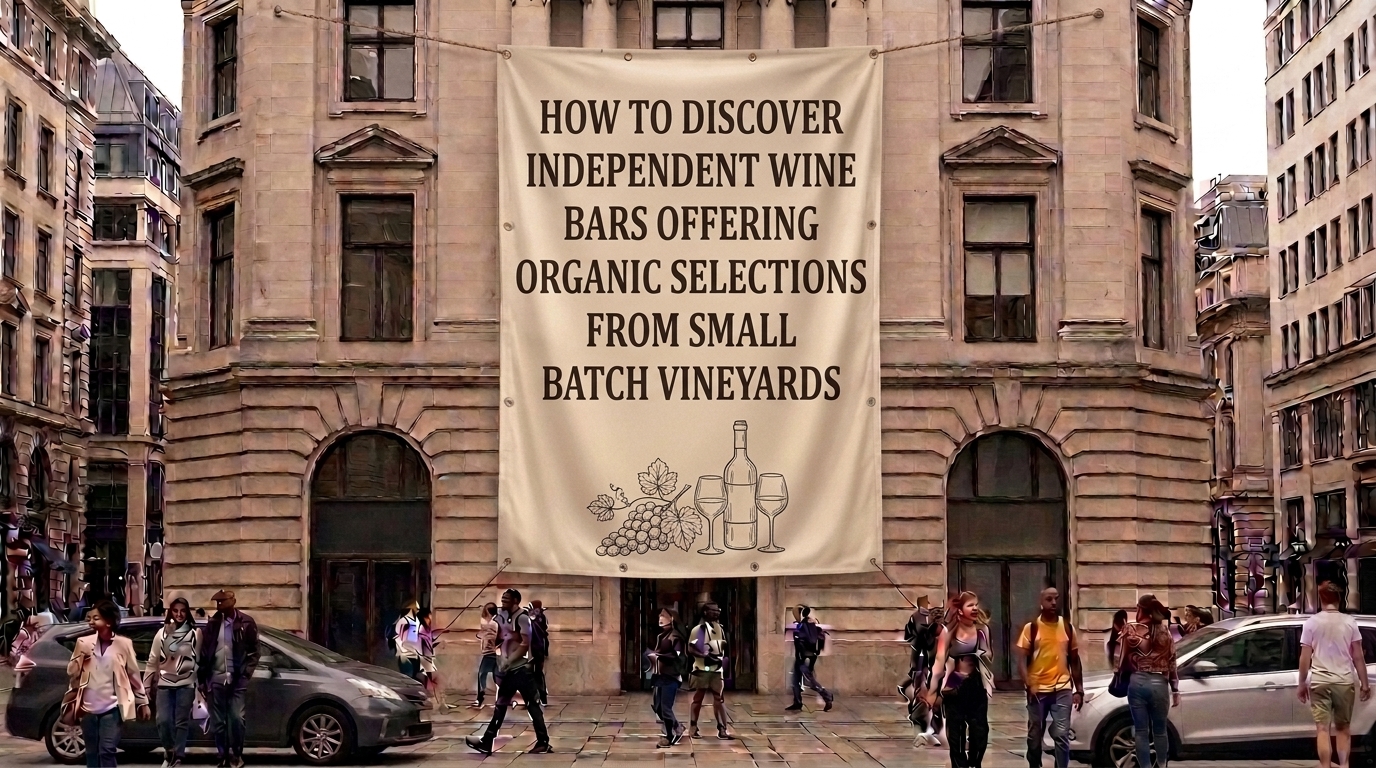
How to Discover Independent Wine Bars Offering Organic Selections from Small Batch Vineyards
There is an undeniable charm to stepping off a busy city street and into an independent wine bar where low-intervention bottles line the walls and knowledgeable sommliers guide you through uncommon terroirs. As urban life grows increasingly fast-paced across major metropolitan regions—from the lively streets of New York City and San Francisco to the expanding cultural hubs of Texas, Washington, and Southern California—discovering these low-key sanctuaries offers a rewarding escape for wine lovers and curious novices alike.
Unlike conventional commercial establishments that stock mass-produced vintages, independent wine bars focus on artisanal liquid craft. They prioritize organic, biodynamic, and low-intervention farming methods from small family-owned vineyards. This ultimate guide breaks down everything you need to know to locate, evaluate, and fully enjoy these independent wine havens, complete with regional spotlights, ordering tips, a 10-question FAQ, and expert tasting strategies.
The Rise of Low-Intervention, Organic & Small-Batch Wines
To appreciate what makes an independent wine bar special, it helps to understand the shift happening in modern viticulture. Consumers are moving away from heavily manipulated, chemically processed wines in favor of clean, transparent expressions of the land.
                   [ CONVENTIONAL vs. NATURAL / ORGANIC VITICULTURE ]
                                           |
         +---------------------------------+---------------------------------+
         |                                                                   |
[ CONVENTIONAL WINE ]                                           [ ORGANIC / SMALL BATCH ]
- Synthetic pesticides & fertilizers                            - Organic / Biodynamic soil farming
- Added commercial yeast strains                                - Native / Wild yeast fermentations
- Heavy filtration & sulfites                                   - Minimal filtering & low/no added sulfites
- Standardized flavor profile year-to-year                       - Expresses unique annual terroir & vintage
Key Terminology to Know Before You Go
When scanning a curated wine list, understanding these core terms will help you choose with confidence:
- Organic Wine: Made from grapes grown without synthetic pesticides, herbicides, or chemical fertilizers.
- Biodynamic Wine: Cultivated using a holistic farming framework that views the vineyard as a self-sustaining ecosystem, following lunar cycles and natural compost preparations.
- Natural / Low-Intervention Wine: Grapes harvested naturally, fermented using indigenous wild yeasts, bottled unfined and unfiltered, with little to no added sulfur.
- Orange / Skin-Contact Wine: White grapes fermented with their skins left intact, imparting an amber/orange color along with noticeable tannins and complex savory notes.
Regional Spotlights: Independent Wine Bars Across Key States
Each region offers its own unique wine bar culture shaped by regional geography, architectural charm, and proximity to local wine regions.
| State / Metro | Distinct Wine Bar Vibe | Neighborhoods to Search | Regional Focus & Specialty Selections |
| New York (NYC) | Intimate, candle-lit, subterranean lounges, European-style bistros | West Village, East Village, Williamsburg, Greenpoint, Brooklyn Heights | Natural European imports (France, Italy, Georgia), skin-contact orange wines, chilled red blends. |
| San Francisco & Bay Area (CA) | Airy, minimalist, wood-paneled spaces, neighborhood gathering spots | Mission District, Hayes Valley, North Beach, Berkeley, Oakland | Central Coast low-intervention bottles, Sonoma natural wines, rare European biodynamic producers. |
| Washington (Seattle) | Warm cedar accents, rain-shielded retreats, cozy neighborhood corners | Capitol Hill, Ballard, Fremont, Pioneer Square | Pacific Northwest minimal-intervention Rieslings, Willamette Pinot Noir, organic Washington Syrahs. |
| Texas (Austin/Dallas/Houston) | Sunlit patios, repurposed historic bungalows, vibrant urban lounges | East Austin, Bishop Arts (Dallas), Montrose (Houston) | Native Texas High Plains natural wines, chilled pet-nats, sustainable Spanish & South American imports. |
| Southern California (LA) | Casual beachside patios, mid-century modern counters, neighborhood nooks | Venice, Silver Lake, Culver City, Arts District | Small-batch California natural wines, ancestral method sparkling wines (Pét-Nat), organic Mexican wines. |
Step-by-Step: How to Find Hidden Organic Wine Bars in Your Area
Discovering the best independent spots requires looking beyond mainstream, paid commercial search results. Follow this simple process to uncover local gems:
1.Use Specialized Viticultural Terminology:Search for specific, low-intervention wine keywords.
Instead of searching for broad terms like “wine lounge near me,” search using terms like “biodynamic wine bar,” “skin-contact orange wine,” “low-intervention wine list,” or “pét-nat by the glass.”
2.Explore Residential & Arts Neighborhoods:Locate independent, chef-driven culinary corridors.
Independent wine bars flourish in residential arts districts and historical corridors where lower overhead allows sommiers to stock niche, small-batch importers.
3.Check for Rotating By-the-Glass Menus:Find venues with frequently rotating glass lists.
Top organic wine bars update their by-the-glass selection weekly or even daily, reflecting limited bottle availability from small micro-vineyards.
4.Engage with the Bar Staff & Sommeliers:Connect directly with local wine professionals.
Share the flavors or styles you enjoy (e.g., “crisp and mineral-forward” or “earthy with light tannins”) and ask for a small tasting pour before committing to a full glass.
Frequently Asked Questions (FAQ)
1. What is the difference between organic wine and natural wine?
Organic wine refers strictly to farming practices (no synthetic chemicals). Natural wine goes further by limiting intervention during winemaking—using wild yeasts, avoiding additives, and skipping heavy filtration.
2. Are organic wines naturally sulfites-free?
Sulfites are a natural byproduct of fermentation, so all wines contain small amounts. However, organic and natural wines add minimal or no additional synthetic sulfites.
3. Why are skin-contact (orange) wines so popular at independent wine bars?
Orange wines bridge the gap between white and red wines—offering the bright acidity of a white wine combined with the textural tannins and complexity of a red wine.
4. How can I tell if a wine bar focuses on small-batch producers?
Look at their glass list. If you see unfamiliar, family-owned vineyard names rather than mass-market supermarket brands, the venue prioritizes artisanal sourcing.
5. Are natural and organic wines more expensive than standard wines?
Because small-batch vineyards harvest by hand without industrial machinery, prices per glass may be slightly higher, but they reflect higher labor standards and sustainable farming.
6. Do organic wines give you fewer hangovers?
While alcohol itself causes hangovers, many drinkers report fewer headaches with organic wines due to the absence of synthetic pesticides, artificial additives, and heavy sulfites.
7. How should I order if I am completely new to natural wines?
Be open with your bartender! Describe flavors you normally enjoy in other drinks (e.g., tart, fruity, earthy, or dry) and ask to sample a couple of options before ordering.
8. What is a “Pét-Nat” (Pétillant Naturel)?
Pét-Nat is a naturally sparkling wine made using an ancient method where the wine finishes fermenting directly inside the bottle, resulting in light, fizzy, and refreshing bubbles.
9. Can I find high-quality organic wines in non-traditional wine states like Texas?
Yes! Independent wine bars in cities like Austin and Houston stock fantastic low-intervention domestic and international wines, alongside emerging sustainable Texas producers.
10. What food pairings work best with organic and natural wines?
Because natural wines often have vibrant natural acidity and lower alcohol content, they pair exceptionally well with artisan cheeses, charcuterie, tinned fish, sourdough bread, and seasonal vegetable small plates.
Conclusion: Savoring the Art of Artisanal Wine
Seeking out independent wine bars that celebrate organic and small-batch viticulture is one of the most satisfying ways to experience a city’s culinary culture. By supporting small-scale producers and passionate local business owners, you not only enjoy unique, terroir-driven flavors, but also actively contribute to a more sustainable, authentic food and beverage ecosystem.