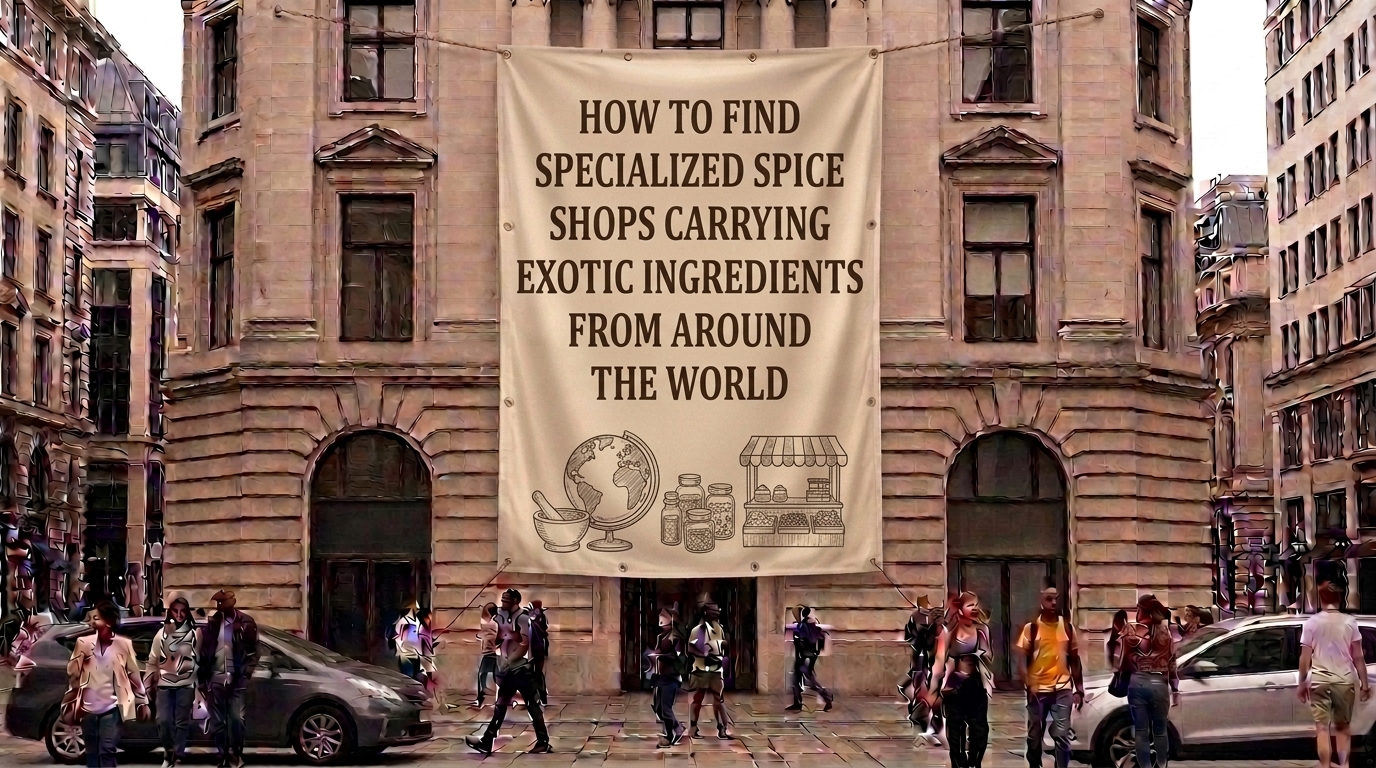
How to Find Specialized Spice Shops Carrying Exotic Ingredients From Around the World
There is a distinct moment when cooking transforms from routine meal preparation into an art form. It happens the instant you uncap a jar of hand-picked wild mountain cumin, crush freshly harvested green cardamom pods between your fingers, or bloom single-origin smoked paprika in hot olive oil. The air fills with an aroma so vibrant it instantly transports you across continents and centuries of trade history.
For passionate home cooks, professional chefs, and curious food lovers, finding specialized spice shops that source directly from global smallholders is the ultimate culinary pursuit. While conventional supermarkets stock mass-market spices that have often sat in warehouses for months—losing their volatile essential oils, bright colors, and potency—independent spice merchants preserve the freshness, terroir, and complex flavor profiles of the world’s most coveted botanicals.
Across major culinary hubs—from the bustling boroughs of New York and the culturally rich districts of San Francisco to the vibrant cross-border markets of Texas, Washington, and Southern California—specialized spice emporiums serve as living archives of global gastronomy. This comprehensive guide walks you through how to locate these hidden shops, evaluate spice freshness, source rare exotic botanicals, and build an extraordinary home spice collection.
The Difference Between Industrial Spices and Artisanal Botanicals
To understand why specialized spice shops are essential, you must look at how spices are farmed, processed, traded, and stored.
                       [ THE SPICE SUPPLY CHAIN MATRIX ]
                                       |
             +-------------------------+-------------------------+
             |                                                   |
   [ MASS-MARKET INDUSTRIAL ]                          [ ARTISANAL SPECIALTY ]
  - Irradiated or chemically treated                 - Natural steam sterilization or untreated
  - Blended from multiple unknown farms              - Single-origin, traceable small batches
  - Stored in warehouses for 12–36 months            - Harvested seasonally and shipped quickly
  - High fillers, anti-caking agents, low oils      - High volatile essential oil content
  - Dull color, muted flavor, dusty aroma           - Vibrant color, intense aroma, complex taste
When you step out of the supermarket aisle and into an independent spice house, you are investing in volatile essential oils—the compounds responsible for flavor, scent, and medicinal properties. Industrial grinding generates high friction heat, evaporating delicate top notes long before the bottle reaches your kitchen shelf. In contrast, specialty merchants source freshly harvested whole botanicals and grind them in small, controlled batches.
Key Exotic Spices Every Culinary Enthusiast Should Seek
When visiting a specialized global spice merchant, look beyond everyday black pepper and ground cinnamon. These prized, rare botanicals unlock authentic regional cooking:
| Exotic Spice | Regional Origin | Flavor Profile & Key Characteristics | Essential Culinary Uses |
| Saffron (Category I) | Iran, Spain (La Mancha), Kashmir | Floral, earthy, subtle metallic sweetness; deep golden hue | Paella, risotto alla Milanese, Persian jeweled rice, bouillabaisse |
| Sumac | Middle East, Mediterranean | Tart, lemony, astringent, deep burgundy color | Fattoush salad, roasted meats, hummus garnish, grilled kabobs |
| Black Lime (Loomi) | Persian Gulf, Oman | Sour, fermented, smoky, deeply savory citrus notes | Slow-cooked Middle Eastern stews, soups, grain dishes, braises |
| Urfa Biber | Urfa, Turkey | Smoky, raisin-like sweetness, mild lingering heat, oily texture | Roasted vegetables, braised meats, chili crisps, chocolate desserts |
| Szechuan Peppercorns | Sichuan, China | Citrusy, floral, inducing a distinctive numb-tingling sensation (málà) | Mapo tofu, Dan Dan noodles, Szechuan salt crusts, aromatic oils |
| Green Cardamom (Whole) | Kerala (India), Guatemala | Menthol, eucalyptus, sweet citrus, highly aromatic essential oils | Indian curries, Chai teas, Scandinavian baking, rice pilafs |
| Wild Mountain Cumin | Hindu Kush (Afghanistan) | Intensely earthy, piney, pungent, smaller seed than cultivated cumin | Slow-braised lamb, chili, curries, roasted root vegetables |
| Long Pepper (Pippali) | Indonesia, India | Pungent black pepper heat combined with sweet notes of nutmeg & cardamom | Game meats, complex curries, pickles, artisan spiced dark chocolate |
Regional Spotlight: Top Spice Markets Across Key States
Major metropolitan regions across the United States house legendary brick-and-mortar spice shops, herbalists, and international neighborhood markets.
+-----------------------------------------------------------------------------------+
|                           SPECIALTY SPICE DESTINATIONS                            |
+-----------------------------------+-----------------------------------------------+
| Region / Metro                    | Standout Spice Emporiums & Market Hubs        |
+-----------------------------------+-----------------------------------------------+
| New York City (NYC)               | - Kalustyan's (Curry Hill / Murray Hill)      |
|                                   | - Burlap & Barrel HQ & Manhattan markets      |
| San Francisco & Bay Area          | - SF Herb Co. & Chinatown herbalists          |
|                                   | - Mission District botanicas & spice shops    |
| Washington (Seattle/Puget Sound)  | - World Spice Merchant (Pike Place Market)    |
|                                   | - Market Magic & International District hubs  |
| Texas (Houston, Austin, Dallas)   | - Asiatown & Middle Eastern bazaars           |
|                                   | - Historic Mexican *hierberías* & spice shops |
| Southern California (LA/SD)       | - Little Ethiopia & Koreatown market shops    |
|                                   | - San Gabriel Valley & Spice Station (LA)     |
+-----------------------------------+-----------------------------------------------+
1. New York City
New York is home to world-renowned spice landmarks. Kalustyan’s in Murray Hill is a legendary multi-story sanctuary carrying thousands of culinary spices, dried herbs, chilies, and rare extracts from over 80 countries. Meanwhile, modern single-origin purveyors like Burlap & Barrel partner directly with smallholder farmers globally to deliver fresh harvests to East Coast kitchens.
2. San Francisco & Bay Area
San Francisco’s historical role as a Pacific Rim shipping port makes it a powerhouse for exotic spices. From historic herbal shops in Chinatown stocking wild ginseng and dried star anise to SF Herb Co. and artisanal spice shops in the Mission District, the Bay Area offers unparalleled access to Asian, Latin American, and Mediterranean botanicals.
3. Washington State (Seattle)
Tucked directly behind Seattle’s historic Pike Place Market, World Spice Merchant has served as a Northwest institution for decades. Their custom-blended rubs, single-origin peppercorns, and freshly ground whole spices are kept in dark glass jars to preserve volatile oils against the Pacific Northwest damp air.
4. Texas Metros (Houston, Austin, Dallas)
Texas boasts incredible global spice access thanks to its massive multicultural communities. Houston’s Asiatown and Middle Eastern bazaars feature entire aisles dedicated to rare sumac, dried limes, and custom garam masalas. Meanwhile, historic Mexican hierberías across San Antonio and Dallas offer rare dried heirloom chilies like mulato, pasilla, and chiltepin.
5. Southern California (Los Angeles & San Diego)
Los Angeles offers specialized spice enclaves embedded in distinct neighborhood communities: Little Ethiopia on Fairfax for fresh berbere and mitmita, the San Gabriel Valley for rare Chinese botanicals, and Sawtelle Japantown for authentic shichimi togarashi ingredients.
Step-by-Step: How to Evaluate and Store Fresh Spices
Finding a specialized shop is step one; maintaining spice potency in your home kitchen is step two. Follow this expert guide to inspect, buy, and preserve your botanical investments:
1.Inspect Visual Color and Texture:Look for vivid, natural pigmentation.
High-quality spices retain rich, bright colors. Paprika should be vibrant crimson, not dull brown; turmeric should be vivid golden-orange; and dried herbs should be rich green, not faded grey.
2.Perform the Aroma and Pinch Test:Inhale deeply for complex volatile aromas.
If the shop allows, lightly rub a small portion of whole seeds between your fingers. Fresh spices instantly release intense essential oils. If a spice smells dusty, faint, or like cardboard, pass on it.
3.Buy Whole Seeds Over Ground Powders:Whole seeds preserve essential oils exponentially longer.
Whole spices (coriander seeds, cumin, peppercorns, cardamom) retain their potency for 2–3 years. Invest in a heavy granite mortar and pestle or a dedicated electric spice grinder, grinding only what you need per meal.
4.Store in Airtight Glass Away from the Stove:Protect delicate botanicals from heat, light, and humidity.
Heat and light accelerate volatile oil evaporation. Store your spices in airtight glass jars inside a cool, dark pantry or cabinet—never directly above your stove or near oven heat vents.
Frequently Asked Questions (FAQ)
1. What makes direct-trade, single-origin spices superior to supermarket spices?
Single-origin spices come from a single farm or cooperative, meaning they are harvested during their optimal season, shipped without intermediate warehousing, and preserve their unique regional terroir and natural oils.
2. How long do whole spices and ground spices typically last?
Whole spices maintain peak potency for 2 to 3 years when stored properly. Ground spices begin losing volatile essential oils within 6 to 12 months.
3. What is the best way to extract the maximum flavor from whole spices?
Dry-toast whole spices in a hot, dry skillet over medium heat for 1 to 2 minutes until fragrant before grinding. Alternatively, bloom whole spices in warm oil or ghee (tadka) at the beginning of cooking.
4. How can I tell if a spice shop is high-quality before buying?
Look for high inventory turnover, spices kept in dark glass jars or sealed opaque bags away from direct sunlight, clear labeling of harvest dates and country of origin, and knowledgeable staff.
5. What are the essential spices needed for authentic Middle Eastern cooking?
Core staples include sumac, ground cumin, green cardamom, za’atar, allspice, dried black limes, and Urfa or Aleppo pepper.
6. Is saffron really worth its high price per gram?
Yes. Real saffron consists of the hand-picked stigmas of the Crocus sativus flower (requiring over 75,000 flowers per pound). A tiny pinch of high-grade saffron provides deep color and unmatched floral-earthy aroma.
7. What is the difference between true Ceylon cinnamon and Saigon cinnamon?
Ceylon cinnamon (“true cinnamon”) comes from Sri Lanka and features a delicate, sweet, complex flavor with thin, papery layers. Saigon (Cassia) cinnamon is darker, stronger, spicy-sweet, and contains higher coumarin levels.
8. Can I buy raw, whole spices and grind them at home with a coffee grinder?
Yes, but keep a dedicated electric blade grinder solely for spices! Wiping it clean with dry rice grains between uses removes lingering spice oils before grinding new botanicals.
9. What are “hierberías” and what specialized ingredients do they carry?
Hierberías are traditional Latin American herbalist shops that carry rare dried chilies, medicinal herbs, copal resin, Mexican cinnamon (canela), dried hibiscus (jamaica), and specialized tea blends.
10. How do I prevent my spices from clumping or spoiling in humid climates?
Keep containers tightly sealed, store them in a cool dark pantry, and NEVER shake an open spice bottle directly over a steaming pot of food, as steam introduces moisture into the jar.
Conclusion: Elevating Your Culinary Journey
Exploring specialized spice shops is one of the most rewarding adventures a food lover can undertake. By stepping away from mass-produced supermarket jars and sourcing fresh, single-origin botanicals from independent merchants, you bring centuries of global flavor, aroma, and human craftsmanship directly into your home kitchen.