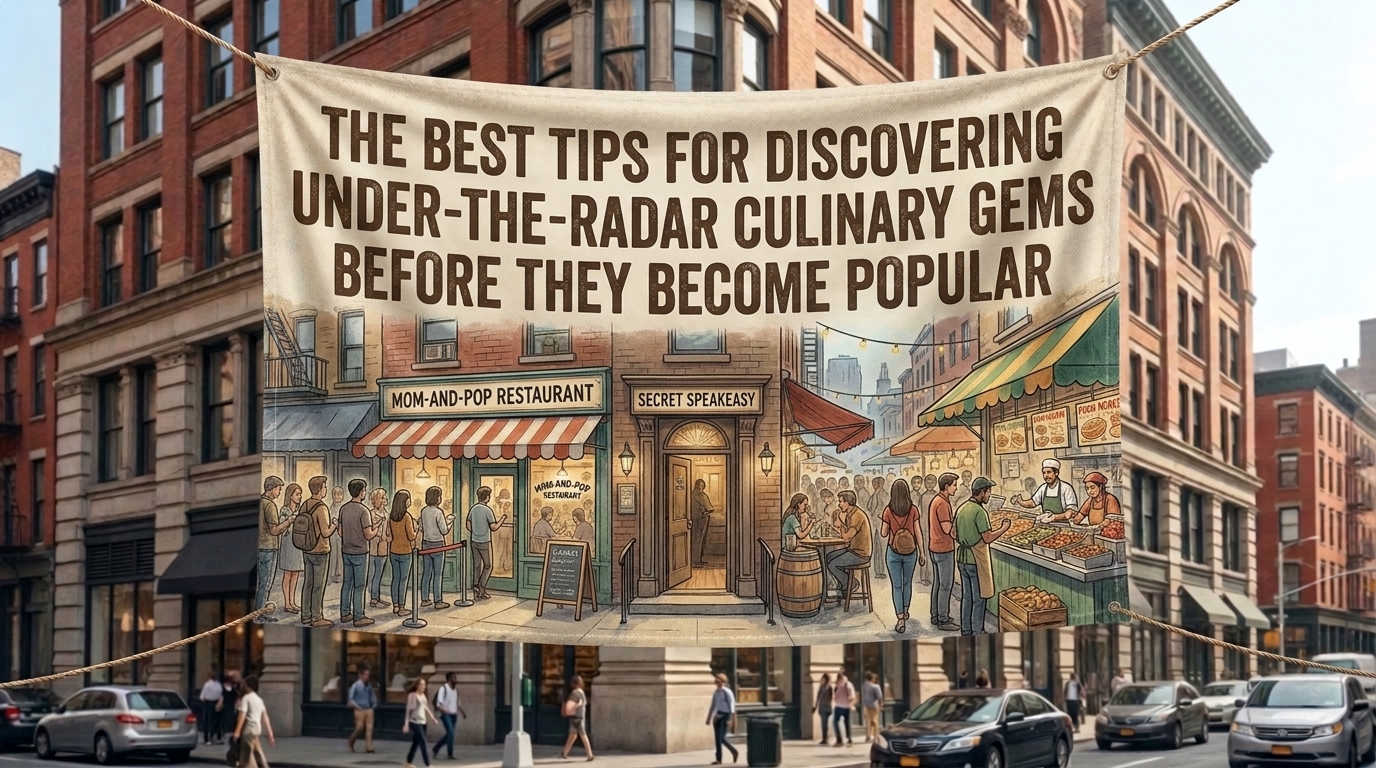
The Best Tips for Discovering Under-the-Radar Culinary Gems Before They Become Popular
There is an unmistakable thrill in stepping into an unassuming neighborhood restaurant, taking a single bite of a brilliantly crafted dish, and realizing you have stumbled upon something extraordinary long before it hits mainstream review sites or viral social media feeds. Uncovering an under-the-radar culinary gem gives you front-row access to a chef’s purest vision—at its most authentic, passionate, and uncompromised stage—before long waitlists, rising prices, and crowded dining rooms set in.
Across major foodie capitals and culinary hubs—from the bustling boroughs of New York City and the tech-driven, ingredient-obsessed districts of San Francisco and California to the coffee-and-seafood sanctuaries of Washington State and the cross-border smokehouses of Texas—the best dining experiences rarely advertise on massive billboards. They hide in plain sight: inside historic food halls, operating out of unmarked strip-mall doors, popping up at weekend night markets, or serving world-class fare over simple counter setups.
Whether you are a seasoned food lover, a curious local explorer, or a traveler looking to dine like an insider, this comprehensive guide provides actionable strategies, insider tips, regional spotlights, and expert advice for finding hidden culinary gems before everyone else catches on.
Why Seeking Out Hidden Culinary Gems Matters
Finding under-the-radar eateries isn’t just about bragging rights among your foodie friends—it directly supports independent food culture, immigrant micro-entrepreneurs, and visionary chefs who invest their hearts into their craft.
                  [ THE LIFE CYCLE OF A CULINARY GEM ]
                                   |
         +-------------------------+-------------------------+
         |                                                   |
[ STAGE 1: HIDDEN / ARTISANAL ]                   [ STAGE 2: VIRAL / MAINSTREAM ]
- Pure chef vision & uncompromised focus          - High demand & multi-hour waitlists
- Accessible pricing & warm personal service      - Increased menu prices & tight seating
- Authentic local & community atmosphere          - Standardized prep & streamlined recipes
- Direct interaction with line cooks & owners     - High staff turnover & fast table rotation
When you patronize a hidden gem early in its life cycle, your dining dollars go straight to small business owners who rely on grass-roots word-of-mouth. In return, you get an intimate dining experience, personal attention from the kitchen, and dishes made with uncompromised care.
The Ultimate Checklist for Spotting Hidden Food Gems
Mastering the art of culinary discovery requires shifting how you evaluate potential dining spots. Look for these key indicators when exploring new neighborhoods:
1. The “Single-Item Specialty” Focus
Be suspicious of massive, multi-page menus that attempt to cook everything for everyone. The best hidden gems usually do one or two things with fanatic precision—whether it’s hand-extruded sourdough pasta, 48-hour slow-simmered tonkotsu broth, or artisanal Oaxacan mole. A focused menu indicates a kitchen that prioritizes quality over commercial volume.
2. High Local Turnover & Industry Diners
Look at who is eating at the counter. If you see off-duty line cooks, local delivery drivers, neighborhood elders, or community regulars dining at off-peak hours (like 2:30 PM or 9:00 PM), you have likely found an authentic, high-quality kitchen.
3. Hyper-Local Sourcing and Scratch Cooking
Pay attention to visual cues around the room. Stacked bags of specialty single-origin flour, crates of fresh seasonal produce straight from local farms, or a visible butcher counter signal a scratch kitchen that values ingredient integrity over pre-packaged shortcuts.
4. Minimalist Decor, Maximalist Flavor
Never judge a restaurant solely by its storefront. Massive investments in flashy interior design or neon signs often come at the expense of kitchen quality. Many of the world’s best meals are served on paper plates inside simple, unpretentious dining rooms where 100% of the focus stays on the plate.
Regional Spotlights: Where Hidden Gems Flourish
Uncovering under-the-radar food spots requires understanding the unique geographical and cultural pockets where culinary talent thrives across key states:
| Region / Metro Area | Prime Hidden Gem Locations | Signature Under-the-Radar Concepts |
| New York City (NY) | Queens strip malls (Jackson Heights, Flushing), outer-borough industrial pockets (Sunset Park, Bushwick). | Immigrant-owned micro-counters, hand-pulled noodle stalls, historic basement bakeries, pop-up dinner clubs. |
| San Francisco & Bay Area (CA) | Mission District side streets, Oakland industrial corridors, San Jose strip malls. | Chef-driven counter spots, artisan sourdough labs, small-batch dim sum kitchens, seasonal farm-to-table pop-ups. |
| Washington (Seattle/Puget Sound) | International District, historic public market basements, suburban strip plazas (Bellevue, Renton). | Waterfront fish shacks, craft ramen counters, Scandinavian micro-bakeries, Hmong produce-driven cafes. |
| Texas (Austin, Houston, Dallas) | Gas station kitchens, roadside trailer parks, suburban strip plazas, ethnic enclaves (Asiatown Houston). | Viet-Cajun seafood stalls, craft smokehouse trailers, heirloom corn taco counters, fusion street food stalls. |
| Southern California (LA/San Diego) | Strip mall sanctuaries (San Gabriel Valley, Koreatown), Baja border pop-ups, industrial park micro-breweries. | Oaxacan mole houses, bluefin tuna hand-roll bars, artisanal soft-serve churners, late-night street stands. |
7 Proven Tips for Finding Under-the-Radar Restaurants
Transform your dining routine with these seven practical, field-tested discovery strategies:
1.Monitor New Commercial Health Permits and Business Licenses:Leverage public business filings and health inspections.
City health department databases and commercial liquor permit registries list new restaurant openings weeks before they officially launch or launch social media campaigns.
2.Ask Farmers Market Vendors Where They Eat on Their Day Off:Engage with local food producers and market vendors.
Farmers, bakers, and specialty food purveyors are deeply connected to local kitchens. Ask them which independent chefs buy their seasonal produce or heritage meats.
3.Filter Review Platforms by ‘Newest’ and Search Foreign Language Terms:Look beyond mainstream review algorithms.
When searching review sites, filter by “Newest” rather than “Highest Rated” to catch brand-new spots. Additionally, search using native dish names in their original scripts (e.g., searching for specific regional noodle names).
4.Visit Historic Food Halls and Night Market Stalls:Explore dynamic culinary incubators and markets.
Emerging culinary talent often starts with low-overhead stalls in neighborhood food halls, night markets, or pop-up events before transitioning into permanent brick-and-mortar restaurants.
5.Track Industry Insiders on Social Media:Follow line cooks and sous chefs online.
Instead of following macro food influencers, follow local line cooks, pastry chefs, and food writers. They frequently post about late-night industry hangouts and off-duty neighborhood favorites.
6.Drive Through Suburban Strip Malls in Diverse Neighborhoods:Pay attention to ethnic enclave strip malls.
Some of the country’s most spectacular culinary gems operate out of non-descript suburban strip malls. Look for packed parking lots outside unassuming storefronts.
7.Wander Culinary Neighborhoods Without a Fixed Reservation:Embrace spontaneity during off-peak hours.
Dedicate an afternoon to walking through culinary districts without a plan. Step into places with enticing aromas, long lines of locals, or open kitchens visible from the street.
Frequently Asked Questions (FAQ)
1. How do I know if a new restaurant is worth trying before it gets reviewed?
Look for a tightly focused menu, transparent sourcing of fresh ingredients, clean and organized kitchen line work, and an owner or chef working directly on the floor or line.
2. Why are suburban strip malls often home to incredible hidden culinary gems?
Lower rent prices in suburban strip malls allow independent chefs and immigrant families to focus their budget entirely on quality ingredients and authentic recipes without the pressure of high urban real estate overhead.
3. What is the difference between a ‘tourist trap’ and an authentic neighborhood gem?
Tourist traps rely on flashy advertising, prime high-foot-traffic locations, massive generic menus, and inflated prices. Authentic gems focus on small seasonal menus, modest decor, high local customer turnover, and reasonable pricing.
4. How can I politely ask local food vendors for restaurant recommendations?
Be genuinely curious and specific! Instead of asking “Where is the best food?”, ask “Where do you like to eat authentic regional dishes on your day off?” or “Which local chef buys your produce?”
5. Are pop-up dining events good places to discover future star chefs?
Yes! Pop-up kitchens allow talented chefs to test innovative menu concepts, hone their skills, and build a loyal following before opening permanent brick-and-mortar locations.
6. How do I keep track of hidden gems I want to visit in different cities?
Use custom digital map pins (like Google Maps custom lists), tag locations by neighborhood and cuisine, and note specific dishes you want to try when you visit.
7. Is it better to visit hidden gems during peak or off-peak hours?
Off-peak hours (such as 2:00 PM – 4:30 PM or early dinner) are ideal. You avoid long queues, receive more attentive service, and may even have an opportunity to chat with the kitchen staff.
8. Why do some of the best hidden gems have simple or plain interior decor?
Independent chefs and culinary micro-entrepreneurs often allocate their limited startup capital entirely to commercial kitchen gear and fresh ingredients rather than costly interior design.
9. How can I support under-the-radar restaurants after discovering them?
Leave thoughtful, detailed positive reviews on local platforms, share geotagged photos on social media, tell your friends, and become a regular customer who tips generously.
10. What role do regional food blogs and independent community papers play in culinary discovery?
Hyper-local independent food journalists and neighborhood blogs often cover grassroots openings months before national media outlets or major review sites notice them.
Conclusion: The Reward of Curiosity and Exploration
The world of food is infinitely richer when you step off the well-trodden path of viral hype and corporate chains. By cultivating curiosity, paying attention to local neighborhood details, and seeking out independent kitchens across Texas, New York, California, Washington, and San Francisco, you unlock a realm of uncompromised flavor, authentic culture, and unforgettable culinary memories. The next great meal is waiting—go find it.