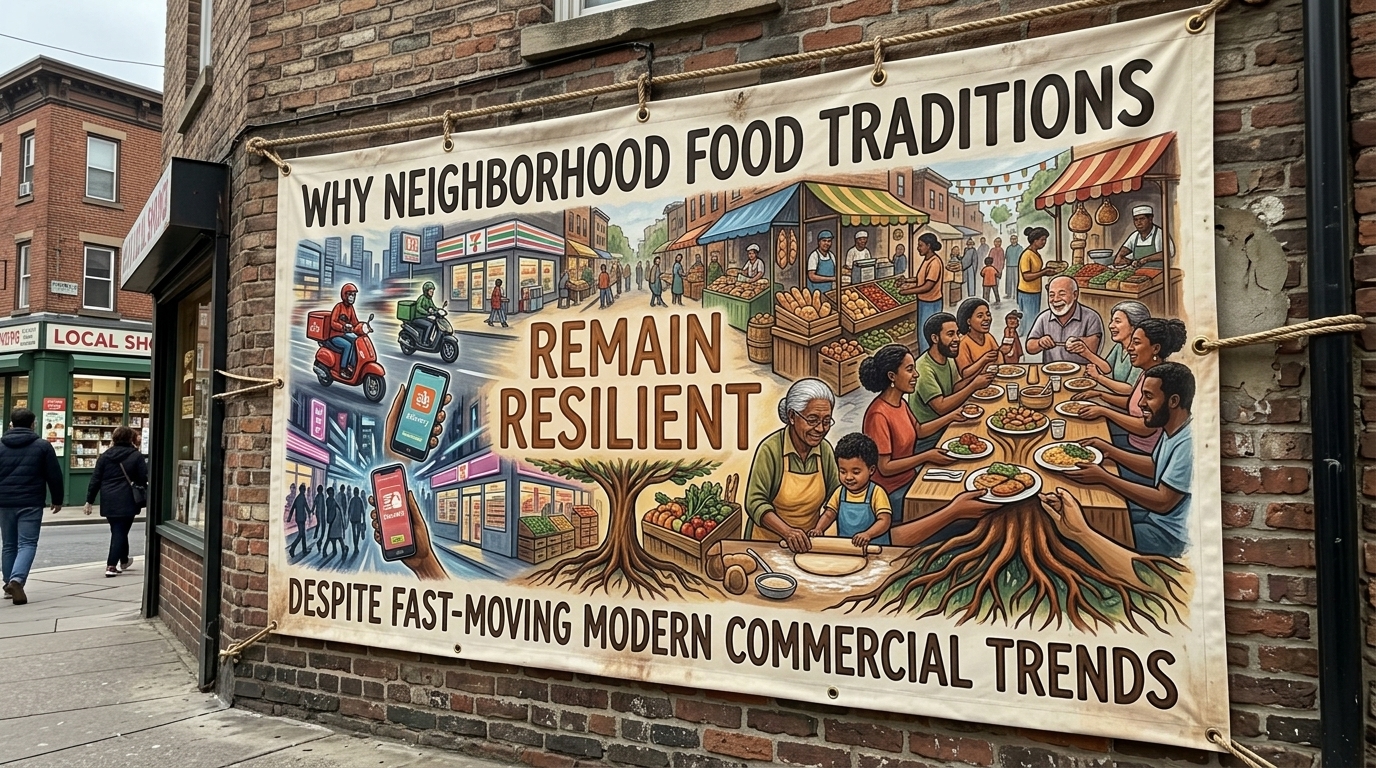
Why neighborhood food traditions remain resilient despite fast moving modern commercial trends? In an era defined by lightning-fast delivery apps, algorithmic ghost kitchens, automated drive-thrus, and homogeneous global franchise chains, one might expect traditional neighborhood food culture to quietly fade into obscurity. Modern commercial trends promise ultimate convenience, standardized efficiency, and endless novelty. Yet, across the cultural landscapes of the United States—from the bustling, historic tenement blocks of New York and the foggy, artisanal corridors of San Francisco, to the sun-soaked immigrant enclaves of California, the seafood-rich dockside communities of Washington, and the deeply proud, soulful culinary outposts of Texas—neighborhood food traditions are not merely surviving. They are thriving, evolving, and proving remarkably resilient.
Why do we continue to seek out corner bakeries, multigenerational family-run taquerias, neighborhood butcher shops, and seasonal weekend farmers’ markets when a robot-delivered meal is just a screen tap away? The answer lies deep within human psychology, cultural identity, and our primal craving for authentic connection. This comprehensive guide explores the powerful sociological and economic forces that keep neighborhood food traditions fiercely alive in the face of relentless modernization.
The Anatomy of a Neighborhood Food Tradition
To understand why local food traditions endure, we must first define what makes them distinct from corporate commercial dining. A neighborhood food tradition is built on a foundation of place, people, and generational continuity.
1. The Human Element: Recipes Tied to Lineage and Migration
Corporate chains rely on strict standard operating procedures and centralized food-service distribution centers to ensure that a burger or pastry tastes identical whether purchased in Manhattan or Seattle. In stark contrast, neighborhood traditions are powered by human memory, oral histories, and migration patterns.
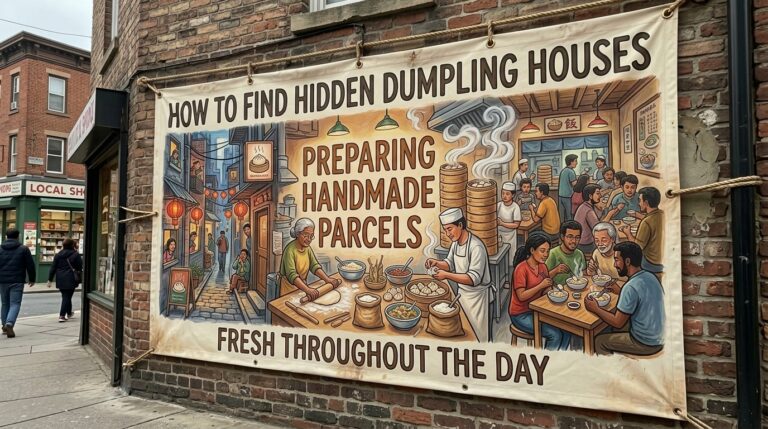
- When a family opens a neighborhood bakery or dumpling house, they are baking decades of heritage, resilience, and personal history into every batch.
- The slight imperfections—the handmade edge of a pierogi, the distinct char of a wood-fired slice, the secret spice blend handed down through three generations—are precisely what corporate efficiency cannot replicate.
2. The Architecture of the Third Place
Sociologist Ray Oldenburg coined the term “The Third Place” to describe social surroundings separate from the two usual environments of home (“first place”) and the workplace (“second place”). Neighborhood food hubs—be it a local diner in Texas, a neighborhood espresso counter in San Francisco, or a corner bodega in New York—serve as the literal beating heart of community life. They are places where neighbors run into each other, local news is exchanged, and children grow up watching the same counter staff week after week.
Why Modern Commercial Trends Fail to Replace Local Food Culture
While delivery apps and automated mega-chains excel at transactional convenience, they fundamentally lack emotional resonance. Here is why modern commercial trends hit a wall when competing with resilient neighborhood traditions:
- The Loss of Serendipity and Sensory Engagement: Ordering food via an app removes the sensory prelude—the smell of roasting garlic drifting onto the sidewalk, the sound of flour dusting a wooden counter, or the warm banter with a vendor who knows your regular order.
- Algorithmic Fatigue: Recommendation engines push trending, hyper-marketed foods designed for viral photography rather than genuine nourishment and flavor depth. Consumers are increasingly experiencing “algorithm fatigue,” turning back to trusted local staples with genuine character.
- Economic Recirculation: When you spend money at a neighborhood-owned culinary establishment, a significantly higher percentage of that dollar stays within the local community, supporting local suppliers, families, and neighborhood character rather than distant corporate shareholders.
Regional Resilience: How Local Food Traditions Adapt Across the Map
Different American regions demonstrate unique ways their neighborhood culinary traditions stand firm against commercialization:
- New York: Neighborhood delis, bakeries, and historic pizzerias survive because they are woven into the identity of specific blocks. New Yorkers are fiercely loyal to their local spots, viewing their corner grocer or bagel maker as essential civic infrastructure.
- San Francisco & California: The intersection of immigrant culinary traditions and the farm-to-table movement has created hyper-resilient neighborhood pockets. From Mission District taquerias to historic sourdough bakeries, communities rally behind small businesses that champion local agriculture and cultural authenticity.
- Washington: Pacific Northwest neighborhoods maintain tight-knit bonds through farmers’ markets, seasonal salmon smokehouses, and independent coffee Roasters that double as community civic spaces, resisting big-box encroachment through sheer quality and local pride.
- Texas: Texans possess an unyielding sense of regional pride. Neighborhood smokehouses, family-run tex-mex institutions, and roadside barbecue joints are treated as cultural monuments. Corporate chains cannot replicate the decades-old seasoning pits and community trust built over generations.
Strategies for Supporting and Preserving Neighborhood Food Traditions
The resilience of local food culture ultimately depends on conscious consumer choices. Here is how you can actively protect and celebrate neighborhood culinary traditions in your own backyard:
- Become a “Regular”: Familiarity builds community. Visiting the same bakery, coffee shop, or market stall weekly fosters personal relationships with the owners and staff.
- Look Beyond the Algorithm: Actively explore side streets away from major commercial hubs. Some of the most authentic culinary traditions hide in plain sight just a few blocks off main thoroughfares.
- Spread Word-of-Mouth Support: In the age of digital reviews, word-of-mouth recommendations and social media shoutouts for independent, multigenerational food spots carry immense weight for small business survival.
- Engage with Seasonal and Local Markets: Attend neighborhood night markets, street fairs, and farmers’ markets to support independent makers who keep regional craft alive.
10 Frequently Asked Questions (FAQs)
1. What defines a neighborhood food tradition?
A neighborhood food tradition refers to local, independent culinary practices, recipes, and establishments that have deep roots in a specific geographic community, often passed down through generations or cultural migration, serving as a social anchor for residents.
2. Why are consumers shifting away from mass-market fast food toward local traditions?
Consumers are increasingly seeking authenticity, emotional connection, transparency in sourcing, and unique flavors that reflect real human craftsmanship rather than mass-produced, standardized corporate formulas.
3. How do neighborhood food spots survive high commercial rent increases?
Many survive through fierce community loyalty, diversified offerings (like combining retail ingredients with prepared foods), catering services, and active neighborhood advocacy groups that support small business preservation.
4. What role do immigrant communities play in sustaining local food traditions?
Immigrant communities are the backbone of modern neighborhood food culture, introducing authentic regional recipes, specialized spice markets, family-run eateries, and cultural heritage that enrich the broader culinary landscape.
5. Are delivery apps helping or hurting neighborhood food establishments?
It is a double-edged sword. While delivery apps expand reach, high commission fees can squeeze the profit margins of small independent kitchens, prompting many to encourage direct pickup or dine-in experiences.
6. How can young entrepreneurs blend modern business tools with traditional food values?
Young culinary artisans often use modern social media marketing and efficient digital point-of-sale systems while keeping their ingredient sourcing, heritage recipes, and neighborhood engagement strictly traditional.
7. What is the economic impact of supporting local neighborhood eateries?
Studies consistently show that independent local businesses circulate a significantly larger share of revenue back into the local economy compared to national corporate chains, supporting local jobs and suppliers.
8. Why do people feel such strong emotional attachments to corner shops and local diners?
These spaces witness life milestones, offer consistent comfort during stressful times, and provide a sense of belonging and territorial identity that transient digital spaces cannot fulfill.
9. How do farmers’ markets contribute to the resilience of food traditions?
Farmers’ markets connect consumers directly with regional growers and artisanal producers, keeping heirloom crop varieties, traditional cheese-making, and regional baking techniques alive.
10. Can neighborhood food traditions thrive in major metropolitan cities like New York and San Francisco?
Absolutely. Despite high turnover and rapid gentrification, iconic culinary enclaves and resilient neighborhoods in major metros constantly reinvent themselves while honoring their historical roots.
Conclusion
In a world that often feels increasingly standardized, digital, and detached, neighborhood food traditions offer a vital anchor to our humanity. They remind us where we come from, connect us across cultures, and turn the simple act of eating into a shared communal ritual. Whether you are grabbing a pastry from a historic New York bakery, savoring tacos in a vibrant California neighborhood, or sharing a table at a Texas smokehouse, supporting these local culinary bastions ensures that flavor, history, and community will always prevail over fast-moving commercial trends.