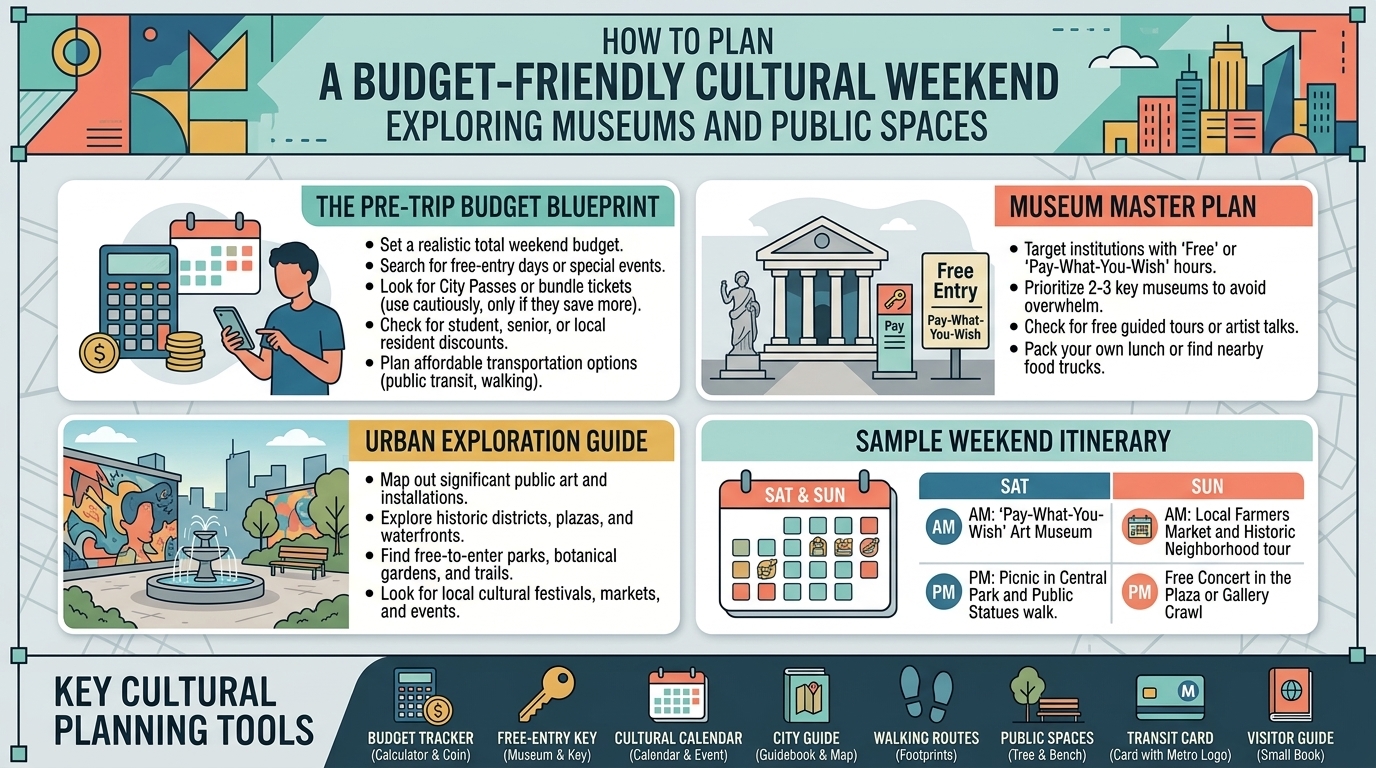
Welcome to nyattitude.com, your ultimate digital companion for smart urban exploration, cultural immersion, and experiencing world-class metropolitan destinations without emptying your wallet. Whether you are planning an enriching weekend across the vibrant boroughs of New York City, uncovering hidden arts districts in San Francisco, exploring the thriving public spaces of Washington state, navigating the rich heritage of California, or soaking in the dynamic cultural energy of Texas, a deeply satisfying cultural getaway does not require a luxury budget.
Too often, travelers assume that immersing themselves in high culture—visiting renowned museums, attending architectural walking tours, exploring sculpture parks, and dining near cultural hubs—is an expensive endeavor. In reality, some of the most profound cultural experiences in the world are entirely free or remarkably low-cost. Major metropolitan areas invest heavily in public art, civic parks, and community museums specifically designed to be accessible to everyone.
In this comprehensive, SEO-optimized guide, we will break down how to design a meticulously planned, budget-friendly cultural weekend, uncover free admission loopholes, master public transit, and curate an itinerary that satisfies your curiosity while keeping your bank account secure.
The Philosophy of Budget Cultural Travel
Experiencing a city’s culture is about active observation and engagement, not how much money you spend at gift shops or private venues.
- Public Culture vs. Commercial Tourism: Private entertainment venues inflate prices, but public assets—municipal museums, historic plazas, street art corridors, public libraries, and botanical gardens—are subsidized for public enrichment.
- The Slow Travel Mindset: Rushing through three expensive ticketed attractions a day leaves you exhausted and broke. Slowing down to explore a single neighborhood’s public square, local historical archive, and outdoor sculpture garden yields a richer, more authentic connection to the city’s soul.
Regional Cultural Hotspots: What to Expect Across Major Metros
Every region offers distinct cultural frameworks shaped by local civic investments and community history:
- New York: Home to world-class institutions like the Metropolitan Museum of Art (with suggested pay-what-you-wish admission for NY residents) alongside legendary public spaces like Central Park, the High Line, and public art installations across all five boroughs.
- San Francisco: A legendary nexus of public murals (found extensively in the Mission District), historic cable car culture, free-admission days at world-renowned institutions like the de Young or SFMOMA, and sweeping public plazas along the Embarcadero.
- Washington State: Blending indigenous public art, stunning waterfront sculpture parks in Seattle, and regional history museums that frequently offer free community days and open-air cultural plazas.
- Texas & California: Expansive public sculpture gardens, thriving downtown arts districts with free gallery nights, and historic civic squares that host year-round cultural festivals, live music, and open-air architectural showcases.
Step-by-Step Guide: How to Engineer Your Budget Cultural Weekend
Planning is the secret weapon of budget travel. Winging a trip to a major cultural center often leads to inflated last-minute ticket prices and costly transportation mistakes. Follow this multi-step planning framework:
      [ Step 1: Digital Research ]     -->  Map Free Museum Days & Public Spaces
                   ↓
      [ Step 2: Transit Optimization ] -->  Secure Transit Passes & Walkable Itineraries
                   ↓
      [ Step 3: Strategic Dining ]     -->  Target Neighborhood Markets & Food Culture
Step 1: Research Free Admission Days and Community Passes
- The Museum Schedule Hack: Almost every major museum in the country offers designated free admission days (e.g., the first Tuesday of the month, Thursday evenings, or specific weekend slots). Check official museum websites weeks in advance, as free tickets often require online reservations.
- Library Cultural Passes: If you are a resident or utilizing regional reciprocal networks, check local public library systems. Many libraries offer free or heavily discounted passes to local museums, botanical gardens, and science centers.
Step 2: Build a Hyper-Localized, Walkable Itinerary
- Avoid zigzagging across a massive metropolis in a single day, which burns through money on rideshares or transit fares.
- Group your cultural stops by neighborhood. For example, dedicate a Saturday morning to walking through a historic civic center, exploring an adjacent public library’s grand reading room, and visiting a nearby free gallery district—all on foot.
Step 3: Capitalize on Free Public Architecture and Spaces
- Some of the most awe-inspiring architectural and cultural spaces cost nothing to enter. Historic grand central terminals, historic municipal halls, gothic cathedrals, public central libraries, and waterfront promenades function as living museums of civic history.
Comprehensive Tips for Maximizing Your Savings
- Leverage Student, Senior, and Military Discounts: If you qualify, always carry valid identification. Cultural institutions offer steep discounts (often 30% to 50% off) for students, educators, seniors, and military personnel.
- Pack Smart Snacks and Water: Museum cafes and tourist-trap plazas charge exorbitant prices for basic refreshments. Pack a lightweight daypack with water and healthy snacks so you can extend your explorations without buying expensive food on the fly.
- Download Offline Transit and Map Apps: Avoid data roaming charges or accidental cell service dropouts by downloading offline maps and transit apps before you leave. Navigating the subway or light rail like a local saves hundreds of dollars compared to taxis.
- Seek Out University and Independent Galleries: While major blockbuster museums grab headlines, university art museums, municipal gallery spaces, and local historical society exhibits are frequently free and showcase extraordinary, avant-garde local talent.
Frequently Asked Questions (FAQ)
1. Are major museums really free on certain days?
Yes! Many world-class museums offer weekly or monthly free admission windows. However, because these slots are popular, you must check their websites ahead of time and reserve timed-entry tickets online.
2. How can I find free architectural walking tours in large cities?
Many historical societies, volunteer networks (such as Free Tours by Foot or local AIA architecture chapters), and municipal tourism boards offer donation-based or entirely free walking tours exploring historic neighborhoods and public landmarks.
3. What is the best way to get around an unfamiliar city cheaply?
Public mass transit (subways, light rails, and municipal buses) is invariably the cheapest and most culturally immersive way to navigate a city. Purchasing a multi-day unlimited transit pass pays for itself within your first few trips.
4. How can I eat affordably while exploring cultural districts?
Avoid dining directly outside the front doors of major tourist attractions, where prices are artificially inflated. Instead, walk three blocks away into residential or side-street neighborhoods to find authentic local bakeries, ethnic markets, and neighborhood cafes.
5. Do public parks count as cultural spaces?
Absolutely. Historic urban parks like Central Park in New York or Golden Gate Park in San Francisco are designed masterpieces containing open-air monuments, historic pavilions, cultural gardens, and public sculptures that function as open-air museums.
6. Can I visit museums on a budget if I am traveling with children?
Yes! Many museums offer free admission for children under a certain age (often under 12 or 18). Furthermore, many science centers and art museums host family-oriented free activity days with interactive workshops.
7. How far in advance should I plan a budget cultural weekend?
Begin your research at least three to four weeks in advance. This allows you to lock in free museum reservation slots, secure affordable accommodation or transit tickets, and map out a seamless walking itinerary.
8. Are digital city pass bundles (like CityPASS) worth the money?
They can be, if you intend to visit all the specific commercial attractions included in the bundle. However, if your goal is a budget-friendly weekend focusing primarily on free public spaces, community galleries, and free museum hours, you will likely save more money by booking individually.
9. How do I find local public art and street murals?
Search for local arts commission maps, neighborhood mural walking guides, or community-led cultural district websites. Cities like San Francisco and New York have dense, legally protected mural corridors that are entirely free to walk through and admire.
10. What should I pack for a full-day walking cultural trip?
Comfortable, broken-in walking shoes, a reusable water bottle, a compact umbrella or sunhat depending on the forecast, a portable phone charger (for maps and photos), and a small daypack.
Conclusion
Planning a budget-friendly cultural weekend exploring museums and public spaces proves that intellectual enrichment, artistic inspiration, and historical discovery are not bound by wealth. By conducting smart digital research, leveraging free admission windows, prioritizing walkable neighborhood itineraries, and embracing the rich world of public art and architecture, you can curate an unforgettable getaway. Whether you are wandering through a sunlit plaza in Texas or soaking in architectural history in New York, the culture of the city belongs to everyone.
What city are you planning your next cultural weekend in, and what is your favorite free museum or public space you have ever visited?