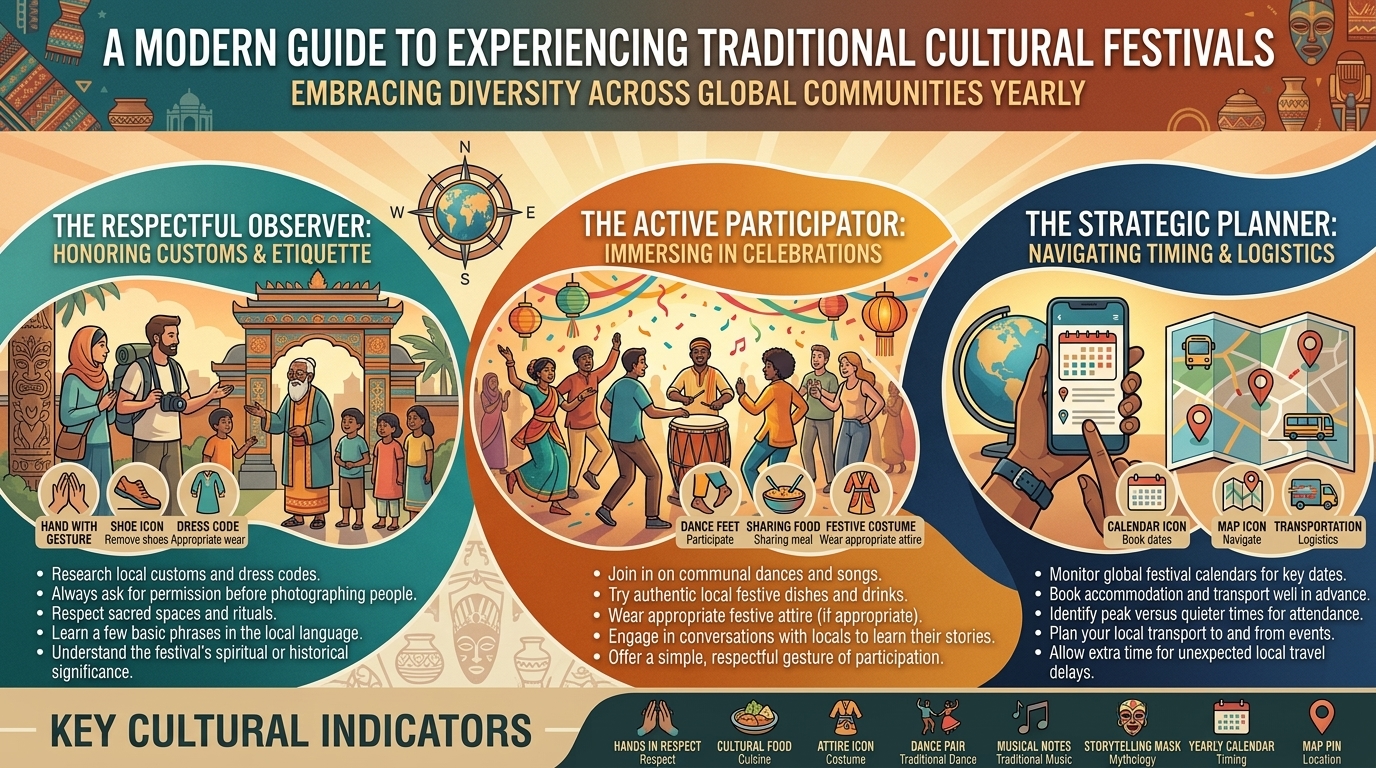
Welcome to nyattitude.com, your premier destination for cultural exploration, immersive urban travel, and celebrating the vibrant mosaic of global traditions right in your backyard. Whether you are navigating the dynamic ethnic enclaves of New York City and San Francisco, exploring multicultural celebrations across California and Washington, or experiencing rich community heritages throughout Texas, our nation is home to a staggering array of annual traditional festivals.
Participating in cultural festivals offers far more than a fun weekend outing—it is a profound passport to global understanding. From the explosive colors of Holi and the quiet reverence of Lunar New Year to the energetic rhythms of West Indian carnivals and the solemn beauty of Día de los Muertos, these celebrations preserve ancestral roots while enriching our shared contemporary landscape.
In this comprehensive, SEO-optimized guide, we will explore the significance of annual cultural festivals, teach you how to locate and participate in them respectfully, and share insider tips for experiencing these living traditions across major American regions.
The Cultural Significance of Annual Traditions
Traditional festivals are the living heartbeats of ethnic communities. Passed down through generations, these celebrations serve critical cultural functions:
- Preservation of Heritage: In a globalized world, festivals act as dynamic time capsules. They preserve indigenous languages, folk dances, culinary arts, spiritual rituals, and traditional attire that might otherwise fade in modern diaspora communities.
- Intergenerational Bonding: Festivals bring elders, parents, and youth together. Younger generations learn their history not from textbooks, but by dancing in processions, preparing ceremonial dishes, and sharing communal spaces.
- Bridges of Understanding: For neighbors outside the community, these festivals provide an open invitation to cross cultural boundaries, taste authentic cuisine, ask questions, and celebrate shared humanity.
Regional Cultural Hotspots Across the United States
Different regions across the country host distinct cultural festivals shaped by immigration patterns, historical trade routes, and local community histories:
- New York: As a historic gateway for global immigration, New York City hosts world-renowned events ranging from the massive West Indian American Day Carnival in Brooklyn and the Lunar New Year parades in Manhattan and Flushing to vibrant Greek, Italian, and South Asian street feasts.
- San Francisco & Northern California: The Bay Area boasts profound Asian, Latin American, and European heritages. From the iconic Chinese New Year Parade (the largest of its kind outside Asia) to vibrant Carnaval San Francisco in the Mission District, cultural expressions run deep.
- Washington State: Blending rich Indigenous Pacific Northwest tribal potlatches and canoe journeys with rapidly growing pan-Asian, Scandinavian, and Eastern European communities, Washington offers breathtaking waterfront and community-hall festivals.
- Texas & California: The American Southwest features deep-rooted Mexican, Tejano, and Hispanic traditions, alongside flourishing Vietnamese, South Asian, and African diaspora festivals that light up community centers, parks, and downtown plazas year-round.
Step-by-Step Guide: How to Find and Attend Festivals Respectfully
Experiencing a cultural festival as an outsider requires a balance of enthusiasm, curiosity, and deep cultural respect. Follow this step-by-step roadmap:
      [ Step 1: Research & Discovery ] -->  Consult Cultural Calendars & Community Centers
                   ↓
      [ Step 2: Contextual Learning ]  -->  Understand Rituals & Sacred Meanings
                   ↓
      [ Step 3: Respectful Engagement ] -->  Ask Permission, Support Local Artisans, & Taste
Step 1: Research and Discovery
- Local Community Calendars: Skip generic event lists and check the cultural calendars of local temples, gurdwaras, mosques, churches, cultural community centers, and ethnic chambers of commerce.
- Neighborhood Associations: Neighborhoods like Chinatown, Little Italy, Astoria (Queens), the Mission District (San Francisco), or specific hubs in Houston and Dallas publish annual event schedules.
Step 2: Contextual Learning
- Before attending a sacred or religious ceremony (such as a Dia de los Muertos altar blessing, a temple consecration, or a traditional wedding showcase), take 10 minutes to read about its cultural meaning. Knowing why certain garments are worn or what offerings represent transforms you from a passive spectator into an appreciative guest.
Step 3: Respectful Engagement
- Photography Etiquette: Always ask for permission before photographing individuals, especially children, elders, or worshippers engaged in prayer or ritual dances. Never block ritual processions for a selfie.
- Culinary Support: Food is central to every culture. Buy your meals and snacks directly from family-run food stalls, community volunteer booths, and local artisans rather than corporate vendors.
Comprehensive Tips for an Immersive Experience
- Arrive Early for Authentic Moments: Major parades and peak hours draw massive crowds. Arriving early allows you to witness quieter preparatory rituals, speak with festival organizers without feeling rushed, and secure prime viewing spots.
- Use Public Transit: Many urban festivals close down major thoroughfares. Parking near cultural enclaves during a major holiday is notoriously difficult; rely on subways, light rail, or rideshares.
- Bring Cash: While modern card readers are increasingly common, smaller community booths, traditional craft makers, and temple fundraisers frequently rely on cash transactions.
- Be Open to New Tastes: Don’t just order the most familiar item on a festival menu. Ask the food vendor for their traditional favorite or specialty dish—culinary exploration is often the most memorable part of any cultural exchange.
Frequently Asked Questions (FAQ)
1. Are ethnic cultural festivals open to the general public?
Yes! The vast majority of cultural festivals are explicitly designed to share heritage, food, music, and joy with the broader public. Everyone is welcome, provided they attend with an attitude of respect and openness.
2. How can I find smaller, neighborhood-specific festivals rather than massive commercial parades?
Look for notices posted on bulletin boards in local grocery stores, community centers, and places of worship within ethnic neighborhoods. Local ethnic newspapers and community radio stations are also goldmines for neighborhood event dates.
3. Is it appropriate to wear traditional clothing from a culture I do not belong to?
It depends on the context. Wearing casual, everyday cultural attire or decorative items sold openly as souvenirs at a festival is generally fine. However, sacred, ceremonial, or religious regalia (such as indigenous headdresses or sacred garments) should never be worn as a costume.
4. How do I know if photography is allowed during religious rituals?
When in doubt, look for posted signs or simply ask a volunteer or organizer. If a ceremony is taking place inside a place of worship, step back, keep your camera lowered during solemn prayers, and always ask permission before taking close-up portraits.
5. What are some major annual festivals to look out for in the U.S.?
Major celebrations include Lunar New Year (January/February), Holi (March), Juneteenth (June), San Francisco’s Carnaval and New York’s West Indian American Day Carnival (May and September respectively), and Día de los Muertos (November 1–2).
6. Can children benefit from attending multicultural festivals?
Absolutely. Experiencing diverse music, food, languages, and art forms at a young age fosters natural curiosity, empathy, and global awareness in children.
7. Do I need to tip food vendors at cultural booths?
Many festival food booths are run by volunteers raising funds for cultural schools, places of worship, or community charities. Leaving a small tip or declining your change is a wonderful way to support their mission.
8. How can I learn the background music or dance styles performed at festivals?
Many cultural centers and dance academies that perform at these festivals offer public workshops or community classes where you can learn traditional folk dances, drumming, or crafts hands-on.
9. What should I pack for a full-day outdoor cultural festival?
Comfortable walking shoes, sun protection (hat and sunscreen), reusable water bottles, cash, a light jacket for evening shifts, and an open, curious mindset!
10. How can I ensure my participation is respectful rather than intrusive?
Treat cultural spaces as you would treat a home where you are an invited guest. Listen more than you speak, try local foods with enthusiasm, thank organizers and volunteers, and respect boundaries marked off for private ceremonies.
Conclusion
Experiencing traditional cultural festivals across different ethnic communities is one of the most enriching ways to connect with the world around you. By stepping out of your routine and engaging with local celebrations—whether in New York, San Francisco, Washington, Texas, or California—you celebrate the rich tapestry of human history and creativity. Embrace the music, taste the heritage, and let cultural exploration deepen your appreciation for our diverse global community.
What is the most memorable cultural festival you have ever attended, and what tradition or cuisine are you hoping to experience next?