How to Find Eco-Friendly Vegan Leather Jackets Designed by Independent Local Brands
For decades, the classic leather jacket has served as the ultimate symbol of effortless cool, edge, and urban identity. However, as conscious consumers increasingly re-examine the environmental cost of traditional tanning and animal agriculture, the demand for high-performance alternatives has surged.
Yet, a major dilemma remains: Not all vegan leather is created equal.
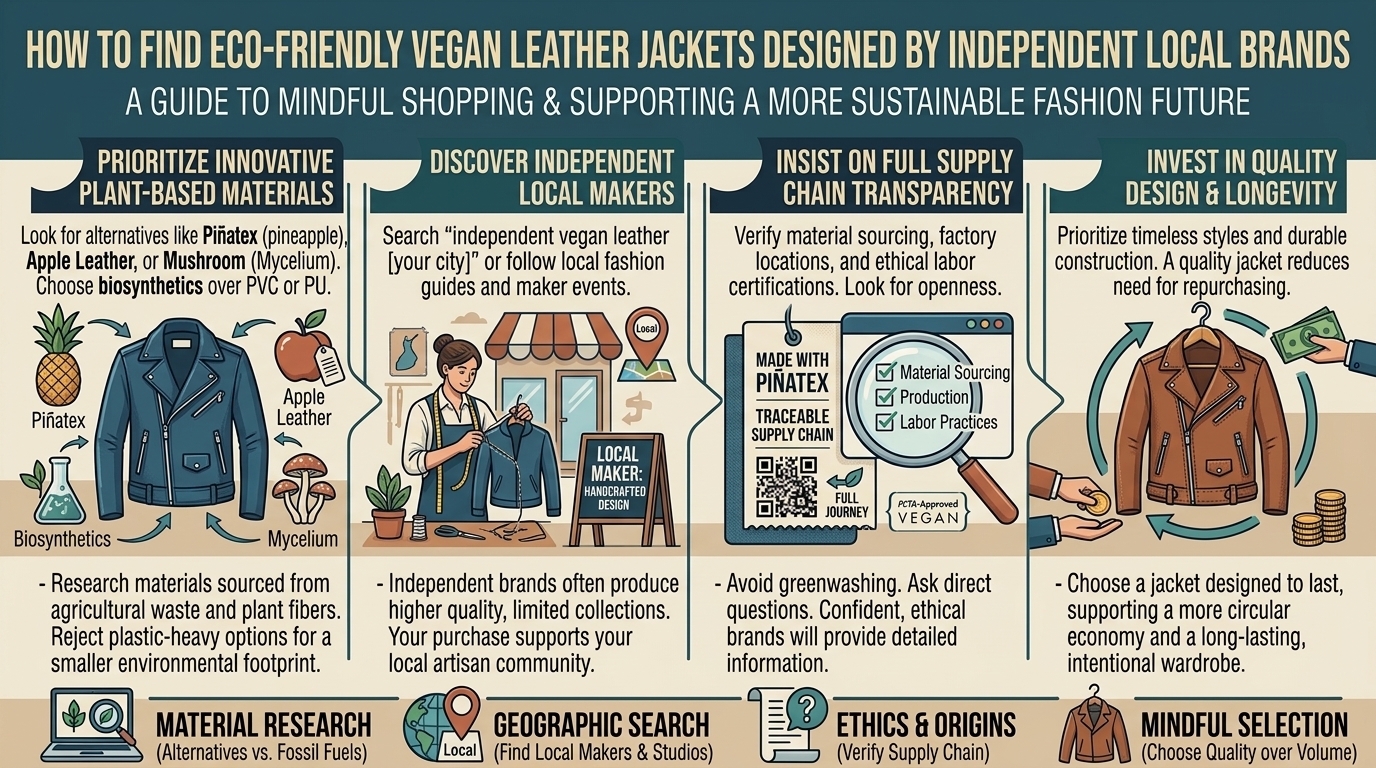
Mass-market fast fashion is flooded with cheap, petroleum-based polyurethane (PU) and polyvinyl chloride (PVC) jackets that crack after one season and leach microplastics into landfills for centuries. Truly eco-friendly vegan leather requires a different approach—one anchored in next-generation plant bio-materials, closed-loop manufacturing, and small-batch craftsmanship.
At NYAttitude (nyattitude.com), we bridge the distinct style mindsets across New York, San Francisco, California, Texas, and Washington. This comprehensive guide will navigate the complex world of sustainable alternative textiles, teach you how to spot greenwashing, highlight independent brand hubs across key fashion regions, and show you how to source an eco-friendly vegan leather jacket that lasts a lifetime.
1. The Material Breakdown: Truly Eco-Friendly vs. Fast-Fashion Synthetics
Before stepping into local boutiques or shopping independent labels online, you must understand what your jacket is actually made of. The market generally splits into three distinct tiers of synthetic and bio-based leather:
                  VEGAN LEATHER MATERIAL SPECTRUM

   HIGH ENVIRONMENTAL IMPACT                CIRCULAR & BIO-BASED
   ◄───────────────────────────────────────────────────────────►
   [ PVC ]            [ Standard PU ]       [ Recycled / Bio-PU ]   [ Next-Gen Bio-Textiles ]
   Polyvinyl Chloride Petroleum-based       Recycled plastics +     Pineapple, Cactus, Apple,
   High toxicity,    Cracks easily,         water-based polymer    Mycelium, MIRUM® (100% bio)
   contains phthalates non-biodegradable    coatings               Zero plastic, fully circular
The Materials Matrix
| Material Type | Trade/Brand Names | Eco-Impact & Sustainability Profile | Durability & Feel |
| Next-Gen Bio-Textiles | MIRUM®, Piñatex® (Pineapple), Desserto® (Cactus), AppleSkin™ | Highest: Made from agricultural waste or natural minerals. Plastic-free or micro-plastic minimized, low carbon footprint. | Soft, breathable, ages with natural patina. High tensile strength. |
| Mycelium Leather | Mylo™, Fine Mycelium™ | Highest: Grown using underground mushroom root structures in closed-loop vertical farms. Low water and land usage. | Highly flexible, premium supple hand-feel resembling luxury calfskin. |
| Water-Based & Recycled PU | Solvent-Free Polyurethane, Recycled PET backing | Moderate: Uses post-consumer recycled plastics; eliminates toxic DMF solvents during production. | Highly resistant to water and peeling, though still relies on synthetic polymers. |
| Standard Fossil Synthetics | PVC, Petroleum PVC/PU | Lowest (Avoid): Derived directly from crude oil, uses phthalates, off-gasses toxins, and cracks within 1–2 years. | Stiff, non-breathable, degrades rapidly. |
2. How to Spot “Greenwashing” When Shopping Independent Labels
Independent brands often champion sustainability, but “vegan” does not automatically mean “eco-friendly”. Use this four-step authentication checklist when evaluating an independent label:
                GREENWASHING AUTHENTICATION FLOW

   ┌──────────────────────────────────────────────────────────┐
   │ 1. CHECK THE BASE MATERIAL                               │
   │    Is it plant-based or recycled? (Avoid 100% virgin PVC) │
   └────────────────────────────┬─────────────────────────────┘
                                │
                ┌───────────────┴───────────────┐
                ▼                               ▼
            [ YES ]                          [ NO ]
                │                               │
                │                   Vague "Faux-Leather" term
                ▼                   often masks cheap plastics
   ┌────────────────────────────┐
   │ 2. INSPECT THE LINING      │
   │    Are linings organic     │
   │    cotton, bamboo, or rPET?│
   └────────────┬───────────────┘
                │
                ▼
   ┌────────────────────────────┐
   │ 3. VERIFY ETHICAL FACTORY  │
   │    Small-batch production  │
   │    with traceable labor?   │
   └────────────┬───────────────┘
                │
                ▼
   ┌────────────────────────────┐
   │ 4. HARDWARE QUALITY        │
   │    Recycled brass/zips built│
   │    for long-term repairs?  │
   └────────────────────────────┘
- Beware of Vague Terminology: If a brand label simply reads “100% Faux Leather” or “Man-Made Material” without specifying the substrate, it is almost certainly low-grade, virgin petroleum-based plastic. Independent eco-brands explicitly name their suppliers (e.g., “Desserto® Cactus Leather” or “OEKO-TEX certified recycled PU”).
- Examine the Interior Lining: A truly sustainable jacket pairs an eco-outer shell with an eco-lining. Look for GOTS-certified organic cotton, bamboo viscose, or recycled post-consumer polyester (rPET). Avoid jackets lined with virgin nylon or cheap synthetic acetate.
- Assess the Hardware: Quality independent designers pair sustainable fabrics with heavy-duty metal zippers (such as recycled brass or YKK NATULON® zippers) that can be easily repaired by a tailor rather than thrown away if a tooth breaks.
- Transparency & Batch Sizes: Authentic sustainable labels produce in small, limited-run batches to prevent overstock waste. Look for brands that disclose their factory locations and ethical labor certifications (e.g., Fair Trade Certified, SA8000).
3. Regional Brand Hubs: Sourcing Independent Designers Across Key States
Sustainable independent designers draw heavy inspiration from their local surroundings. Here is how eco-friendly outerwear shopping breaks down across major style capitals:
San Francisco & California: The Plant-Tech Innovation Capital
San Francisco and the broader Bay Area serve as the global epicenter for bio-material research and conscious lifestyle brands.
- The Vibe: Minimalist, highly functional, unstructured outerwear engineered for micro-climate transitions.
- What to Look For: Boutiques along San Francisco’s Fillmore Street and Valencia Street (Mission District), as well as Los Angeles’ Arts District. Local designers here frequently partner with Silicon Valley bio-tech firms to pilot mushroom-leather, cactus-based bombers, and water-repellent plant blazers.
New York City: Architectural Tailoring & Urban Edge
New York remains the heart of independent fashion design, blending sharp streetwise tailoring with forward-thinking ethical practices.
- The Vibe: Structured double-breasted moto jackets, oversized aviator cuts, and sleek cropped silhouettes.
- What to Look For: Independent designer pop-ups in Williamsburg (Brooklyn), the Lower East Side, and Soho. Look for Brooklyn-based micro-studios crafting handcrafted vegan outerwear utilizing deadstock bio-fabrics and recycled trims.
Texas (Austin, Dallas, Houston): Heritage Crossover & Heat Resistance
Texas fashion bridges traditional Western heritage aesthetics with modern urban edge.
- The Vibe: Vegan suede fringe jackets, lightweight utility shirt-jackets (“shackets”), and breathable tan/espresso plant-leather coats.
- What to Look For: Independent boutiques along South Congress (Austin) and the Dallas Arts District. Texan independent designers prioritize lightweight, breathable plant-leather formulations that withstand warmer climate shifts without trapping excessive heat.
Washington (Seattle & Pacific Northwest): All-Weather Functional Eco-Outerwear
The Pacific Northwest demands outerwear that handles persistent drizzle and outdoor active lifestyles without sacrificing urban style.
- The Vibe: Weather-sealed vegan leather trenches, fleece-lined alternative shearling coats, and utilitarian hooded storm jackets.
- What to Look For: Independent outposts in Seattle’s Capitol Hill and Ballard neighborhoods. Designers in Washington specialize in combining plant-based leather uppers with water-resistant non-toxic coatings for maximum climate protection.
4. Care & Maintenance: How to Make Plant & Vegan Leather Last Decades
Because high-quality bio-based and vegan leathers react differently than animal hides, traditional leather conditioners (like mink oil or beeswax) should never be used. Follow this maintenance protocol:
- Gentle Cleaning: Wipe down the exterior regularly using a damp microfiber cloth with cold water and mild castile soap. Never use harsh chemical solvents, alcohol wipes, or bleach.
- Hydration (For Plant Leathers): Plant-based leathers (such as cactus or apple leather) benefit from specialized bio-based leather creams designed specifically for coated plant polymers to maintain surface elasticity.
- Proper Storage: Store your jacket on a wide, contoured wooden coat hanger. Thin wire hangers distort the shoulder structure of synthetic and bio-leather jackets, causing permanent creasing or fabric stretching.
- Avoid High Heat: Keep vegan jackets away from direct radiator heat or intense sunlight during storage, which can dry out protective surface coatings and lead to premature peeling.
Frequently Asked Questions (FAQ)
Q1: Is plant-based vegan leather (like cactus or pineapple) 100% biodegradable?
Most current commercial plant leathers (such as Piñatex® or Desserto®) blend organic plant fibers with a bio-based or recycled polyurethane binder to ensure water resistance and structural durability. While significantly more eco-friendly than petroleum plastics, they are generally partially biodegradable or recyclable rather than fully compostable. Fully plastic-free alternatives like MIRUM® are rare exceptions that are 100% circular.
Q2: How long does a high-quality eco-friendly vegan leather jacket last compared to real leather?
While cheap fast-fashion PU jackets crack after 1 to 2 years, premium bio-based and high-grade recycled PU jackets crafted by independent designers are engineered to last 7 to 15+ years when properly cared for and stored correctly.
Q3: Why are eco-friendly vegan leather jackets from independent brands more expensive than fast-fashion alternatives?
Independent eco-brands produce in small batches, pay fair living wages to skilled artisans, use certified non-toxic dyes, and source cutting-edge bio-materials (such as apple, mushroom, or cactus leather) that carry higher raw material development costs than cheap petroleum plastics.
Q4: Will a plant-based vegan leather jacket soften and break in over time?
Yes! High-grade plant leathers and water-based PUs soften natural folds with body heat and wear, mimicking the comfortable drape of traditional leather without stiffness.
Q5: How do I handle minor scuffs or surface scratches on a vegan leather jacket?
Apply a tiny drop of specialized vegan leather repair gel or clear bio-based topcoat cream to a soft cloth and buff out the scuff in light circular motions. Never sand or use abrasive pads on alternative leathers.
Q6: Can eco-friendly vegan leather jackets be tailored or altered?
Yes, but choose a tailor experienced with synthetic or heavy coated textiles. Because sewing needles leave permanent puncture marks in alternative leathers, alterations must be performed accurately on the first pass.
Q7: Are pineapple (Piñatex) and apple (AppleSkin) leathers waterproof?
They are highly water-resistant thanks to non-toxic protective surface coatings. They easily handle light rain showers, but should not be submerged under heavy water without drying flat afterward.
Q8: What is the most eco-friendly way to shop for a vegan leather jacket if my budget is limited?
Look for vintage deadstock or second-hand independent vegan labels on curated vintage platforms. Buying pre-loved garments extends the product life cycle and eliminates new manufacturing emissions entirely.
Q9: Do plant-based vegan jackets smell like chemicals or vinyl?
No. Cheap PVC/PU jackets off-gas strong synthetic chemical smells due to petroleum solvents. High-grade bio-leathers derived from apple pulp, cactus, or sugarcane emit a neutral, earthy, or faint organic scent.
Q10: Where can I find curated lists of independent ethical designers across the US?
Platform destinations like nyattitude.com curate regional fashion guides, independent brand profiles, and sustainable style insights across New York, San Francisco, California, Texas, and Washington.
Conclusion
Choosing an eco-friendly vegan leather jacket is a powerful statement at the intersection of style, ethics, and innovation. By rejecting cheap fast-fashion plastics, understanding next-generation plant textiles, checking for authentic brand transparency, and supporting independent local designers, you invest in a timeless piece of outerwear that respects the planet as much as your wardrobe.
Whether you’re exploring boutiques in Brooklyn, shopping green design studios in San Francisco and Los Angeles, hunting heat-friendly styles in Austin, or layering up for wet weather in Seattle, wear your values proudly with authentic NYAttitude (nyattitude.com).