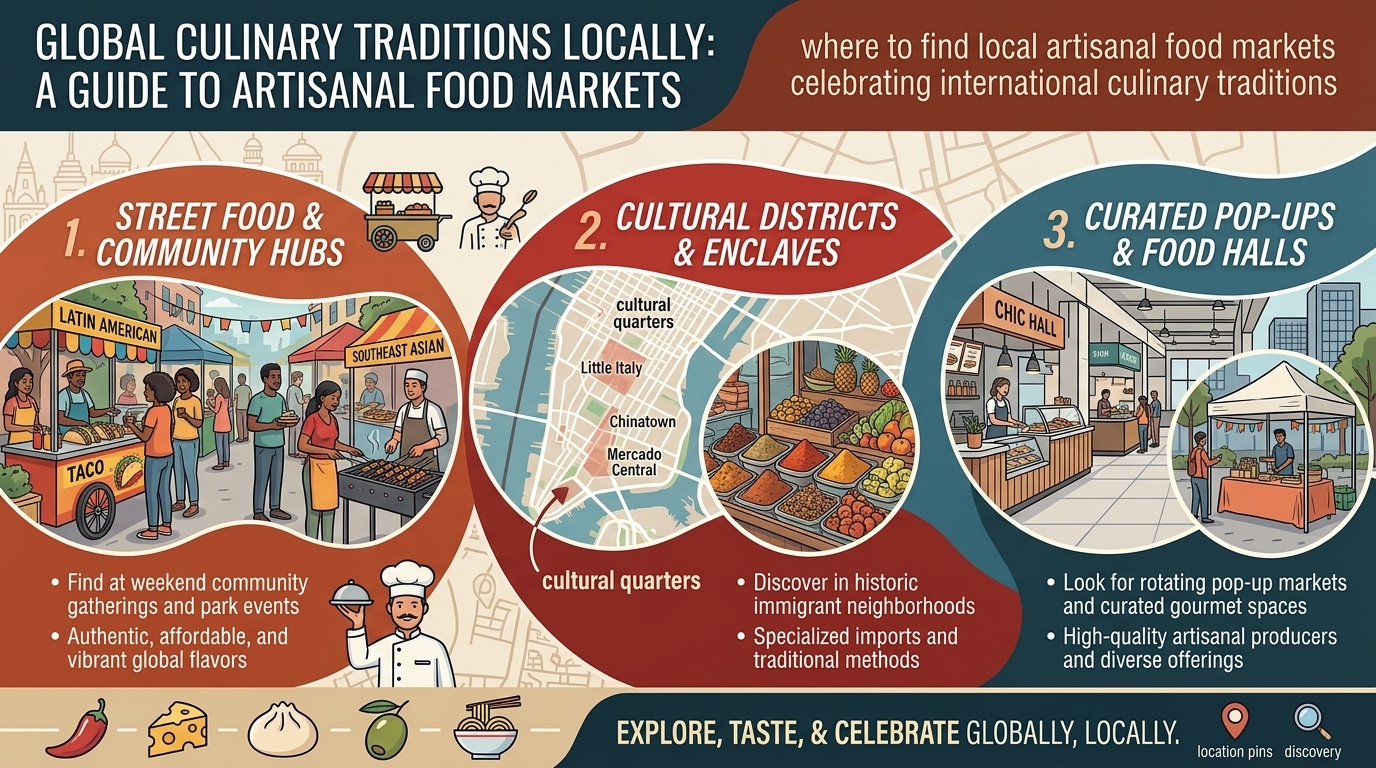
In an era dominated by hyper-efficient mega-grocery chains, standardized corporate franchises, and algorithmic meal delivery apps, a profound cultural counter-movement is quietly sweeping the nation. Across major metropolitan economic and cultural powerhouses like New York, San Francisco, Los Angeles, Seattle, and Austin, food lovers are turning away from the generic and returning to the deeply human, roots-bound world of local artisanal food markets.
These are not your average supermarkets. They are living, breathing cultural ecosystems where immigrant families, master cheesemakers, spice blenders, artisanal bakers, and generational butchers come together to showcase authentic international culinary traditions. Walking through these markets is an immersive, sensory-rich journey that transports you straight to the bustling street food stalls of Oaxaca, the aromatic spice bazaars of Istanbul, or the rustic cheese cellars of the French Alps without ever buying a plane ticket.
At nyattitude.com, we champion style, authenticity, cultural appreciation, and intentional living. This comprehensive masterclass acts as your ultimate roadmap to finding, exploring, and deeply experiencing the best local artisanal food markets celebrating global culinary heritage across America’s key regional hubs.
Part 1: The Philosophy of the Artisanal Food Market
To truly appreciate these spaces, it helps to understand why artisanal markets represent the beating heart of local culture.
+-----------------------------------+-----------------------------------+
| Corporate Supermarket Model       | Artisanal Cultural Food Market    |
+-----------------------------------+-----------------------------------+
| Mass-produced, uniform inventory  | Small-batch, hand-crafted products|
| Anonymous supply chains           | Direct connection with the makers |
| Standardized commercial recipes   | Generational heritage & tradition |
| Transactional, sterile experience | Conversational, sensory adventure |
+-----------------------------------+-----------------------------------+
1. Direct-to-Maker Connection
When you purchase imported olive oil from a specialty vendor in San Francisco or hand-rolled tamales from an artisanal market stall in Austin, you aren’t just buying food—you are buying a story. You are talking directly to the person who sourced, crafted, or imported the item, learning the precise regional techniques passed down through their family.
2. Preserving Heritage Through Taste
Globalization threatens to homogenize global food culture. Artisanal markets act as cultural preserves where endangered heirloom grains, ancient fermentation methods, traditional curing recipes, and rare spice blends are kept alive, protected, and shared with the local community.
Part 2: Iconic Artisanal Food Markets Across Key American Hubs
Every major region represented by nyattitude.com boasts legendary public markets and hidden artisanal hubs dedicated to world flavors:
1. New York & The Northeast: Essex Market & Chelsea Market
- The Experience: New York City is a global mosaic of immigrant food traditions. Essex Market on the Lower East Side bridges generations of history, offering everything from fresh Caribbean produce and Puerto Rican specialty spices to Japanese artisanal tamari and kosher delicacies. Meanwhile, Chelsea Market houses a sprawling indoor network of global purveyors.
- The Vibe: High-energy, historic, diverse, and unapologetically bold.
2. San Francisco & Northern California: Ferry Building Marketplace & Alemany Farmers’ Market
- The Experience: Situated along the historic Embarcadero, the Ferry Building Marketplace is a world-class sanctuary for California’s artisanal food movement. It features master cheesemakers, heirloom bean purveyors, artisanal chocolatiers, and fresh Mediterranean-inspired bakeries. Further south, the historic Alemany Farmers’ Market serves as the “People’s Market,” celebrating rich Hispanic, Asian, and Italian agricultural traditions.
- The Vibe: Coastal, sophisticated, farm-to-table, and hyper-local.
3. Southern California & Los Angeles: Grand Central Market
- The Experience: Operating since 1917 in downtown Los Angeles, Grand Central Market is a legendary 30,000-square-foot open-air arcade reflecting the multicultural soul of Southern California. Here, you can sample authentic pupusas, Thai street noodles, artisanal Middle Eastern pastries, and Japanese dry-aged fish side-by-side.
- The Vibe: Vibrant, eclectic, bustling, and deeply multicultural.
4. Washington & The Pacific Northwest: Pike Place Market & Ballard Farmers Market
- The Experience: Seattle’s historic Pike Place Market is more than a tourist destination—it is a working community of farmers, fishmongers, and craftspeople. Tucked among its sprawling stalls are authentic Russian bakeries, Pacific Rim spice vendors, and artisan cheese makers. The Ballard Farmers Market leans heavily into Scandinavian and European artisanal traditions.
- The Vibe: Rain-brushed, maritime, rustic, and artisan-focused.
5. Texas: Mueller Farmers’ Market & Austin Central Market
- The Experience: Texas has evolved into an epicurean powerhouse. Austin’s vibrant artisanal markets celebrate a stunning fusion of Tex-Mex heritage, Central European Czech/German baking traditions, and modern global fusion crafts, offering everything from artisanal mole pastes to hand-crafted goat cheeses.
- The Vibe: Warm, sunny, community-driven, and fiercely independent.
Part 3: Tactical Tips for Maximizing Your Artisanal Market Experience
Navigating a bustling international food market like a seasoned local requires preparation, curiosity, and proper market etiquette.
+-------+-----------------------------------+-----------------------------------+
| Tip   | Action Strategy                   | Purpose                           |
+-------+-----------------------------------+-----------------------------------+
| 1     | Arrive Early for Peak Inventory   | Secure rare items before they sell|
| 2     | Engage Vendors in Conversation    | Unlock secret product recommendations|
| 3     | Bring Insulated Totes & Ice Packs | Preserve delicate cheeses & meats |
| 4     | Taste Generously (When Offered)   | Experience authentic flavor profiles|
+-------+-----------------------------------+-----------------------------------+
1. The Art of Asking the Right Questions
Don’t just point and buy. Artisanal vendors are passionate educators. Ask questions like: “What region of Italy does this olive oil originate from?”, “How long is this cheese aged?”, or “What traditional dish do you recommend pairing this spice blend with?” Their answers will completely transform how you cook and eat.
2. Packing for Success
Artisanal foods—such as unpasteurized cheeses, fresh pasta, delicate pastries, and artisanal charcuterie—are sensitive to temperature changes. Always pack a sturdy, insulated grocery tote bag with a couple of reusable ice packs in your car or backpack.
Frequently Asked Questions (FAQ)
1. Are artisanal food markets more expensive than standard supermarkets?
Often, yes, because you are paying for small-batch production, fair wages for makers, organic ingredients, and high-quality imports rather than mass-industrialized cost-cutting. However, the superior nutritional value, incredible flavor depth, and cultural authenticity make every dollar well spent.
2. Can I find vegan and gluten-free artisanal options at these markets?
Absolutely! International culinary traditions naturally offer incredible plant-based and gluten-free staples—from ancient grain sourdoughs and chickpea flatbreads to authentic vegan Mexican mole and Japanese mochi sweets.
3. Do international food markets accept credit cards, or should I carry cash?
While most established vendors accept digital payments (Apple Pay, credit cards), many smaller generational stalls, family farmers, and specialty spice merchants prefer or reward cash payments. Carrying $30 to $50 in small bills is always recommended.
4. What is the best day of the week to visit these markets?
Saturday or Sunday mornings offer the most vibrant atmosphere, live demonstrations, and the widest selection of fresh inventory. However, weekday mornings (Tuesday or Wednesday) provide a quieter, more relaxed environment for deep conversations with vendors.
5. How do I know if an imported product at an artisanal market is truly authentic?
Look for protected designation labels (like DOP for European cheeses/oils), inspect ingredient labels for unnecessary artificial preservatives, and ask the vendor about the direct import source and producer background.
6. Can I sample food products before buying them?
Many specialty cheese counters, spice vendors, and bakery stalls happily offer small tastes if you politely express curiosity about a specific item. Never take samples without asking first.
7. Are these markets accessible for visitors with mobility needs?
Major public markets (such as NYC’s Essex Market, SF’s Ferry Building, and LA’s Grand Central Market) are fully ADA-compliant with smooth paved floors, elevators, and accessible restrooms, though historic open-air street markets can occasionally feature uneven cobblestones.
8. What is the best way to transport fragile baked goods or cheeses home?
Ask vendors for specialized butcher paper or rigid cardboard packaging. Placing delicate items in the top compartment of a structured backpack or flat on the floorboard of your car prevents crushing.
9. Are pets allowed inside indoor artisanal food markets?
Due to health department regulations regarding food preparation and retail safety, live pets are generally prohibited inside indoor food halls and markets, with service animals being the sole exception.
10. Where can I find more lifestyle guides and local food exploration ideas?
For continuous inspiration on stylish city living, culinary culture, and curated local discoveries across America, keep your browser locked right here to nyattitude.com!
Conclusion
Local artisanal food markets celebrating international culinary traditions are far more than shopping venues—they are vibrant cultural crossroads that feed both body and soul. By stepping away from the sterile aisles of corporate supermarkets and engaging directly with the passionate makers, bakers, and spice masters in your city, you reconnect with the rich, global heritage of human cuisine. Whether you are tasting artisanal cheeses in San Francisco, exploring global spice stalls in New York, or discovering heritage grains in Austin, these markets turn everyday eating into an extraordinary cultural adventure.
At nyattitude.com, we empower you to live, eat, and explore with style, curiosity, and authenticity. Support your local makers, taste the world, and enrich your table today!