Why Exploring Architectural Details on Old Buildings Reveals Fascinating Stories About the Past
Introduction: Reading the History Carved in Stone and Steel
When most people navigate the dense, vibrant streets of major economic and cultural capitals like New York, San Francisco, Los Angeles, Seattle, and Austin, they view buildings as static background furniture. To the average commuter, skyscrapers, brownstones, Victorian row houses, and historic commercial blocks are simply functional boxes where people live, work, and shop.
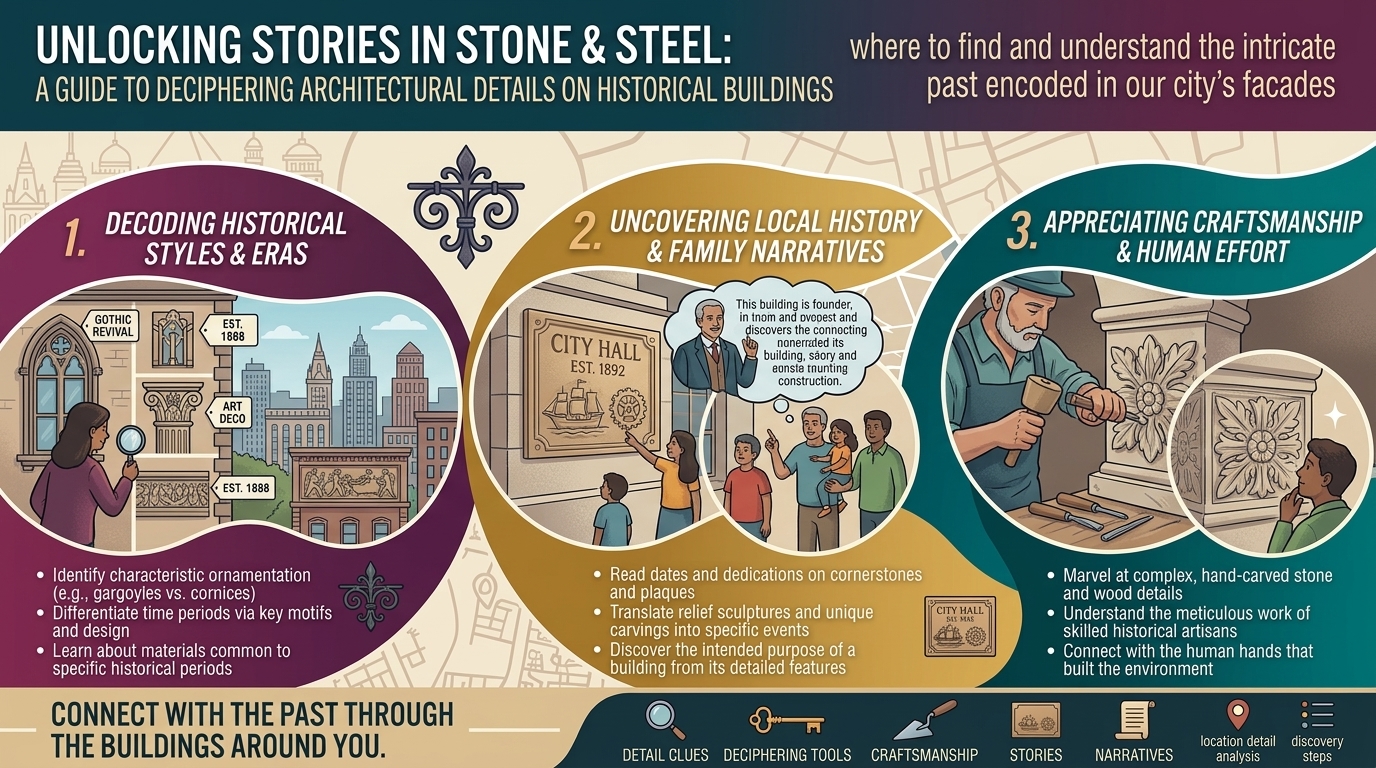
However, for the intentional urban explorer, historic architecture is far more than shelter—it is a vast, open-air historical library. Every carved limestone gargoyle, rusted iron fire escape, decorative terra-cotta tile, hand-poured glass windowpane, and weathered corner cornerstone tells a rich, untold story about the aspirations, immigrations, economic booms, and architectural philosophies of the past.
At nyattitude.com, we celebrate style, culture, historical appreciation, and intentional living. This comprehensive masterclass explores why looking up and analyzing the architectural details of old buildings unlocks fascinating windows into history, providing a profound lens through which to experience our cities.
Part 1: The Language of Facades – Why Architecture Is History Made Visible
To understand the stories behind old buildings, you must learn to recognize the visual vocabulary left behind by master builders, stone masons, and ironworkers from centuries past.
+-----------------------------------+-----------------------------------+
| Modern Corporate Glass Box        | Historic Architectural Facade     |
+-----------------------------------+-----------------------------------+
| Standardized aluminum panels      | Hand-carved limestone & terra cotta|
| Mass-produced monolithic scaling  | Human-scale ornamental detail     |
| Utilitarian energy-saving glass   | Story-driven symbols & masonry    |
| Designed for temporary economic use| Built to anchor generational legacy|
+-----------------------------------+-----------------------------------+
1. The Economics of Ornamentation
In the 19th and early 20th centuries, building facades served as visual business cards and cultural declarations. Business owners, civic leaders, and immigrant communities invested heavily in decorative masonry, symbolic carvings, and rich metals to signal permanence, prosperity, and cultural identity in a rapidly expanding nation.
2. Materials as Time Stamps
The physical materials used in a building reveal the technological and geographic history of its era. Hand-poured wavy glass panes indicate pre-industrial manufacturing; cast iron storefront columns tell the story of rapid post-fire urban rebuilding; and local brownstone or red brick highlights immediate regional quarry availability before cross-country freight shipping standardized construction.
Part 2: Architectural Storytelling Across Key American Hubs
Every major regional landscape covered by nyattitude.com boasts distinct architectural fingerprints that narrate unique chapters of American history:
1. New York & The Northeast: Cast-Iron Splendor and Brownstone Neighborhoods
- The Stories Told: In lower Manhattan (such as SoHo and the historic districts), soaring cast-iron facades from the mid-1800s reveal how cities rapidly mass-produced ornate classical European columns using prefabricated metal modules. Meanwhile, the iconic brownstone stoops of Brooklyn and Greenwich Village tell intimate stories of 19th-century domestic life, social stratification, and the evolution of urban real estate development.
- Key Details to Look For: Corinthian iron capitals, ornate window lintels, and original coal chute covers embedded in the sidewalk.
2. San Francisco & Northern California: Victorian Elegance and Earthquake Resilience
- The Stories Told: San Francisco’s famous “Painted Ladies” and Victorian-Edwardian row houses (such as those in Haight-Ashbury and Pacific Heights) reveal the booming wealth generated by the California Gold Rush. Furthermore, the surviving masonry details tell tales of architectural adaptation following the devastating 1906 earthquake and fire, showcasing flexible redwood framing and decorative bay windows designed to maximize natural light in a foggy coastal microclimate.
- Key Details to Look For: Intricate spindlework, decorative sunburst gables, and heavy wooden cornices.
3. Southern California & Los Angeles: Spanish Colonial Revival and Hollywood Glamour
- The Stories Told: Los Angeles’s historic commercial and residential corridors narrate a cinematic history of utopian dreams, Mediterranean revivalism, and rapid mid-century automotive expansion. Ornate tile work, wrought-iron balconies, and dramatic archways reflect early Spanish and Mexican heritage blended with the golden age of Hollywood set design.
- Key Details to Look For: Hand-painted Talavera tiles, courtyard fountains, and stylized marquee lettering.
4. Washington & The Pacific Northwest: Timber Heritage and Richardsonian Romanesque
- The Stories Told: Seattle’s historic Pioneer Square features heavy Richardsonian Romanesque architecture built from local red brick and native basalt following the Great Seattle Fire of 1889. These buildings tell a gripping story of pioneer resilience, maritime trade, and rapid economic transition from a frontier logging town to a global gateway.
- Key Details to Look For: Massive arched stone entryways, carved terra-cotta animal heads, and heavy iron ring bolts used for mooring ships in early waterfront days.
5. Texas: Limestone Pioneers and Victorian Commercial Pride
- The Stories Told: Texas historic districts—from downtown Austin’s historic blocks to San Antonio’s legacy commercial hubs—highlight a fascinating blend of German immigrant craftsmanship, native Texas limestone construction, and frontier Victorian mercantile confidence.
- Key Details to Look For: Hand-chiselled limestone blocks, carved corner stones bearing original construction dates, and elaborate metal roof parapets.
Part 3: Tactical Tips for Becoming an Architectural Detective
Unlocking the hidden stories of buildings requires keen observation, patience, and a structured investigative approach.
+-------+-----------------------------------+-----------------------------------+
| Tip   | Action Strategy                   | Purpose                           |
+-------+-----------------------------------+-----------------------------------+
| 1     | Always Look Up Above Street Level | Discover hidden cornices & carvings|
| 2     | Hunt for Cornerstones & Badges    | Uncover exact construction dates  |
| 3     | Analyze Window and Door Proportions| Understand original structural age|
| 4     | Invest in a Pocket Monocular/Zoom | Examine high-altitude masonry detail|
+-------+-----------------------------------+-----------------------------------+
1. The Art of the Upward Gaze
Most pedestrians keep their eyes locked straight ahead or down at their smartphones. To see the real architectural stories, you must tilt your head upward. The upper third of historic buildings—the cornices, rooflines, and friezes—is where masonry artists poured their finest, most expressive work.
2. Deciphering Building Signage and Ghost Signs
Look closely at the faded, hand-painted advertisements (known as “ghost signs”) painted on the exposed brick side walls of old commercial buildings. These weathered murals whisper tales of long-gone soda bottlers, tailoring shops, cigar manufacturers, and shipping agents from a bygone era.
Frequently Asked Questions (FAQ)
1. Why do older buildings feature so much more ornamentation than modern buildings?
Before the advent of structural steel framing and cheap plate glass in the 20th century, buildings relied on thick, load-bearing masonry walls. Architects and stone masons used sculptural ornamentation, relief carvings, and varied brick patterns to break up massive flat surfaces and express cultural status.
2. What is a “ghost sign,” and how can I read it?
Ghost signs are old, hand-painted commercial advertisements painted on brick building walls decades ago. Because they used oil-based paints that soaked into porous clay bricks, they outlasted the businesses themselves. You can read them by looking at residual lettering highlighting historical brands, phone numbers with old exchange codes, and vintage product lines.
3. How can I determine the exact year a historic building was constructed?
Look near the foundation corners or upper rooflines for a carved stone or metal plaque called a cornerstone. Additionally, you can search municipal tax assessment records, historic preservation archives, or local city planning maps online.
4. What tools should I bring on an architectural walking tour?
A comfortable pair of walking shoes, a notebook or smartphone for logging interesting facades, a camera with a telephoto lens or smartphone zoom to capture high-altitude masonry, and an optional pocket monocular for close-up inspection.
5. Are architectural details protected by law on old buildings?
In many cities, historic preservation commissions designate specific neighborhoods or individual structures as official “historic landmarks.” This legal status prevents property owners from altering, demolishing, or stripping away significant historic exterior architectural details.
6. What is terra cotta, and why is it so common on 19th-century buildings?
Terra cotta (baked earth) is a durable, fire-resistant ceramic material that was widely used in late 19th- and early 20th-century architecture. It allowed builders to mold elaborate, lightweight decorative panels, floral motifs, and classical figures far more cheaply and quickly than hand-carving individual blocks of stone.
7. How do fire escapes tell the story of urban housing history?
Historic cast-iron and steel fire escapes bolted to the fronts of apartment buildings reflect the evolution of municipal fire safety codes following tragic urban fires in the 19th and early 20th centuries, transforming streetscapes into iconic visual symbols of city living.
8. What is the difference between Victorian, Romanesque, and Art Deco styles?
- Victorian: Features ornate wooden gingerbread trim, asymmetry, and vibrant color palettes.
- Romanesque: Features heavy, rugged stone blocks, massive round arches, and medieval fortress-like detailing.
- Art Deco: Features sleek vertical lines, geometric symmetry, stylized sunbursts, and machine-age metallic ornamentation.
9. Can everyday citizens contribute to preserving historic architectural details?
Yes! You can support local historic preservation societies, document endangered ghost signs or historic facades via community photography projects, and patronize independent local businesses operating inside restored historic structures.
10. Where can I find more lifestyle guides, local history, and urban exploration ideas?
For continuous inspiration on stylish city living, architectural heritage, and curated urban discoveries across America, keep your browser locked right here to nyattitude.com!
Conclusion
Exploring architectural details on old buildings is an extraordinary way to transform how you experience your city. Instead of seeing concrete and brick as lifeless obstacles, you begin to read the physical diaries of past generations etched directly into stone, iron, and glass. Whether you are admiring cast-iron columns in New York, Victorian trim in San Francisco, or weathered limestone in Texas, architectural exploration connects us deeply to the cultural roots of our urban landscape.
At nyattitude.com, we empower you to navigate city living with elegance, historical curiosity, and style. Look up, read the details, and discover the fascinating stories hidden all around you today!