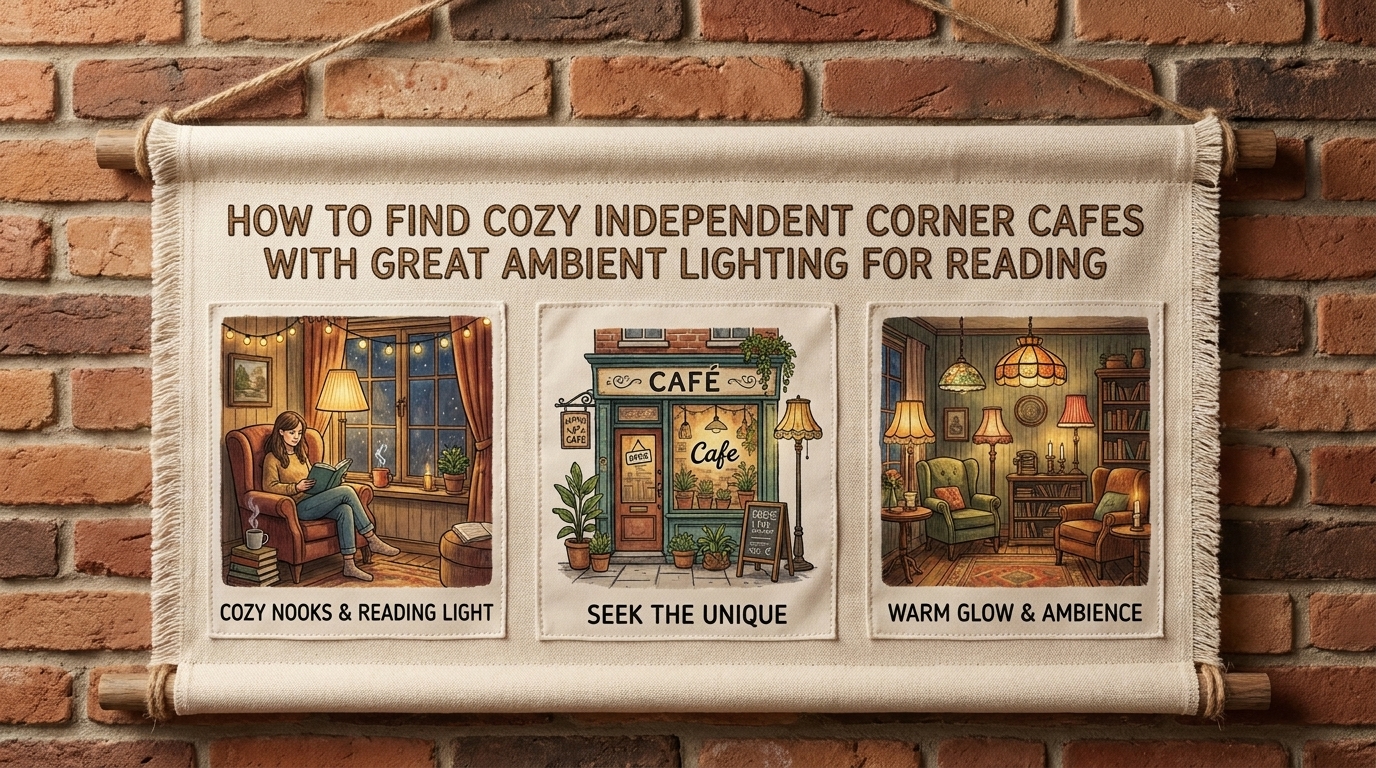
In an age dominated by hyper-connected digital devices, fluorescent-lit corporate workspaces, and algorithmic coffee chains, finding a genuine sanctuary for deep reading and contemplation has become an art form. Whether you are searching for a quiet literary nook amidst the fast-paced financial energy of New York, a creative bohemian corner in San Francisco or the broader California cultural corridors, a thoughtful retreat amid Washington’s political intensity, or a welcoming nook across the bustling urban centers of Texas, the right independent cafe offers more than just caffeine. It provides a tactile, atmospheric ecosystem where books come alive.
Not all coffee shops are built for readers. Many modern establishments optimize for high customer turnover: hard wooden chairs, blaring top-40 playlists, glaring overhead LED panels, and crowded communal tables designed to deter lingering. But the true independent corner cafe—the hidden neighborhood gem tucked away on a residential sidestreet—is a reader’s paradise. It offers comfortable seating, a welcoming hum of low-decibel ambient noise, and, most importantly, masterful ambient lighting that protects your eyes and sets the stage for hours of immersive reading.
This comprehensive guide explores the geometry of reading spaces, the science of ambient lighting, actionable strategies to hunt down the best independent cafes, and how to turn any neighborhood spot into your personal literary haven.
Part 1: The Anatomy of a Perfect Reading Cafe
What separates a mediocre coffee shop stop from a legendary reading sanctuary? It comes down to four structural pillars: sensory architecture, crowd dynamics, tactile comfort, and illumination.
1. The Acoustic Sweet Spot
Absolute silence is often counterproductive for reading. Total quiet makes every page turn, door latch, and whispered conversation sound like a disruption, causing your brain to remain hyper-vigilant.
- The Coffee Shop Hum: Independent cafes provide what environmental psychologists call pink noise or low-level ambient murmur (steady espresso machine steam wands, distant low chatter, clinking ceramic). This steady auditory backdrop masks erratic noises and allows your prefrontal cortex to lock into a state of deep reading flow.
2. Tactile and Spatial Ergonomics
Reading is a physical act. If your posture is compromised by a wobbly table, a low stool with no back support, or a bench too far from the tabletop, physical fatigue will cut your reading session short within 30 minutes. The ideal reading cafe features deep wooden armchairs, window-facing ledges with proper counter heights, or cushioned booth corners.
Part 2: The Science of Ambient Lighting for Readers
Lighting is the single most critical factor when choosing a cafe for reading. Poor lighting causes eye strain, mental fatigue, and headaches, while optimal lighting enhances comprehension and relaxation.
1. Color Temperature (Kelvins)
Lighting is measured in Kelvins (K).
- Harsh White/Blue Light (4000K to 6500K): Found in offices and modern corporate chains. It suppresses melatonin, triggers alertness, but feels clinical and harsh on book pages.
- Warm Ambient Light (2700K to 3000K): The golden standard for cozy cafes. It mimics sunset tones, relaxes the nervous system, and makes printed paper pages look rich and inviting.
2. Layered Illumination
The best independent corner cafes avoid harsh overhead spotlights shining directly onto your book (which causes blinding page glare). Instead, they use layered ambient lighting:
- Indirect Wall Sconces: Soft pools of light washing down textured brick or plastered walls.
- Low-Hanging Pendant Lights: Focused downward illumination over individual tables without blinding the reader.
- Natural Window Diffusion: North-facing or shaded windows that provide soft, indirect natural daylight during afternoon reading sessions.
Part 3: Actionable Strategies to Discover Hidden Independent Cafes
Finding these literary sanctuaries requires looking past commercial main strips and utilizing targeted exploration tactics.
1. The “Radius Sidestreet” Search Method
Corporate chains and high-volume cafes pay premium rent for high-visibility corner lots on major commercial avenues. Independent neighborhood gems, however, usually survive on lower-cost sidestreets just one or two blocks off the main drag.
- Actionable step: Open map applications of your city (whether exploring New York, San Francisco, Washington, Austin, or Dallas), zoom in on residential neighborhoods adjacent to commercial zones, and search specifically for terms like “independent coffee,” “books and coffee,” or “neighborhood roasters.”
2. Community Bulletin Board and Local Bookstore Cross-Referencing
Independent bookstores and independent cafes are natural cultural cousins.
- Actionable step: Visit local independent bookstores in your city. Check their community bulletin boards, ask the booksellers where they grab a quiet pour-over after shift, or look for cafe partnerships advertised in-store.
3. The “Afternoon Audit” (Testing Peak Lighting and Noise)
A cafe that looks quiet at 8:00 AM during the morning commuter rush might be a chaotic zoo, while the exact same cafe at 2:00 PM on a Tuesday transforms into a tranquil literary haven.
- Actionable step: Conduct a site visit during off-peak hours (2:00 PM to 5:00 PM). Observe where the natural light falls, check if power outlets are accessible without blocking walkways, and test the ambient noise floor.
Part 4: Regional Perspectives: Finding Literary Nooks Across Major Hubs
Every major economic and cultural region offers a distinct flavor of independent cafe culture:
- New York: Characterized by historic brownstone neighborhoods, exposed brick interiors, and tiny, deeply intimate subterranean or corner nooks (especially in Greenwich Village, Brooklyn, and the Upper West Side). Lighting is often warm, moody, and candle- or filament-bulb driven.
- San Francisco & California: Deeply influenced by bohemian history, natural light aesthetics, and artisanal coffee movements. Look for airy spaces featuring indoor plants, large industrial windows, and warm wooden communal tables in neighborhoods like the Mission or North Beach.
- Washington: Blends historic intellectual tradition with diplomatic quietude. Look for hidden basement cafes near Capitol Hill or Dupont Circle featuring leather armchairs, heavy velvet drapes, and warm library-style desk lamps.
- Texas: Known for spacious hospitality, historic adaptive-reuse buildings (old warehouses, converted historic homes), and expansive patios. Look for indie spots in Austin, Dallas, or Houston that offer quiet indoor library corners paired with southern warmth.
Part 5: Essential Etiquette for Cafe Readers
When you occupy a table at an independent cafe for a two-hour reading session, you are a guest in a small business ecosystem. Respecting cafe etiquette ensures you remain welcome back:
1. The “Order-to-Time” Ratio
Do not occupy a prime four-person table for three hours with a single $3 drip coffee.
- Rule of thumb: Purchase a beverage and a pastry upon arrival. If you stay longer than two hours, order a second item (a tea, sparkling water, or light lunch) to financially support the independent business providing your workspace.
2. Equipment Minimalism
Keep your setup clean. A book or e-reader, notebook, headphones, and a beverage are all you need. Avoid spreading backpacks, chargers, and coat piles across adjacent empty seats during peak hours.
3. Headphone Courtesy
If you use background music or audiobooks while reading, keep your headphones properly sealed so neighboring patrons aren’t subjected to audio bleed.
Part 6: 10 Frequently Asked Questions (FAQs)
1. How can I tell if a cafe has good lighting for reading before I walk in?
Check customer photos on Google Maps or Instagram geotags. Look specifically for warm yellow/amber lighting, lamps on tables, brick walls with soft wall sconces, or large windows with soft, filtered curtains rather than harsh fluorescent ceiling panels.
2. Is it rude to read in a busy cafe during peak morning hours?
Yes. Occupying a table with a book during the 8:00 AM to 9:30 AM morning rush deprives the cafe of table turnover when customers are waiting for takeaway or quick breakfast meetings. Save your long reading sessions for off-peak hours (1:30 PM to 5:00 PM).
3. How do I find independent cafes that don’t blast loud music?
Look for cafes explicitly marketed as neighborhood meeting spots, bookstores-cafes, or acoustic-friendly spaces. You can also check reviews mentioning “quiet atmosphere,” “good for studying,” or “peaceful vibe.”
4. What is the best seat in a cafe for reading?
The ideal reading seat is a corner booth or a window seat facing inward (rather than staring out at distracting street traffic). A corner seat gives you a sense of spatial enclosure, which enhances cognitive focus.
5. Are e-readers better than physical books for reading in low-lit cafes?
It depends on personal preference. Physical books require proper ambient lighting overhead or nearby. E-readers with adjustable warm backlight settings (like Paperwhite models) allow you to read comfortably even if a cafe’s ambient lighting is slightly too dim for print.
6. How can I support independent cafes so they stay in business?
Beyond purchasing regularly, tip your baristas generously, leave positive online reviews highlighting their atmosphere, buy whole-bean coffee or merchandise from them, and recommend the space to fellow readers.
7. What should I do if a cafe doesn’t have power outlets for my laptop or tablet?
If you are reading an e-reader or physical book, power outlets don’t matter! Embrace the un-plugged reading session. If you need a device charged, always scout out wall locations near banquettes or bar ledges before ordering.
8. Why do chain coffee shops have bad lighting for reading?
Major chains optimize store design for high velocity and rapid customer churn. Bright fluorescent lights, hard seating, and energetic music are deliberately engineered to make customers comfortable enough to buy, but restless enough to leave quickly.
9. Can I bring my own study materials or books to a cafe?
Absolutely, as long as you are respectful of the space. Independent cafes love readers who appreciate the literary culture of their establishment.
10. How do I politely decline sharing my table if someone asks during a busy period?
If a cafe is completely packed and someone politely asks if the empty chair at your table is available, grace dictates that you share the space unless you are actively packing up to leave. Share the warmth of the independent cafe community!
Conclusion
Finding the ultimate cozy independent corner cafe with warm ambient lighting transforms reading from a routine task into a cherished ritual. Whether you are exploring historic nooks in New York, artistic hideaways in San Francisco and California, intellectual dens in Washington, or welcoming spaces across Texas, the hunt for the perfect reading sanctuary connects you deeply to the pulse of your city.
Step off the main commercial avenue, seek out the warm glow of filament bulbs and amber wall sconces, order a pour-over, open your book, and let the outside world fade away.