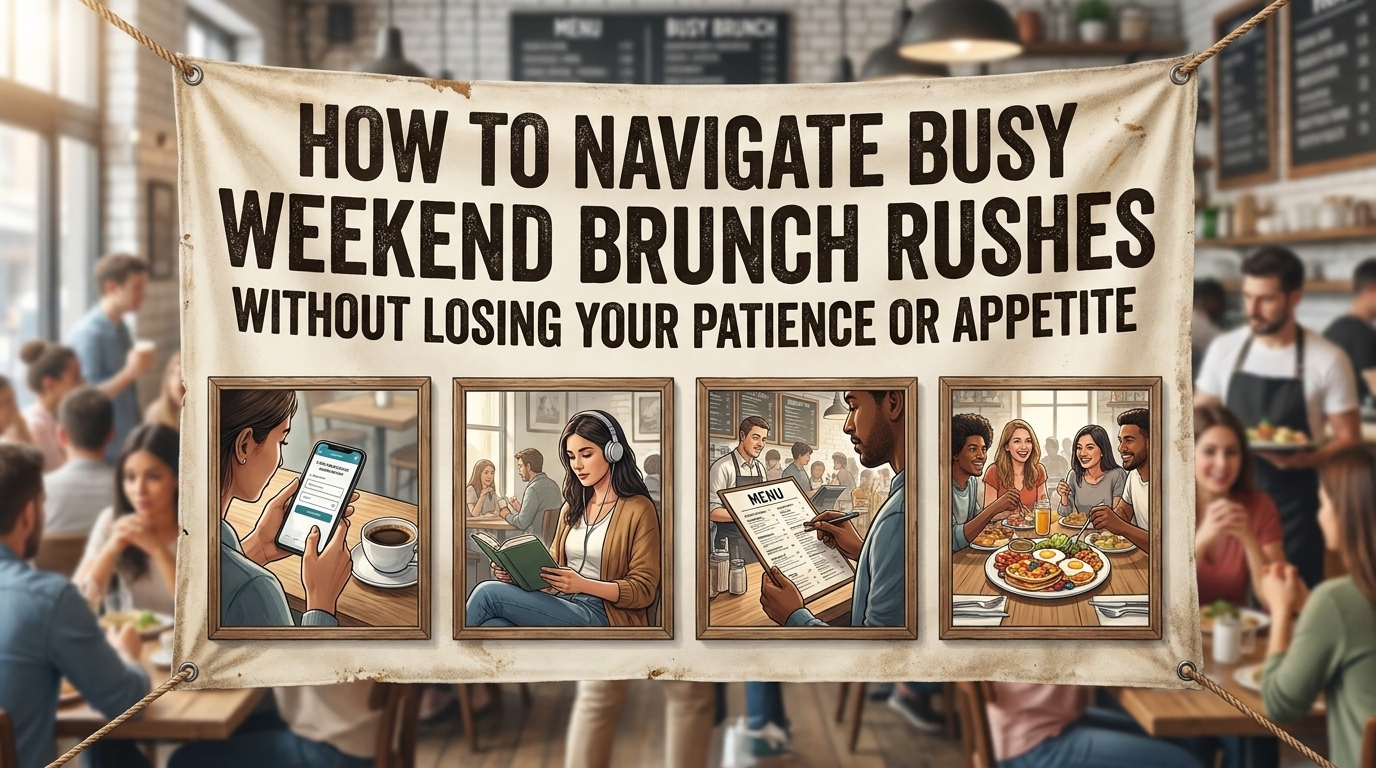
There is an undeniable magic to the weekend brunch ritual. It bridges the sluggish transition between a late-week wind-down and the coming week’s demands, offering a golden window for mimosas, artisanal avocado toasts, stacked pancakes, and catching up with friends. However, anyone who has attempted to secure a table at an acclaimed eatery on a Saturday or Sunday morning knows the dark side of this phenomenon: a sea of hungry people, ninety-minute wait times, chaotic host stands, and frazzled servers trying to manage a non-stop morning rush.
Whether you are navigating the trendy culinary hotspots of New York and San Francisco, scoping out vibrant neighborhood cafes across California, touring the booming food scenes of Texas, or exploring the cozy, coffee-scented streets of Washington, weekend brunch crowds operate like a well-oiled machine under extreme pressure. Learning how to navigate these rushes smoothly transforms an exercise in frustration into a seamless, highly enjoyable weekend ritual.
1. The Art of Timing: When to Go vs. Peak Rush Hours
Brunch rushes do not happen by accident; they follow a strict psychological and chronological timeline. Understanding how time moves in a restaurant environment gives you a massive advantage.
- The Danger Zone (11:00 AM – 1:30 PM): This is the apex of the weekend rush. Church services let out, sleep-ins wrap up, and everyone converges on local eateries simultaneously. Walking into a popular spot during this window without a reservation is a recipe for long lines.
- The Early Bird Advantage (9:00 AM – 10:00 AM): Arriving right as doors open or within the first hour guarantees that you get the freshest food, sparkling clean tables, and an attentive waitstaff who aren’t yet overwhelmed.
- The Late-Morning Sweet Spot (1:45 PM – 2:30 PM): As the initial wave clears out, restaurants enter a brief lull before transition preparation. While a few menu items might run out, the pace slows down dramatically, allowing for a leisurely, unhurried meal.
2. Strategic Reservation Hacks and Digital Tool Mastery
Gone are the days when showing up on a whim was the standard way to dine. Today, mastering digital platforms is essential to conquering the brunch rush.
- Book Weeks in Advance: High-demand venues in major metropolitan hubs often release their booking slots weeks ahead of time on a rolling schedule. Set a calendar reminder if you are eyeing an exclusive spot.
- Leverage Waitlist Apps: Platforms like Yelp Waitlist, Resy, and OpenTable allow you to join digital queues remotely. You can monitor your place in line from your couch or car, arriving precisely when your table is ready instead of lingering in a crowded entryway.
- The Single-Party Flexibility Rule: If you are booking for a large group (six or more), expect long delays or strict table-cap policies. Breaking your gathering into smaller pods or opting for counter-service venues can bypass group restrictions entirely.
3. Mastering the Walk-In Game When Plans Fall Through
If you decide to wing it and head out without a reservation, do not panic. Experienced diners use tactical maneuvers to secure a spot quickly.
- Befriend the Bar Area: Many popular brunch spots operate on a first-come, first-served basis for bar seating. The bar often features the full brunch menu, quicker service, and a lively atmosphere without the multi-hour wait.
- Embrace Counter and Communal Seating: Couples or pairs willing to sit at a communal table or window counter are frequently bumped to the front of the waitlist because they fill awkward gaps in the seating chart.
- Have a Plan B and Plan C: Always scout two backup eateries within a two-block radius of your primary target. If the wait time at spot number one is an unreasonable two hours, pivoting gracefully to a nearby neighborhood gem saves your appetite and your mood.
4. Managing Your Mindset: How to Keep Hunger and Frustration at Bay
Brunch anxiety is real—nothing triggers irritability quite like low blood sugar combined with sensory overload and loud crowd noise.
- The Pre-Brunch Buffer Snack: Never approach a famous brunch spot on an empty stomach. Eating a small, protein-rich snack (like a handful of almonds, a banana, or a yogurt cup) an hour before heading out prevents “hangry” decision-making.
- Shift Your Perspective on the Wait: If you find yourself stuck in a 30-minute queue, treat it as social time rather than wasted time. Use the interval to chat with your companions, listen to a podcast, or explore a nearby block.
- Respect the Pacing: Once seated, remember that the kitchen is working at maximum capacity. Expect a slightly longer lag between ordering and food delivery during peak rush hours, and lean into the relaxed, conversational nature of the meal.
5. Etiquette and Efficiency: Being a Great Guest During Peak Hours
Navigating the rush isn’t just about what the restaurant does for you; it’s also about how you interact with the ecosystem of the dining room.
- Complete Your Menu Review Quickly: Have an idea of what you want before the server arrives. Peak-hour brunch is not the time for a lengthy, indecisive perusal of every ingredient.
- Be Mindful of Table Turn Times: If you notice a massive line pooling out the door, wrap up your lingering coffee conversations outside or at a nearby park rather than sitting at the table for an hour post-meal preventing others from dining.
- Tip Generously: Front-of-house staff work under immense stress during weekend rushes, balancing chaotic seating charts, heavy trays, and high expectations. A strong tip acknowledges their hard work under pressure.
10 Frequently Asked Questions (FAQs)
1. What is the absolute best time to arrive at a brunch restaurant to avoid long lines?
Arriving right when the restaurant opens (usually between 9:00 AM and 9:30 AM) or during the late-afternoon lull (after 1:45 PM) are the most effective ways to walk right in without a significant wait.
2. How far in advance should I book reservations for top-tier weekend brunch spots?
For trendy hotspots in cities like New York, San Francisco, or Austin, you should look to book anywhere from 7 to 14 days in advance, especially for larger party sizes.
3. Can I walk into a popular brunch restaurant and sit at the bar?
Yes! Many establishments keep their bar seats unreserved and open exclusively for walk-ins. You can typically order the full food menu from the bar while bypassing long dining-room waitlists.
4. What should I do if my digital waitlist time is called, but I am still five minutes away?
Call the restaurant immediately. Most host stands operate with a strict grace period (usually 5 minutes) before releasing a table to the next party in line.
5. Why do brunch menus often differ from standard lunch or breakfast menus?
Brunch menus are specifically engineered for speed, cross-utilization of ingredients, and high-volume batch cooking to help kitchens survive the intense weekend morning rush.
6. How can I handle a large group brunch without causing seating chaos?
Call ahead to ask about large-party policies. Many restaurants require a prix-fixe menu or specific seating arrangements for groups larger than six, so planning ahead avoids day-of mix-ups.
7. What is “table turn time” and why does it matter?
Table turn time is the duration it takes for a party to be seated, order, eat, pay, and leave. During busy brunch rushes, restaurants rely on efficient table turns to accommodate everyone waiting outside.
8. Are third-party apps like Yelp or Resy necessary for brunch?
While not strictly mandatory, they heavily streamline the experience by allowing you to monitor waitlists remotely, reducing physical standing time at crowded host stands.
9. How do I politely handle a massive delay when I have a confirmed reservation?
Speak calmly and politely to the host, reminding them of your reservation time. Venues will often prioritize your seating next or offer a complimentary round of drinks or pastries while you finish waiting.
10. What is the smartest way to choose an alternative restaurant if my first choice is too packed?
Keep a mental or digital shortlist of neighborhood spots that share a similar culinary style (e.g., local diners, French bistros, or artisanal bakeries) located within walking distance of your original target.
Conclusion
Navigating a busy weekend brunch rush doesn’t have to test your patience or sour your appetite. By mastering the clock, utilizing digital reservation and waitlist tools, maintaining a flexible mindset, and understanding the rhythm of high-volume dining, you can turn a potentially stressful outing into a seamless weekend highlight. Whether you are brunching under the bright sun of California, exploring cozy cafes in Washington, or soaking in the metropolitan energy of New York and San Francisco, a little preparation goes a long way toward a delicious, frustration-free meal.
What is your golden rule for surviving a crowded weekend brunch spot without losing your cool?