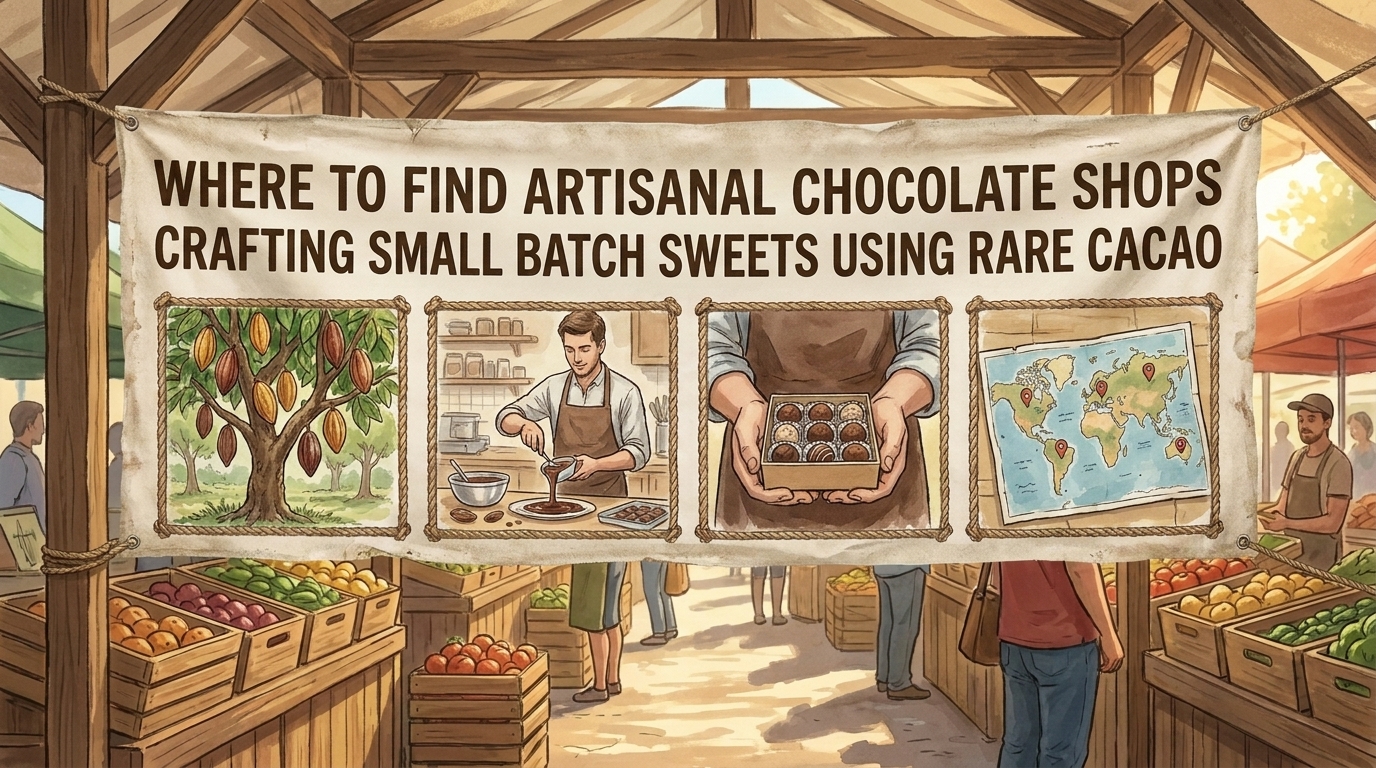
For the true connoisseur, mass-produced candy bars loaded with artificial additives, excessive sugars, and homogenized processing are a thing of the past. The modern culinary landscape has entered a golden age of bean-to-bar craftsmanship. Today, discerning sweet-tooth enthusiasts look for micro-batch creators who treat cacao with the same reverence, precision, and regional specificity as a master winemaker treats fine grapes.
If you are hunting for extraordinary sweets made from rare, single-origin cacao, look no further. Spanning dynamic cultural epicenters like New York, San Francisco, California, Washington, and Texas, this guide highlights where to find the absolute best artisanal chocolate shops crafting small-batch masterpieces.
1. San Francisco: The Epicenter of American Bean-to-Bar Innovation
San Francisco is widely considered the beating heart of the American craft chocolate movement. The city’s foggy microclimates, culinary experimentalism, and commitment to direct-trade ethics have created a thriving hub for rare cacao sourcing.
- Dandelion Chocolate (Mission & 16th St): Operating out of a vibrant factory and cafe, Dandelion is famous for crafting single-origin chocolate bars using just two ingredients: organic cacao and cane sugar. They roast micro-batches sourced directly from individual farms and cooperatives in places like Latin America and Africa, highlighting distinct flavor notes—from nutty and bright to earthy and fruit-forward.
- Socola Chocolatier (Folsom St): A beloved boutique blending Vietnamese heritage with West Coast creativity. Socola crafts small-batch truffles and artisanal bars infused with unexpected local flavors like sea salt, passion fruit, and Vietnamese iced coffee.
2. New York City: Historic Roots Meet Modern Cacao Artistry
New York’s rich cultural tapestry has fostered a chocolate scene that bridges old-world European techniques with avant-garde, small-batch micro-lots.
- Li-Lac Chocolates (Manhattan): As Manhattan’s oldest historic chocolate house, Li-Lac has been handcrafting small-batch gourmet confections since 1923. While renowned for classic copper-kettle fudge and signature nonpareils, their commitment to traditional artisanal techniques remains unwavering.
- Specialty Boutiques & Curated Counters: Beyond historical institutions, NYC is home to specialty specialty importers and neighborhood ateliers that curate rare microlots from remote rainforest cooperatives across Ecuador, Madagascar, and Peru.
3. Texas: Bold Flavors and Sustainable Craftsmanship
The Lone Star State’s culinary renaissance extends deep into the artisanal confectionery space, blending sustainable direct-trade sourcing with bold, regional flair.
- SRSLY Chocolate (Austin): A pioneer in the Texas bean-to-bar movement, SRSLY focuses intensely on organic, ethically sourced cacao transformed into minimalist, high-impact dark chocolate bars.
- Local Artisans & Specialty Grocers: From Austin to Houston, local purveyors feature inventive creations like chocolate-covered heirloom cacao beans (Kakawa beans) and spiced infusions that marry Texas culture with global bean-to-bar excellence.
4. Washington & California: Pacific Northwest & Coastal Elegance
From the misty evergreen forests of Washington to the sun-drenched valleys of California, the West Coast champions transparent sourcing, heirloom conservation, and exquisite flavor profiles.
- Pacific Northwest Artisans: Washington boasts micro-batch makers who prioritize shade-grown, rare cacao varieties. These shops often partner directly with indigenous farming communities to protect ancient, non-hybridized genetic strains of Criollo and Nacional cacao.
- California Coastal Ateliers: Up and down the California coast, small-batch chocolatiers experiment with sea salt harvested from local Pacific waters, organic coastal lavender, and single-origin beans that deliver complex, meltingly smooth flavor profiles.
Expert Tips for Tasting and Buying Rare Cacao Chocolate
- Check the Ingredients List: True artisanal chocolate made from rare cacao should feature minimal ingredients—typically just cacao beans and organic cane sugar. Avoid products containing artificial emulsifiers like soy lecithin or added flavorings.
- Understand Terroir: Just like wine, cacao reflects the soil, altitude, and rainfall of its origin. A bar from Madagascar will taste naturally bright and citrusy, while an Ecuadorian bean often yields earthy, floral, or deep woody undertones.
- Savor Properly: Let a piece melt slowly on your tongue rather than chewing it immediately. This allows the complex volatile aromatic compounds to coat your palate fully.
10 Frequently Asked Questions (FAQs)
1. What exactly is “bean-to-bar” chocolate?
Bean-to-bar chocolate refers to makers who control every step of the creation process—from sourcing raw, unroasted cacao beans directly from farmers to sorting, roasting, cracking, winnowing, grinding, conching, and molding the final bar in-house.
2. Why is rare cacao chocolate more expensive?
Rare cacao varieties (such as pure Criollo or heritage Nacional) yield significantly fewer pods per tree and require meticulous, labor-intensive farming. Artisanal makers also pay farmers a substantial premium well above commodity market rates to ensure ethical, sustainable practices.
3. What does “single-origin” mean?
Single-origin means the cacao beans used in a specific batch of chocolate all come from one specific country, region, or even a single farm, preserving the unique flavor profile unique to that exact geography.
4. Where can I find Dandelion Chocolate?
Dandelion Chocolate has multiple locations and cafes in San Francisco (including their famous 16th Street factory), and their single-origin bars can also be found at select specialty food shops nationwide.
5. Does Texas have a thriving craft chocolate scene?
Yes! Cities like Austin are home to dedicated bean-to-bar makers like SRSLY Chocolate, alongside specialty markets that curate micro-batch chocolates from around the world.
6. How should I store rare artisanal chocolate?
Store your chocolate in a cool, dark, and dry place (ideally between 60°F and 65°F). Avoid putting high-end chocolate in the refrigerator, as humidity and temperature fluctuations can cause “sugar bloom” or absorb unwanted food odors.
7. What is the difference between dark chocolate and artisanal dark chocolate?
Commercial dark chocolate often contains masking agents, vanillin, and heavy processing to standardize mass flavor. Artisanal dark chocolate highlights the natural, unadulterated flavors of the specific cacao bean without chemical shortcuts.
8. Are there dairy-free options available at these specialty shops?
Most high-percentage dark chocolate bars made from rare cacao are naturally dairy-free and vegan, consisting solely of cacao and sugar. Always check the label or ask the chocolatier for ingredient transparency.
9. What are the main flavor notes to look for in rare cacao?
Common tasting notes include red fruits, citrus, baking spices, floral undertones, tobacco, earthiness, and subtle hints of roasted nuts or coffee.
10. How can I support sustainable cacao farming?
Buying from transparency-focused, small-batch makers who practice direct trade ensures that farmers receive fair compensation, protecting biodiversity and encouraging the preservation of rare heirloom cacao trees.
Conclusion
Embarking on a journey to find artisanal chocolate crafted from rare cacao opens up an extraordinary sensory world far beyond standard candy aisles. Whether you are exploring the innovative bean-to-bar factories of San Francisco, discovering historical candy houses in New York, or tasting bold micro-batches across Texas, Washington, and California, the world of fine chocolate offers endless depth and luxury. Savoring a meticulously crafted, single-origin bar is not just a treat—it is an appreciation of global agriculture, culture, and culinary artistry.
What is your favorite flavor note to experience when tasting high-percentage dark chocolate?