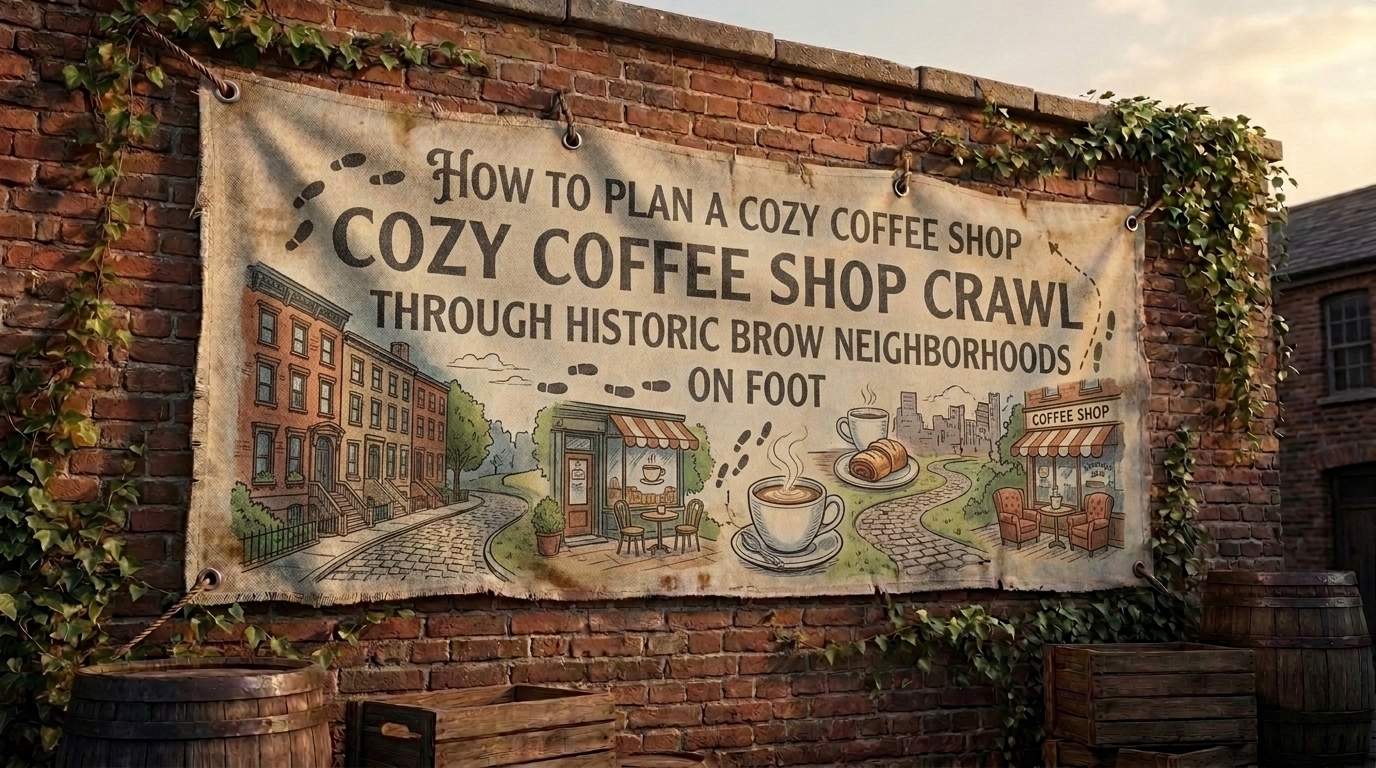
There is a distinct, romantic rhythm to exploring a city on foot. When you trade the window of a car or the subterranean rumble of a subway for the steady, unhurried pace of walking, a city’s architectural and cultural soul reveals itself. Nowhere is this more apparent than in historic brownstone neighborhoods—where tree-lined streets, ornate wrought-iron railings, ivy-draped stoops, and century-old brick and brownstone facades create a timeless urban tapestry.
Pairing this architectural beauty with the comforting, aromatic ritual of specialty coffee transforms a simple afternoon stroll into an extraordinary sensory experience. Whether you are wandering the historic brownstone blocks of New York (such as Brooklyn Heights, Park Slope, or Greenwich Village), tracing Victorian-era and Edwardian architectural gems across San Francisco, exploring heritage neighborhoods in California, uncovering historic districts in Washington, or strolling through the preserved urban cores of Texas, a cozy coffee shop crawl is the ultimate way to experience a city.
This comprehensive, highly informative guide will teach you everything you need to know to plan, execute, and thoroughly enjoy a cozy coffee shop crawl through historic brownstone neighborhoods entirely on foot.
1. The Philosophy of the Walking Coffee Crawl
A coffee crawl is fundamentally different from rushing to your daily morning caffeine stop. It is an exercise in intentional slowness, mindful observation, and sensory appreciation.
- Savoring Over Speed: Instead of chugging a large takeaway latte while checking emails, a coffee crawl invites you to slow down. You sample smaller portions—such as a traditional macchiato, a single-origin cortado, or an artisanal pour-over—allowing your palate to experience the nuanced flavor notes of different roasts.
- The Integration of Architecture and Cafes: Historic brownstone neighborhoods are unique because their ground floors, carriage houses, and corner storefronts frequently house independent micro-cafes. These shops are designed to blend seamlessly into the residential fabric, offering cozy, intimate interiors that reflect the neighborhood’s historic character.
2. Choosing Your Neighborhood: Where Brownstones Meet Specialty Coffee
Not every neighborhood is built for a walking coffee crawl. To maximize your experience, you want an area with high architectural density, pedestrian-friendly sidewalks, and a cluster of independent coffee shops located within comfortable walking distance of one another.
- New York City (Brooklyn & Manhattan): The absolute gold standard for brownstone architecture. Neighborhoods like Park Slope, Boerum Hill, Carroll Gardens, and the Upper West Side feature miles of contiguous 19th-century brownstones interspersed with world-class third-wave coffee shops.
- San Francisco: While famous for its colorful Victorian “Painted Ladies,” neighborhoods like the Mission, Noe Valley, and Pacific Heights offer stunning historic facades, hilly walking routes, and incredible specialty roasters tucked into historic commercial corners.
- California & Texas: In cities like San Francisco, Sacramento, Austin, or Dallas, look for historic preservation districts (such as Austin’s Hyde Park or historic Victorian corridors in Northern California) where turn-of-the-century homes have been preserved alongside vibrant local cafe cultures.
- Washington: Explore historic residential neighborhoods near the capital’s core, where tree-canopied streets and historic row houses host cozy neighborhood coffee havens that welcome pedestrians year-round.
3. Mapping Your Route: The Mechanics of a Perfect 3-to-4-Stop Crawl
A poorly planned crawl can leave you over-caffeinated, exhausted, or walking in frustrating zig-zags. Follow these logistical steps to design a seamless route.
Rule of Four: The Sweet Spot
Plan for a route that includes three to four cafes maximum. Trying to visit six or seven shops in one afternoon leads to coffee fatigue and palate burnout.
The Ideal Distance and Timeline
- Total Walking Distance: Aim for a total route length of 1.5 to 2.5 miles. This provides a healthy, leisurely walk of about 30 to 45 minutes total movement spread across a 3-hour afternoon.
- Time at Each Stop: Spend 20 to 30 minutes at each cafe. Sip your drink slowly, soak in the interior ambiance, admire the historic millwork, and rest your feet before heading to the next block.
Sequencing Your Menu Stops
Structure your coffee intake logically across your stops to prevent caffeine overload:
- Stop 1 (The Welcome Shot): Start with a rich, classic double espresso or a small cortado to wake up your palate.
- Stop 2 (The Craft Pour-Over): Visit a roaster known for single-origin pour-overs, allowing you to taste delicate, tea-like floral or fruity notes.
- Stop 3 (The Sweet Interlude): Pair an artisanal pastry (like a cardamom bun or almond croissant) with a balanced flat white or cappuccino.
- Stop 4 (The Decaf or Specialty Finale): Conclude with a caffeine-free house-made herbal tea, a hot chocolate made with single-origin rare cacao, or a cascara fizz.
4. Architectural Appreciation: What to Look For Between Stops
A brownstone coffee crawl is as much about visual culture as it is about caffeine. As you walk between cafes, keep your eyes open for these incredible architectural details:
- Brownstone and Limestone Facades: Notice the distinct reddish-brown sandstone (arkose) imported from quarries in Connecticut and New Jersey during the 19th century, carved with intricate Italianate and Renaissance Revival cornices.
- Stoops and Ironwork: The iconic brownstone stoop was originally designed to elevate the main living quarters above street-level dust and carriage traffic. Admire the hand-forged cast-iron railings, double front doors with etched glass, and preserved gaslight brackets.
- Hidden Courtyards and Alleyways: Many historic brownstone blocks feature secret carriage alleys, community pocket gardens, and carriage houses converted into modern dwellings and micro-roasteries.
5. Essential Gear and Etiquette Tips for Walking Crawls
Heading out on foot requires a bit of smart preparation to ensure your afternoon remains comfortable and enjoyable.
- Footwear is Everything: Leave dress shoes or brand-new heels at home. Historic brownstone sidewalks can be uneven, paved with aged flagstone or historic brick. Wear comfortable, broken-in walking shoes or sneakers.
- Dress in Breathable Layers: Weather in dynamic coastal and northern regions (like New York, San Francisco, and Washington) can shift rapidly from a warm afternoon sun to a brisk breeze as you walk down tree-shaded canyon streets. Layering a light jacket or cardigan is essential.
- Share Your Drinks: If you are crawling with a partner or small group, order one drink per stop and share it. This cuts your caffeine intake in half, saves money, and lets you taste a wider variety of specialty brews.
- Support the Neighborhood Economy: Independent cafes in historic districts operate on tight margins. Always tip your baristas generously, purchase a bag of whole beans or a pastry, and treat the historic indoor seating areas with absolute respect.
10 Frequently Asked Questions (FAQs)
1. How many coffee shops should I include in a walking coffee crawl?
Three to four cafes is the ideal number. This allows you to experience variety, enjoy the walk between stops, and sample different roasters without suffering from caffeine jitters or palate fatigue.
2. What is the best time of day to start a walking coffee crawl?
Starting between 1:00 PM and 2:00 PM is ideal. The chaotic morning commuter rush (7:30 AM – 9:30 AM) will have completely cleared out, giving you a quiet, relaxed atmosphere to chat with baristas and secure cozy seating.
3. How can I avoid getting overly caffeinated during a coffee crawl?
Share drinks with your walking partner, order smaller sizes (like macchiatos, cortados, or 4-ounce pours), drink plenty of water between stops, and make your final stop a decaf or herbal option.
4. What are the best neighborhoods for brownstone architecture and coffee in the U.S.?
Brooklyn Heights, Park Slope, and Greenwich Village in New York, alongside historic Victorian districts in San Francisco and select preserved residential cores in Washington and Texas, offer incredible backdrops.
5. Should I make reservations at coffee shops during a walking crawl?
No. Independent specialty coffee shops operate on a casual, walk-in basis. If a specific cafe is packed, take it as an opportunity to stroll an extra block and discover an unexpected neighborhood gem.
6. What should I pack in my daypack for a coffee crawl?
Bring a reusable water bottle to stay hydrated, a lightweight shopping tote for bags of coffee beans or pastries, a portable phone charger, and a camera or smartphone for architectural photos.
7. How do I find independent specialty cafes that aren’t corporate chains?
Use mapping apps to search for terms like “micro-roaster,” “independent espresso bar,” or “neighborhood specialty coffee,” and read local food blogs that highlight mom-and-pop neighborhood spots.
8. Are historic brownstone cafes accessible for everyone?
Because many brownstone buildings are historic landmarks, some older cafes may feature a few steps at the entrance or limited indoor seating. Always check accessibility details online if needed.
9. What is the difference between a pour-over and an espresso during a crawl?
An espresso is a highly concentrated shot pulled under pressure, highlighting bold, punchy flavor notes. A pour-over uses gravity and a paper filter to brew a clean cup that highlights delicate, origin-specific fruit and floral notes.
10. How can I practice good etiquette in small, cozy neighborhood cafes?
Keep your voice conversational, bus your own table when finished, avoid hogging small seating areas with laptop work during peak afternoon socializing hours, and always tip your barista.
Conclusion
Planning a cozy coffee shop crawl through historic brownstone neighborhoods on foot is one of the most enriching, relaxing, and immersive ways to experience a city. By slowing down your pace, admiring 19th-century architecture, sharing expertly crafted specialty brews, and exploring residential side streets across New York, San Francisco, Texas, Washington, and California, you transform an ordinary afternoon into an unforgettable urban adventure. Lace up your favorite walking shoes, step outside, and let the aroma of freshly roasted beans guide your way through history.
What is your favorite historic neighborhood or architectural style to explore while hunting for great coffee?