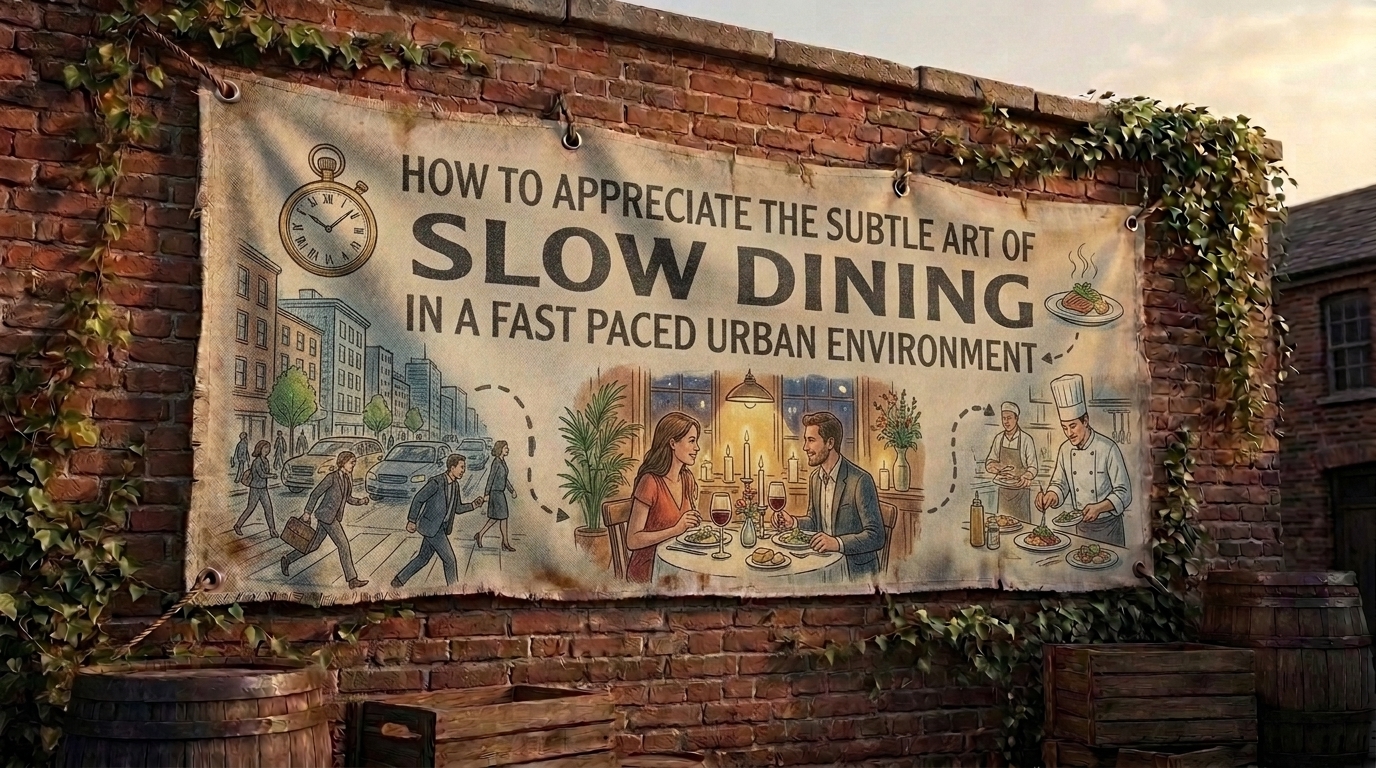
Modern city life is governed by relentless velocity. From the morning sprint for the subway to back-to-back corporate meetings, digital notifications flashing across screens, and deadlines ticking down by the second, our days are structured around speed and efficiency. This frantic urban pace has inevitably infected our relationship with food. We eat standing up at kitchen counters, inhale meals at our desks while typing emails, or treat dining out as a hurried transaction—a logistical hurdle to clear before rushing on to the next appointment.
Yet, pushing back against this culture of hyper-speed is a deeply rewarding culinary rebellion: the art of slow dining.
Spanning the high-pressure financial and cultural hubs of New York, the innovative gastronomic landscapes of San Francisco, the sprawling food-loving expanses of Texas, the executive corridors of Washington, and the sun-kissed culinary corridors of California, urbanites are increasingly discovering that slowing down at the dinner table is not an indulgence—it is a vital act of self-care, cultural appreciation, and mental restoration.
This comprehensive, highly informative guide will teach you everything you need to know to cultivate the subtle art of slow dining, even when you are surrounded by the non-stop rush of a major metropolis.
1. The Philosophy of Slow Dining: Reclaiming Time and Presence
Slow dining is not merely about chewing your food longer; it is a holistic philosophy that transforms eating from a biological necessity into a mindful, restorative ritual.
- The Antidote to Urban Burnout: When we rush through meals, our sympathetic nervous system remains in “fight or flight” mode, which impairs digestion and prevents true relaxation. Slow dining activates the parasympathetic nervous system, allowing your body to properly digest food while signaling to your brain that you are safe, calm, and present.
- Respecting the Culinary Ecosystem: A slow meal honors the agricultural labor, chef craftsmanship, and cultural heritage behind every dish. When you take the time to notice the texture of a handmade pasta, the complex acidity of a natural wine, or the delicate aroma of fresh herbs, you move from passive consumption to active appreciation.
2. Navigating Urban Culture: Slow Dining Across Major Regions
While fast-paced urban centers are stereotyped as rushed, each major region has developed its own unique approach to balancing metropolitan energy with unhurried hospitality.
- New York: Amidst the high-octane energy of Manhattan and Brooklyn, slow dining is found in tucked-away neighborhood bistros, subterranean speakeasy dining rooms, and chef-counter omakase experiences where the pacing of the meal is meticulously curated to detach you from the city’s frantic street noise.
- San Francisco & California: Deeply influenced by the farm-to-table movement, California’s slow dining culture emphasizes seasonal alignment, open-air courtyard seating, and relaxed, multi-course meals that celebrate local wine regions and coastal harvests.
- Texas: Texas hospitality naturally lends itself to unhurried, communal gatherings. Whether it is a long, lazy Sunday afternoon barbecue feast or an extended Tex-Mex dinner shared with family, food here is viewed as a catalyst for deep conversation and community bonding.
- Washington: In the capital’s sophisticated dining scene, slow dining often takes the form of intimate neighborhood wine bars and farm-to-table establishments that invite diplomats, creators, and locals to unwind over thoughtfully sourced, unhurried plates.
3. Practical Strategies: How to Practice Slow Dining in the City
You do not need to book a three-hour Michelin-starred tasting menu to practice slow dining. You can integrate intentional pacing into your regular urban dining routine with these tactical steps:
- The Five-Minute Pause Before Ordering: When you sit down at a restaurant, resist the urge to immediately order everything in a panic. Pour a glass of water, take five deep breaths, survey the room, and let the ambient energy settle before looking at the menu.
- Pace Your Courses: If dining out with friends or family, intentionally stagger your ordering. Instead of dumping all dishes onto the table at once, order starters first, let them be cleared, and then order mains. This natural pacing prevents the table from feeling cluttered and keeps the conversation flowing.
- Put the Smartphone Away: Digital distractions are the absolute enemy of slow dining. Placing your phone face down in a bag or coat pocket transforms your attention back to the physical sensory experience of your meal and the people sharing it with you.
- Engage All Five Senses: Before taking your first bite, pause to observe the visual presentation, inhale the aromatic steam, feel the texture of your cutlery, and actively identify the distinct flavor notes on your palate.
4. Curating a Slow Dining Experience at Home
Slow dining is a state of mind that you can cultivate just as easily in your own dining room or apartment as you can at an upscale restaurant.
- Setting the Ambiance: Ditch the harsh overhead fluorescent lighting. Turn on a warm lamp, light a beeswax candle, and put on a gentle jazz, acoustic, or ambient vinyl record to wash away the sounds of city traffic outside your window.
- Invest in Quality Tableware: Eating off mismatched plastic containers reinforces a rushed, transactional mindset. Elevating your home meals with simple ceramic plates, cloth napkins, and proper glassware changes your psychological relationship with the food you eat.
- Cook with Intention: Turn the preparation process into part of the slow dining experience. Chop vegetables mindfully, simmer a sauce slowly on low heat, and taste as you go.
5. Overcoming Urban Resistance: Dealing with the Urge to Rush
The hardest part of slow dining in a fast-paced city is psychological: the nagging feeling that you are “wasting time” or should be doing something more productive.
- Redefining Productivity: Remind yourself that mental clarity, digestion, human connection, and emotional restoration are vital forms of productivity. A refreshed mind solves work problems far more effectively than an exhausted, stressed mind fueled by rushed food.
- Embracing the Unstructured Hour: Allow yourself one meal a week where you have zero schedule constraints afterward. No rushing to catch a train, no checking emails under the table—just pure, unadulterated time to enjoy good food and good company.
10 Frequently Asked Questions (FAQs)
1. What is the core definition of slow dining?
Slow dining is the conscious practice of slowing down your eating pace, eliminating digital distractions, engaging your senses, and treating meals as a mindful ritual of rest and connection rather than a rushed biological necessity.
2. How can I practice slow dining when I have a very busy work schedule?
You can practice slow dining even in 15 minutes by putting your phone away, closing your laptop, turning off work notifications, chewing each bite thoroughly, and focusing entirely on the flavors and textures of your food.
3. Why do urban environments make slow dining difficult?
Cities are designed around velocity, efficiency, and constant stimulation. Fast-casual dining models, crowded restaurants, and the psychological pressure of packed daily schedules trick our brains into rushing meals.
4. Does slow dining actually improve digestion?
Yes! Eating slowly allows you to chew your food more thoroughly, mixing it with saliva enzymes that kickstart digestion. It also prevents overeating by giving your brain time to register fullness signals.
5. Are there specific restaurants in cities like New York or San Francisco built for slow dining?
Many upscale tasting-room venues, intimate neighborhood bistros, and farm-to-table spots intentionally pace their service to encourage a relaxed, unhurried dining experience.
6. How can I slow down my eating pace if I am naturally a fast eater?
Try putting your fork down between every single bite, taking a sip of water, and engaging in conversation before picking the fork back up.
7. Is slow dining expensive?
Not at all. While you can certainly experience slow dining at high-end restaurants, the core principles of mindfulness, turning off screens, and savoring food apply equally to a simple home-cooked bowl of beans or pasta.
8. What is the connection between the Slow Food movement and slow dining?
The Slow Food movement, founded in Italy, champions local food preservation, sustainable agriculture, and traditional culinary craftsmanship, which naturally aligns with the practice of unhurried, mindful dining.
9. How do I politely ask dining companions to put their phones away during a slow meal?
Lead by example! Place your phone in your bag first, and suggest a fun rule: “Let’s keep our phones tucked away tonight so we can catch up properly over dinner.”
10. Can slow dining help reduce stress and anxiety?
Absolutely. By shifting your body out of the stress-induced sympathetic nervous system response and into a calm, sensory-focused state, slow meals act as a powerful daily mental decompression tool.
Conclusion
In a world that constantly demands more speed, more output, and more hustle, choosing to slow down and savor your food is a revolutionary act of self-preservation. Whether you are dining in a bustling New York brownstone bistro, a sunlit California courtyard, a cozy Washington wine bar, or sharing a home-cooked meal in Texas or San Francisco, the art of slow dining restores your connection to yourself, your community, and the food on your plate. Step off the urban treadmill, put away your screen, and rediscover the profound joy of an unhurried meal.
What is one small change you can make to your daily dining routine starting today to bring more mindfulness and relaxation to your meals?