How to Discover Hidden Basement Speakeasies with Vintage Interior Decor and Ambiance
Introduction
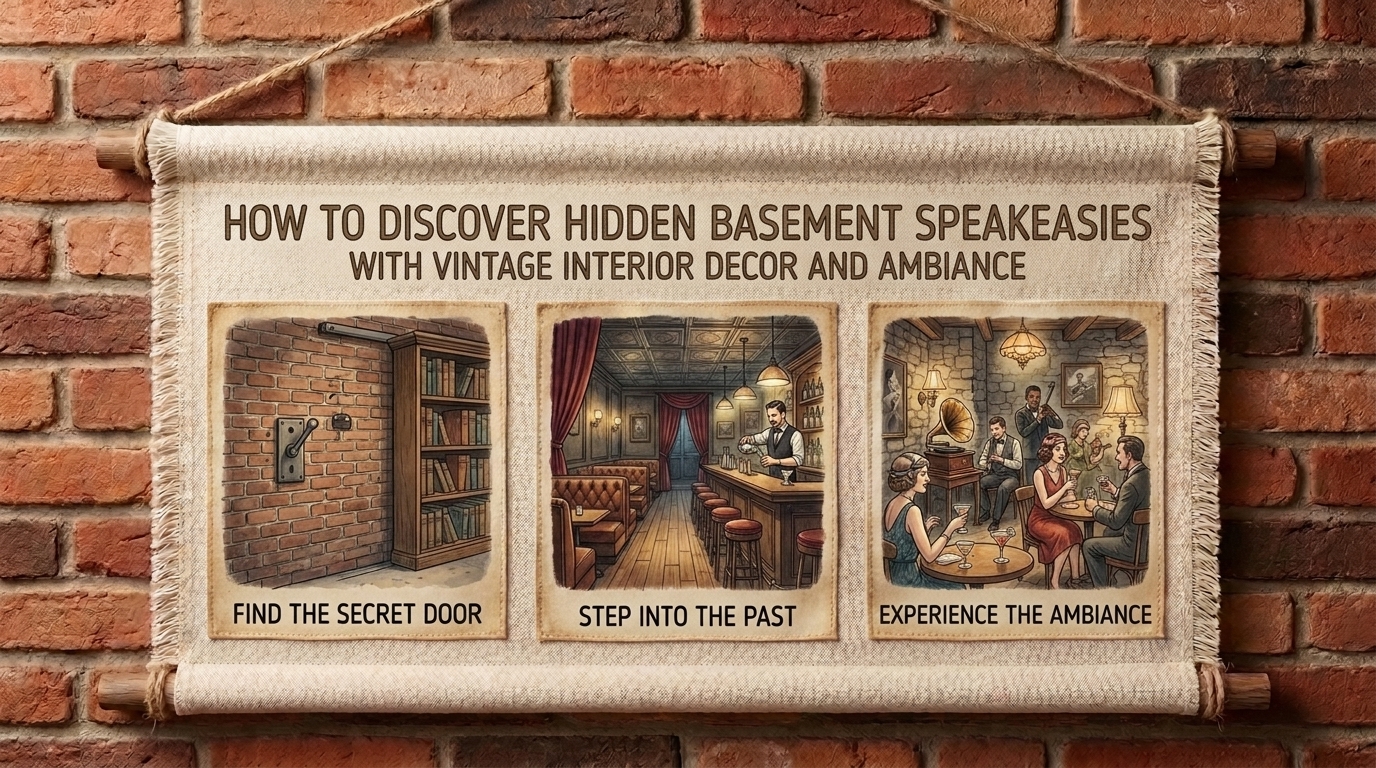
In an age where everything is instantly accessible via digital mapping and transparent storefronts, the human psyche still craves mystery, exclusivity, and discovery. There is an undeniable thrill in stepping off a busy city street, walking down a nondescript flight of concrete basement stairs behind a fake bookshelf or a vintage telephone booth, and entering an entirely different temporal dimension.
Whether you are hunting for hidden sanctuaries beneath the historic brownstones of New York, exploring subterranean dens in the foggy Victorian alleys of San Francisco, uncovering craft cocktail vaults in the policy-dense corridors of Washington, or seeking clandestine lounges across the sprawling, vibrant entertainment districts of Texas and California, hidden basement speakeasies offer an unforgettable escape from the ordinary.
Modern speakeasies are more than just places to buy a drink; they are immersive theatrical environments. They celebrate vintage interior decor—mid-century velvet armchairs, exposed brick archways, antique Edison filament bulbs, reclaimed mahogany bars, and Prohibition-era glassware. Yet, finding these hidden gems requires more than a simple Google search. It demands insider reconnaissance, digital sleuthing, and an understanding of urban exploration culture.
This comprehensive guide explores the history of clandestine bars, the architecture of vintage ambiance, actionable strategies to hunt down hidden basement lounges, regional highlights, and a definitive breakdown of how to navigate these secretive spaces like a seasoned local.
Part 1: The Evolution of Speakeasies: From Prohibition to Modern Craft
To understand how to find modern speakeasies, we must first understand their historical DNA.
1. The 1920s Prohibition Roots
The term “speakeasy” originated during the American Prohibition era (1920–1933), when the manufacture, sale, and transportation of alcoholic beverages were federally outlawed. To survive, illicit drinking dens went underground—literally and figuratively. They hid in cellars, behind barbershops, inside industrial warehouses, and behind false walls. Patrons had to speak quietly (“easy”) when giving the password to avoid alerting law enforcement.
2. The Modern Revival: Experiential Hospitality
Today, Prohibition-style bars no longer operate out of legal necessity; they exist as masterpieces of experiential hospitality. In a world saturated with generic sports bars and glass-fronted corporate chains, consumers crave atmosphere, storytelling, and exclusivity.
A modern basement speakeasy combines high-craft mixology (fresh-pressed juices, house-made tinctures, rare spirits, hand-carved ice) with museum-grade vintage decor. The entrance is part of the performance: the hunt is designed to transition your psychological state from the stress of the outside world into a warm, timeless sanctuary before you even take your first sip.
Part 2: The Anatomy of Authentic Vintage Ambiance
What separates a tacky, theme-park gimmick bar from an authentic, soulful vintage speakeasy? It comes down to the meticulous curation of sensory details:
[ THE PILLARS OF VINTAGE SPEAKEASY AMBIANCE ]
               │
               ├── 1. Subterranean Architecture (Basement brickwork, low vaulted ceilings)
               ├── 2. Layered Lighting (Edison filaments, amber sconces, low Kelvin temps)
               ├── 3. Tactile Materials (Dark mahogany, distressed leather, velvet, brass)
               └── 4. Acoustic Intimacy (Vinyl crackle, muted jazz, low decibel chatter)
1. Subterranean Architecture and Spatial Compression
True speakeasies are almost always subterranean. Descending a flight of stairs physically disconnects you from the street level, dropping atmospheric pressure and mutating city noise into a distant hum. Low vaulted brick ceilings, exposed ceiling beams, and tight corners create a sense of cozy intimacy.
2. The Psychology of Warm, Low-Kelvin Lighting
Bright fluorescent lights destroy vintage ambiance. Authentic speakeasies utilize warm, low-Kelvin (2000K–2400K) lighting sources: flickering wall sconces, vintage table lamps with fringed shades, bare Edison filaments, and occasionally candlelight. This lighting flatters the human face, softens shadows, and creates a secretive, glowing atmosphere.
Part 3: Actionable Strategies to Discover Hidden Basement Speakeasies
Finding these secret dens requires moving beyond standard tourist guides. Implement these five insider strategies:
1. The “Nondescript Storefront” Reconnaissance Method
Speakeasies rarely have neon signs flashing “BAR” on main avenues. Instead, their facades look like boring, unrelated businesses:
- An old-fashioned tailor shop with a single suit in the window.
- An operational vintage bookstore or bodega with a back storage door.
- A classic barbershop with a red-and-white pole.
- An unmarked wooden alley door with a single brass peephole or a glowing red light bulb.
- Actionable step: When exploring downtown historic districts in cities like New York, San Francisco, or Austin, look for unusual queues outside businesses that look closed or completely unrelated to nightlife.
2. Digital Sleuthing and Instagram Geotagging
Modern speakeasies rely heavily on word-of-mouth and Instagram marketing, but they do so cryptically.
- Actionable step: Search Instagram geotags for historic downtown neighborhoods rather than searching generic hashtags like “bars near me.” Look for photos featuring dark wood interiors, low lighting, and unique cocktail glassware without location tags, then trace the cocktail garnish or glassware shape back to local mixologists.
3. Befriend Local Hospitality Insiders
The absolute best source for secret bar intel isn’t a search engine—it’s a human being working in the local food and beverage scene.
- Actionable step: Visit a reputable craft cocktail bar downtown during off-peak hours (early evening). Order a classic drink, tip generously, and ask the bartender: “If I’m looking for a cozy subterranean spot with vintage decor and no sign outside, where would you drink after your shift?” Insiders love sharing secret map coordinates with respectful guests.
4. Master the Art of the “Secret Password” and Reservation Codes
Many hidden bars require more than just finding the door; they require a reservation code hidden on their website or a daily password published on their social media channels.
- Actionable step: Check a speakeasy’s hidden Instagram Stories or website footer before heading out. Memorize the protocol so you don’t stall at the threshold.
5. Explore Historic Industrial Basements and Alleyways
Cities with deep architectural histories have vast networks of old cellars, coal chutes, and subterranean vaults.
- Actionable step: Research your city’s historic building codes or underground history (such as San Francisco’s underground infrastructure or New York’s historic cellar networks). Bars built inside these historic footprints naturally inherit incredible vintage brickwork and structural authenticity.
Part 4: Regional Perspectives: Subterranean Lounges Across Major Hubs
The character of a hidden speakeasy reflects the cultural history of its city:
- New York: Deeply rooted in Gilded Age and Prohibition history. Expect hidden entrances behind phone booths in noodle shops, basement cellars beneath historic brownstones in the East Village or West Village, featuring tin ceilings, leather booths, and classic jazz playing softly in the background.
- San Francisco & California: Blends Victorian architecture with modern craft mixology. Look for subterranean hideaways in historic cable-car districts, Chinatown alleyways, or converted Mission-style cellars featuring warm redwood bars, bohemian art, and natural wine selections alongside classic spirits.
- Washington: Disguised behind historic facades near Capitol Hill or Dupont Circle, D.C.’s secret bars often cater to political insiders, journalists, and staffers looking for off-the-record privacy. Expect rich mahogany libraries, leather wingback chairs, and statesman-inspired whiskey programs.
- Texas: Embracing grand scale and southern hospitality, Texas speakeasies in Austin, Dallas, and Houston mix vintage Texas oil-baron aesthetic with speakeasy charm—featuring pressed tin ceilings, taxidermy accents, leather chesterfield sofas, and exceptional agave and bourbon collections hidden behind unassuming doors.
Part 5: Step-by-Step Guide: Your Speakeasy Exploration Night
[ THE SPEAKEASY HUNT RITUAL ]
       │
       ├── 1. Reconnaissance (Identify unmarked doors & alleyways online/locally)
       ├── 2. The Threshold Test (Approach the unassuming facade with confidence)
       ├── 3. The Password/Knock (Follow the hidden entry protocol smoothly)
       ├── 4. Sensory Immersion (Absorb the vintage lighting, jazz, and aromas)
       └── 5. The Respectful Guest (Tip well, avoid flash photography, savor drinks)
- Step 1: The Setup: Choose your target neighborhood (e.g., Lower East Side in NY, North Beach in SF, Downtown Austin in TX). Note any suspected secret addresses.
- Step 2: The Arrival: Walk up to the unassuming storefront (the bodega, the tailor shop, or the alley door). Approach with calm confidence rather than looking confused or touristy.
- Step 3: The Entry: Speak quietly to the door host or bouncer. State your reservation name or whisper the daily password if required.
- Step 4: The Descent: Walk down the basement stairs slowly. Allow your eyes a moment to adjust from the street glare to the warm Edison bulb glow.
- Step 5: The Experience: Settle into a velvet booth or claim a seat at the polished mahogany bar. Put your phone away, soak in the vintage ambiance, and order a bespoke cocktail crafted by an expert mixologist.
Part 6: 10 Frequently Asked Questions (FAQs)
1. Do I need a reservation to get into a hidden basement speakeasy?
It depends on the venue. The most exclusive speakeasies require reservations weeks in advance via hidden booking links. However, many bars reserve a few counter seats or standing room for walk-ins if you arrive right at opening time (typically 5:00 PM to 6:00 PM).
2. How do I find out the passwords for speakeasies that require them?
Check the venue’s official Instagram account, look at their Facebook stories, or subscribe to their hidden email newsletters. Some bars hide the password inside a riddle on their website’s contact page or voicemail recording.
3. Is it pretentious or intimidating to visit a high-end speakeasy alone?
Not at all! Just like solo dining at a restaurant counter, walking into a speakeasy alone is an empowering experience. Sit at the bar, chat with the bartender about flavor profiles, and enjoy the vintage atmosphere. Bartenders love respectful solo patrons.
4. Can I take photos of the vintage interior decor for social media?
Most speakeasies have strict “no flash photography” policies to protect the privacy of guests and preserve the dim, moody vintage ambiance. Discreetly photographing your cocktail or a close-up detail is usually fine, but avoid flashing bright lights in other patrons’ faces.
5. Why are drinks at speakeasies generally more expensive than regular bars?
You are paying for craft, not volume. Speakeasies use premium, small-batch spirits, house-made syrups, fresh-pressed citrus juices, hand-carved crystal clear ice, and custom glassware, all served in an expensive, high-rent architectural environment with low seating capacity.
6. What should I wear when hunting for a hidden basement speakeasy?
Most modern speakeasies enforce a smart-casual or upscale dress code that matches their vintage aesthetic. Leave gym clothes, athletic sneakers, and ball caps at home. Opt for tailored jackets, dark denim, boots, or stylish evening wear to match the sophisticated 1920s vibe.
7. How do I know if a speakeasy is authentic or a cheap corporate theme bar?
Look for sensory details. Authentic speakeasies smell like aged wood, leather, citrus peels, and bitters—never commercial cleaning chemicals. Their decor features real antiques, heavy fabrics, and brickwork rather than plastic props glued to drywall.
8. Are hidden basement speakeasies accessible for people with mobility impairments?
Because true speakeasies are historically located in basements or cellars accessed via steep staircases, many older venues lack elevators. Always check their accessibility policy online or call ahead if stair navigation is a concern.
9. Can I host private events or large groups at a secret speakeasy?
Due to their small square footage and intimate seating layouts, most hidden speakeasies have strict capacity limits and rarely accommodate large parties without a full buy-out. They are designed for solo visitors, couples, or small groups of 3 to 4 people.
10. How can I discover new speakeasies when traveling to a foreign city?
Consult local independent food writers, boutique hotel concierges, or specialty cocktail blogs dedicated to regional mixology culture (such as Punch Drink, Eater, or local city subreddits). They often track underground openings long before mainstream travel guides catch on.
Conclusion
Discovering hidden basement speakeasies with vintage interior decor and ambiance transforms a standard evening out into a thrilling urban adventure. Whether you are descending into a candlelit cellar in New York, uncovering a Victorian vault in San Francisco, relaxing in a mahogany den in Washington, or exploring a clandestine lounge in Texas, stepping off the beaten path connects you to the timeless art of nocturnal mystery.
Put away the obvious guidebooks, look closer at those nondescript alley doors, master the secret knock, and step down into the warm, timeless glow of the underground cocktail renaissance.