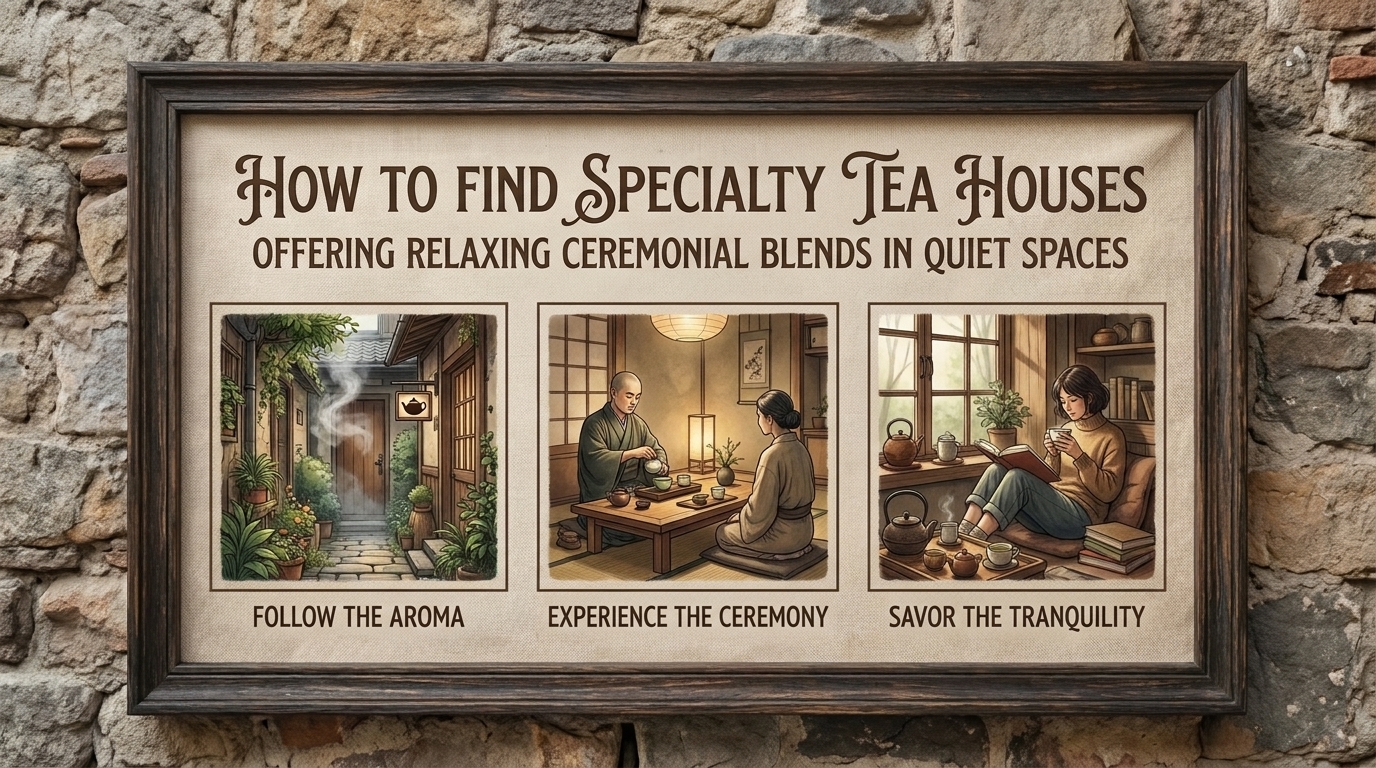
How to Find Specialty Tea Houses Offering Relaxing Ceremonial Blends in Quiet Spaces
Introduction
In our hyper-connected modern lives, sensory overload has become the default baseline. We are constantly bombarded by digital notifications, urban noise, high-stress professional demands, and relentless schedules. While the specialty coffee boom taught us to appreciate single-origin espresso notes and pour-over micro-climates, a quieter, deeper counter-movement is unfolding across metropolitan hubs.
Discerning wellness seekers, mindful creatives, and food connoisseurs are turning away from jittery caffeine spikes and rediscovering the ancient sanctuary of the specialty tea house. Whether you are seeking a meditative matcha bowl amid the historic brownstones of New York, exploring serene Zen-inspired tearooms tucked away in San Francisco and California, unwinding near policy-heavy corridors in Washington, or finding unexpected oases of calm across the sprawling urban centers of Texas, specialty tea houses offer a profound mental reset.
However, finding a truly authentic, quiet tea house that specializes in slow-steeped ceremonial blends requires more than a casual map search. It requires an understanding of tea culture, architectural serenity, sourcing integrity, and the ritual of intentional consumption.
This comprehensive guide explores the history of tea ceremonies, the anatomy of a tranquil tearoom, actionable tips for discovering hidden tea houses, regional highlights across major culinary hubs, and a definitive step-by-step framework to master the art of mindful tea appreciation.
Part 1: The Evolution and Philosophy of the Tea House
To appreciate modern specialty tea houses, we must look at the rich historical lineage that shaped them.
1. From Ancient Rituals to Modern Sanctuaries
Tea is the second most consumed beverage on earth after water, boasting a history spanning thousands of years. From the ancient tea horse roads of China and the meticulous Chanoyu (way of tea) ceremonies of Japan to the vibrant chakhors of Central Asia and historic British afternoon tea traditions, tea has always served as a catalyst for contemplation, philosophy, and community.
In contemporary Western cities, the modern specialty tea house acts as a modern-day temple of stillness. Unlike bustling coffee shops designed for rapid laptop work and high customer turnover, authentic tea houses are designed for slowness. They prioritize quiet conversation, low decibel ambient levels, natural materials, and deliberate pacing.
2. The Science of Ceremonial Blends vs. Commercial Tea Bags
Most commercial tea bags found in grocery stores consist of “dust and fannings”—the crushed, low-grade remnants of mass-harvested tea leaves packaged months or years prior, stripped of their delicate aromatic volatile oils.
Specialty tea houses, conversely, source whole-leaf, single-estate teas from historic gardens across regions like Uji (Japan), Wuyi Mountains (China), Darjeeling (India), and Taiwan. These teas are often crafted into ceremonial blends—meticulously curated combinations of shade-grown green teas, rare oolongs, aged pu-erhs, and soothing herbal infusions designed not just for flavor, but for physiological relaxation and mental clarity.
Part 2: The Anatomy of a Tranquil Tea Space
What distinguishes an exceptional specialty tea house from a standard cafe? It comes down to the deliberate curation of environmental and sensory design:
[ THE PILLARS OF A TRANQUIL TEA HOUSE ]
               │
               ├── 1. Acoustic Dampening (Minimal hard echoes, soft textiles, bamboo walls)
               ├── 2. Elemental Materials (Natural wood, unglazed ceramics, stone, live plants)
               ├── 3. Intentional Lighting (Soft natural light, paper lanterns, low Kelvin warmth)
               └── 4. Ritualized Presentation (Gaiwans, cast-iron tetsubin kettles, clay teapots)
1. Acoustic and Spatial Minimalism
A true tea sanctuary manages sound with intention. You will notice the absence of blenders whirring, heavy commercial espresso steam wands hissing, or aggressive top-40 pop music. Instead, soundscapes feature soft water trickling from a Japanese shishi-odoshi, the faint crackle of a kettle, or gentle instrumental classical or ambient music. Seating layouts are spacious, providing psychological and physical privacy.
2. The Alchemy of Water and Temperature
In specialty tea houses, water is treated with the same reverence as the leaf itself. Using filtered water adjusted for precise mineral content and heating it to exact temperatures—such as 160°F for delicate white teas or boiling water for compressed pu-erhs—ensures that the complex flavor notes (umami, floral, mineral, earthy) are extracted without bitterness.
Part 3: Actionable Tips to Discover Hidden Specialty Tea Houses
Finding these quiet oases in major urban landscapes requires a tactical exploration strategy. Implement these five insider steps:
1. Look Beyond Main Commercial Strips
The best specialty tea houses rarely occupy high-rent, high-traffic corner storefronts on neon-lit avenues.
- Actionable step: Look for independent tea rooms tucked away on quiet side streets, inside historic botanical gardens, on second-floor walk-ups, or hidden behind unassuming courtyard gates in neighborhoods like Chinatown, the East Village, or historic historic districts.
2. Evaluate the Tea Menu Depth
A generic cafe offering “Green Tea” or “Earl Grey” in a bag is not a specialty tea house.
- Actionable step: Review their menu online before visiting. A true specialty house will list specific harvest seasons (e.g., First Flush Darjeeling, Spring 2025 Gyokuro), origin elevations, farmer names, and brewing instructions. They will often offer traditional gongfu-style tea service where multiple small infusions are poured over clay pots.
3. Seek Out Dedicated Importers and Artisans
Many of the finest tea houses are founded by certified tea sommeliers (such as members of the International Tea Masters Association or UK Tea Academy) who travel directly to farms in Asia and Europe. Supporting these owner-operators ensures that your purchase directly supports sustainable, small-scale generational farmers.
4. Visit During “Quiet Windows”
To experience a tea house at its most meditative state, timing is crucial.
- Actionable step: Visit during off-peak hours—typically right when doors open in the morning or during weekday mid-afternoon windows (2:00 PM to 4:00 PM). Weekends can sometimes draw larger crowds looking for brunch alternatives, whereas weekday afternoons offer pure, undisturbed quiet.
5. Inquire About Tea Ceremonies and Workshops
Many specialty tea houses host intimate weekend gongfu tea workshops, matcha whisking classes, or silent tea ceremonies. Participating in these structured events is the fastest way to immerse yourself in the culture and connect with local tea masters.
Part 4: Regional Perspectives: Tea Culture Across Major Urban Hubs
The character of a specialty tea house reflects the unique rhythm and energy of its surrounding region:
- New York: From minimalist matcha bars in Soho to hidden basement tea rooms in the East Village and Chinatown, New York’s tea scene offers a frantic city-dweller instant sanctuary. These spaces combine sleek modern design with ancient meditative brewing traditions.
- San Francisco & California: Deeply intertwined with Asian heritage and West Coast wellness culture, the Bay Area and greater California boast legendary tea houses featuring organic herbal blends, Japanese tearooms with tatami mats, and stunning garden views that bridge urban life with nature.
- Washington: Tucked into historic neighborhoods near Dupont Circle or Capitol Hill, Washington’s tea houses provide a quiet, diplomatic escape from political tension. They often feature global collections of rare white and oolong teas designed for sustained, clear-headed focus.
- Texas: Blending southern warmth with modern culinary innovation, Texas tea houses in Austin, Dallas, and Houston offer expansive, relaxed environments. Alongside traditional hot infusions, you will find artisanal iced herbal blends crafted to combat the warm southern climate while maintaining deep meditative calm.
Part 5: Step-by-Step Guide: Your Mindful Tea House Ritual
[ THE MINDFUL TEA RITUAL ]
       │
       ├── 1. The Arrival (Shed external stress at the door, silence phone)
       ├── 2. The Selection (Consult the sommelier, choose a ceremonial single-origin or blend)
       ├── 3. The Sensory Brew (Observe leaves unfurl, inhale steam aromas)
       ├── 4. The Slow Sips (Multiple small infusions, mindful pacing)
       └── 5. The Peaceful Exit (Grounding transition back into daily life)
- Step 1: The Transition: Leave your phone on silent and stowed away inside your bag. Take a deep breath as you cross the threshold, allowing the quiet atmosphere to lower your heart rate.
- Step 2: The Consultation: Speak with the tea server or sommelier. Share what kind of mood you are looking to cultivate—whether you need grounding earthy pu-erh, uplifting ceremonial matcha, or calming chamomile-lavender herbal blends.
- Step 3: The Observation: Watch as the tea is prepared. Notice the way hot water transforms dried leaves, coaxing them back to life as they unfurl in a glass gaiwan or clay pot.
- Step 4: The Tasting: Sip slowly. Notice how ceremonial blends evolve over multiple infusions; the second and third steeps often reveal entirely different flavor notes than the first.
- Step 5: The Departure: Pay quietly, express gratitude to the staff, and step back out into the city feeling centered, calm, and mentally rejuvenated.
Part 6: 10 Frequently Asked Questions (FAQs)
1. What makes “ceremonial grade” matcha different from regular culinary matcha?
Ceremonial grade matcha is made from the youngest, finest shade-grown tea leaves harvested during the first spring flush. The stems and veins are meticulously removed before being stone-ground into a fine jade-green powder. It yields a naturally sweet, creamy, umami-rich flavor profile without bitterness. Culinary matcha is made from older leaves, meant for baking or blending with heavy sweeteners.
2. Do I need to know anything about tea culture before visiting a specialty tea house?
Not at all! Specialty tea house operators are passionate educators, not gatekeepers. They love guiding novices through flavor notes, caffeine levels, and brewing methods. Simply tell them what flavors you enjoy (floral, earthy, fruity, grassy), and they will curate the perfect cup for you.
3. How do specialty tea houses manage caffeine levels for people sensitive to stimulants?
While black teas and green teas contain natural caffeine, many specialty tea houses offer exceptional caffeine-free options. These include high-grade herbal infusions, rooibos blends, floral tisanes (like whole chrysanthemum or chamomile flowers), and aged dark teas with low astringency.
4. Why are loose-leaf teas served in multiple small infusions (Gongfu style)?
Gongfu tea service uses a high leaf-to-water ratio in small vessels (like a gaiwan or clay teapot) with short steeping times. This method allows you to experience how a single tea transforms across 4 to 8 successive steepings, revealing hidden aromatic layers that a single large mug of tea misses entirely.
5. Can I work on my laptop at a specialty tea house?
Most specialty tea houses discourage or explicitly ban laptop use during peak hours to preserve the quiet, meditative sanctuary environment. If you need to read, journal, or meditate quietly, you will find a warm welcome; if you need to attend video conference calls, a traditional tea house is not the appropriate venue.
6. Why do authentic tea houses often cost more per pot than standard coffee shops?
You are paying for agricultural rarity and craftsmanship. Single-estate, shade-grown, organic, and hand-picked artisan teas require immense human labor and specialized agricultural stewardship compared to industrial bulk commodities. Furthermore, a single pot of loose-leaf tea often yields multiple flavorful infusions, making the actual cost-per-cup comparable to premium coffee drinks.
7. How should I store loose-leaf artisan tea at home?
To preserve delicate aromatic compounds, store your loose-leaf tea in an airtight, opaque container away from direct sunlight, moisture, heat, and strong odors (like spices or coffee). Most high-quality artisan teas are best consumed within 6 to 12 months of harvest.
8. What is the difference between white, green, oolong, black, and pu-erh tea?
All true tea comes from the exact same plant (Camellia sinensis). The categories are determined by how the leaves are processed and oxidized:
- White: Minimally processed, unoxidized buds.
- Green: Heated quickly after picking to prevent oxidation, keeping flavors grassy and fresh.
- Oolong: Partially oxidized, offering complex floral and roasted notes.
- Black: Fully oxidized, yielding bold, maltier flavors.
- Pu-erh: Fermented and aged over years, offering deep, earthy, grounding profiles.
9. Are specialty tea houses accessible for beginners who only drink sweet iced teas?
Yes! Many modern tea houses offer lightly sweetened craft iced teas, sparkling botanical infusions, and cold-brew oolongs that bridge the gap for beginners while maintaining high ingredient integrity without artificial syrups.
10. How can I find authentic tea houses when traveling to a new city?
Look for independent specialty tea purveyors, search for local tea appreciation societies online, or consult specialty food writers who track artisanal beverage trends. When visiting major hubs like New York, San Francisco, or Austin, look for historic or Japanese-influenced gardens that frequently house authentic tearooms.
Conclusion
Finding specialty tea houses offering relaxing ceremonial blends in quiet spaces is a powerful antidote to the fast-paced noise of modern life. Whether you are finding calm in New York, seeking Zen tranquility in San Francisco, discovering hidden rooms in Washington, or unwinding across Texas, stepping into an authentic tea house is an invitation to slow down, breathe deeply, and savor the present moment.
Put away your digital devices, seek out your local artisan tearoom, and let the quiet art of mindful tea appreciation restore your inner balance.