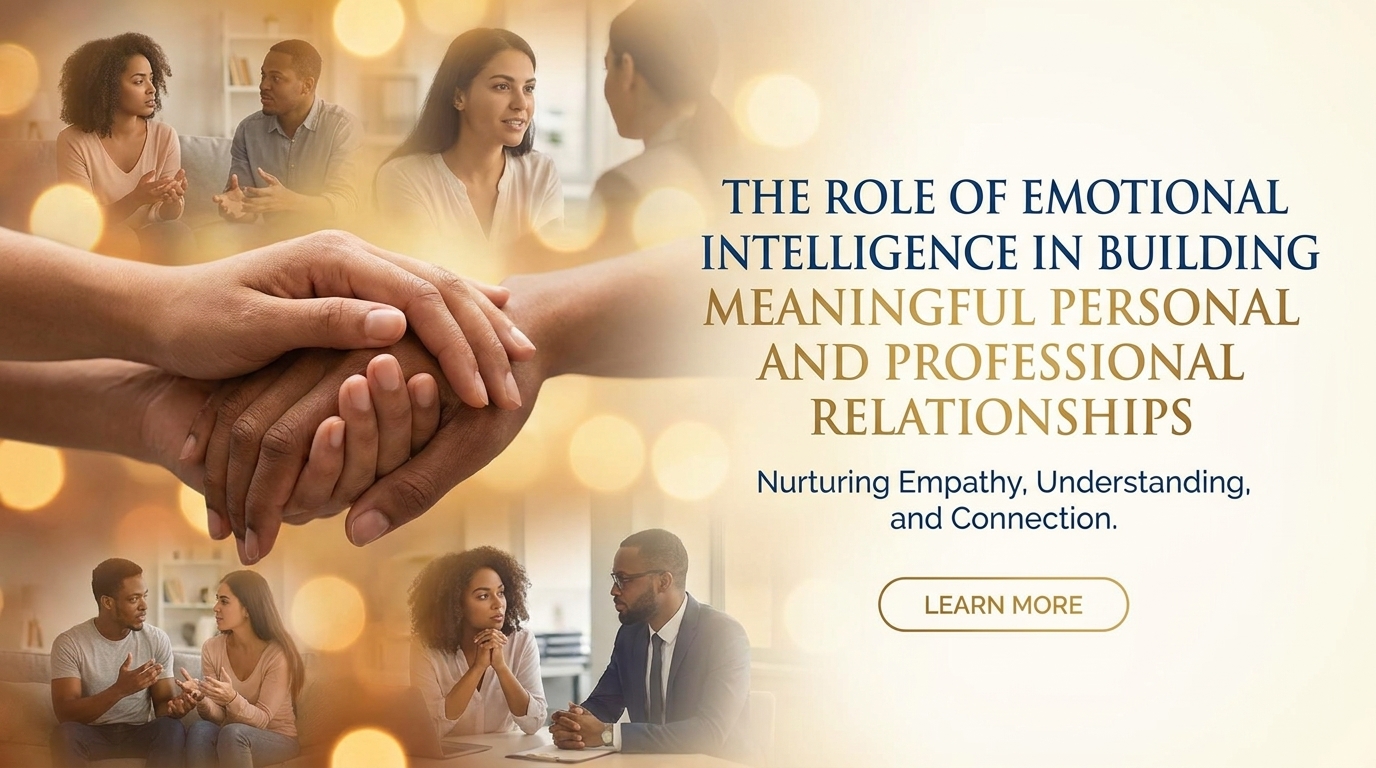
In an era dominated by rapid technological advancement, algorithmic communication, and hyper-connectivity, a profound paradox has emerged: we are more digitally connected than ever before, yet we feel increasingly isolated. Whether navigating high-stakes corporate environments in New York and San Francisco, or building community-centric networks across Texas, California, and Washington, modern life demands more than just technical expertise or academic credentials.
True success—both personally and professionally—hinges on a subtle yet powerful psychological construct: Emotional Intelligence (EI or EQ).
Coined by psychologists John Mayer and Peter Salovey and popularized by Daniel Goleman in the 1990s, emotional intelligence refers to the capacity to recognize, understand, manage, and effectively use our own emotions in positive ways, while simultaneously empathizing with and navigating the emotions of others.
For modern professionals, entrepreneurs, and individuals launching innovative platforms like nyattitude.com, understanding EQ is no longer a soft skill reserved for human resources seminars. It is the core operating system of authentic leadership, resilience, and deep interpersonal connection.
This comprehensive guide explores the five foundational pillars of emotional intelligence, how it transforms both personal bonds and workplace dynamics, actionable tips for cultivating higher EQ, regional dynamics across major U.S. hubs, and answers to the most frequently asked questions on the subject.
1. The Five Pillars of Emotional Intelligence
To understand how emotional intelligence impacts our relationships, we must first break down the psychological framework that defines it. Popularized by Daniel Goleman, EQ is divided into five core domains:
1. Self-Awareness
Self-awareness is the bedrock of emotional intelligence. It is the ability to accurately recognize and understand your own emotions as they happen, as well as their impact on your thoughts and behavior.
- Why it matters: If you do not know why you are reacting with frustration or defensiveness, you cannot effectively manage the interaction. High self-awareness allows you to notice triggers before they hijack your executive functioning.
2. Self-Regulation
Recognizing your emotions is only half the battle; managing them constructively is the next step. Self-regulation involves controlling impulsive feelings, adapting to changing circumstances, and maintaining composure under pressure.
- Why it matters: In fast-paced business hubs like New York or San Francisco, high-stress situations are inevitable. Self-regulation prevents emotional outbursts, fosters trust, and demonstrates reliability.
3. Motivation
Intrinsically motivated individuals are driven by a deep internal passion for achievement, curiosity, and personal growth rather than external rewards like money, status, or praise.
- Why it matters: People with high intrinsic motivation possess a resilient optimism and commitment to goals, inspiring those around them in both personal partnerships and professional teams.
4. Empathy
Empathy is the capacity to step into the shoes of another person, understand their perspective, and genuinely feel or acknowledge their emotional experience.
- Why it matters: Empathy is the glue of meaningful relationships. It bridges cultural gaps, diffuses conflicts, and creates safe spaces for authentic communication.
5. Social Skills
Social skill is the culmination of the previous four pillars. It involves managing relationships to move people in desired directions, whether through effective persuasion, conflict resolution, collaboration, or leadership.
- Why it matters: Excellent social skills allow you to build expansive networks, nurture lifelong friendships, and lead cross-functional teams toward shared visions.
2. Emotional Intelligence in the Professional Sphere
The modern workplace has evolved far beyond traditional hierarchies. Today’s organizational landscapes—whether tech startups in Silicon Valley and Seattle, financial institutions in Manhattan, or dynamic enterprises in Texas—prioritize agility, emotional resilience, and cross-cultural collaboration.
Leadership and Culture
Great leaders do not merely manage tasks; they manage emotional climates. Leaders with high emotional intelligence create psychological safety. When employees feel secure enough to take risks, admit mistakes, and share innovative ideas without fear of retribution, organizational performance skyrockets. Conversely, low-EQ leadership breeds toxic environments characterized by high turnover, burnout, and quiet quitting.
Conflict Resolution
Conflict is an inevitable byproduct of diverse teams working toward ambitious goals. Low-EQ individuals view conflict as a personal attack, leading to defensive postures or passive-aggressive behavior. High-EQ professionals approach conflict with curiosity rather than condemnation. They utilize active listening, separate the person from the problem, and seek collaborative win-win solutions.
Remote and Hybrid Collaboration
As remote work reshapes professional ecosystems across Washington, California, and beyond, emotional intelligence has had to adapt to digital mediums. Without face-to-face cues like micro-expressions or body language, high-EQ professionals rely on tone, responsiveness, empathy in writing, and intentional check-ins to ensure team members feel seen, valued, and connected.
3. Emotional Intelligence in Personal Relationships
While professional success garners headlines, deep personal fulfillment is anchored in the quality of our romantic partnerships, familial bonds, and friendships. Emotional intelligence dictates the depth, longevity, and health of these relationships.
Deepening Intimacy and Vulnerability
Vulnerability is terrifying, yet it is the prerequisite for true intimacy. Emotional intelligence provides the internal safety net required to drop our armor. When we can articulate our fears, insecurities, and desires without blaming our partners, we invite genuine reciprocity.
The Art of Active Listening
Most people do not listen with the intent to understand; they listen with the intent to reply. High-EQ individuals practice active listening—giving their undivided attention, withholding premature judgment, validating the other person’s emotional state, and reflecting back what they heard to ensure clarity.
Breaking Toxic Cycles
We all carry emotional baggage from our past. Self-aware individuals recognize their relational blind spots, attachment styles, and cyclical patterns (such as people-pleasing, stonewalling, or emotional withdrawal). By recognizing these patterns, they can break generational and behavioral cycles, fostering healthier, more secure attachments.
4. Regional Perspectives: Navigating EQ Across Diverse American Landscapes
Cultural nuances and regional pacing significantly influence how emotional intelligence is expressed and valued. Platforms and professionals operating across diverse geographies must tune into these unique frequencies:
- New York: Known for its fast-paced, high-pressure environment, New York professionals value directness and efficiency. Here, emotional intelligence manifests as the ability to remain calm amidst chaos, read subtle professional cues rapidly, and balance blunt communication with genuine respect.
- San Francisco: At the epicenter of technological innovation and venture capitalism, San Francisco thrives on visionary thinking and rapid iteration. High EQ in this ecosystem involves embracing failure as data, navigating intense intellectual debates without taking things personally, and fostering inclusive, multidisciplinary collaboration.
- Texas: Characterized by expansive growth, warm hospitality, and strong community roots, Texas business and social culture places a high premium on relationship-building, authenticity, and personal integrity. Emotional intelligence here often looks like active community engagement, warmth, and honoring commitments.
- Washington: As a hub for policy, government relations, and tech, Washington demands sophisticated diplomatic skills. EQ here is demonstrated through master-level negotiation, consensus-building across polarized viewpoints, and maintaining composure under intense public scrutiny.
- California (Southern & Broader): Balancing wellness culture with creative industries, California places deep emphasis on holistic well-being, mindfulness, and self-actualization. Emotional intelligence integrates psychological mindedness with creative expression and personal boundaries.
5. Actionable Tips to Cultivate Higher Emotional Intelligence
Emotional intelligence is not a fixed genetic trait; it is a dynamic skill set that can be developed, practiced, and expanded throughout your life. Here are actionable steps to elevate your EQ:
- Keep an Emotional Journal: Dedicate ten minutes daily to write down moments when you felt strong emotional reactions. Ask yourself: What triggered this? What did I feel physically? How did I react? How could I have responded better?
- Practice the “Pause” Principle: Before reacting to a provoking email or heated comment, take three deep breaths. This simple physiological reset shifts control from your reactive amygdala to your rational prefrontal cortex.
- Seek Constructive Feedback: Ask trusted colleagues, mentors, or close friends for candid feedback regarding how you handle stress, receive criticism, and listen during disagreements.
- Expand Your Emotional Vocabulary: Move beyond basic words like “mad,” “sad,” or “glad.” Learn to specify your feelings (e.g., apprehensive, under-valued, exhilarated, fatigued, reflective). Precision in labeling emotions accelerates regulation.
- Cultivate Curiosity Over Judgment: When someone frustrates you, replace internal criticism with curiosity. Ask yourself: What pressures might they be under? What perspective am I missing?
- Practice Mindfulness and Meditation: Regular mindfulness practice enhances structural grey matter in areas of the brain associated with self-awareness, empathy, and emotional regulation.
6. Ten Frequently Asked Questions (FAQs)
1. What is the difference between IQ and EQ?
IQ (Intelligence Quotient) measures cognitive capabilities, logical reasoning, memory, and academic problem-solving. EQ (Emotional Intelligence Quotient) measures your ability to understand, manage, and navigate your own emotions and relate effectively to the emotions of others. While a high IQ can help you secure technical roles, high EQ is typically what separates great leaders and collaborators from average performers.
2. Can emotional intelligence be learned, or is it innate?
Emotional intelligence is largely learned. While some individuals may naturally possess temperament traits that make emotional regulation easier, anyone can develop their EQ through intentional practice, self-reflection, coaching, and behavioral modification.
3. How does emotional intelligence impact workplace productivity?
High EQ directly boosts productivity by reducing workplace friction, minimizing costly misunderstandings, enhancing collaboration, and preventing burnout. Teams led by high-EQ leaders exhibit higher morale and discretionary effort.
4. What are the signs of low emotional intelligence?
Common signs of low EQ include chronic defensiveness, inability to accept constructive criticism, blaming others for mistakes, lack of empathy, frequent interpersonal conflicts, outbursts of anger, and an inability to read the emotional room during social or professional interactions.
5. How can I improve my emotional intelligence in remote work environments?
You can build digital EQ by over-communicating clarity and appreciation, using video calls when possible to read visual cues, practicing active patience regarding response times, and intentionally scheduling non-work check-ins to build rapport with remote colleagues.
6. Is emotional intelligence more important in personal or professional relationships?
EQ is equally critical in both domains, though it manifests differently. In personal relationships, it fosters deep intimacy, vulnerability, and conflict resolution. In professional settings, it drives leadership effectiveness, negotiation success, and team cohesion.
7. How does self-awareness serve as the foundation of EQ?
Without self-awareness, you cannot recognize when your emotions are distorting your objective reality. Self-awareness acts as a mirror, allowing you to catch maladaptive behaviors, biases, and emotional triggers before they dictate your actions.
8. Can high emotional intelligence lead to manipulation?
In rare cases, individuals with high emotional awareness can utilize their understanding of human psychology for manipulative ends—a concept sometimes referred to as “dark EQ.” However, true emotional intelligence inherently incorporates empathy and moral integrity, making ethical alignment a fundamental component of authentic high EQ.
9. How do cultural differences influence emotional intelligence?
Cultural norms dictate how emotions are expressed, valued, and regulated. For instance, collectivistic cultures may prioritize harmony and emotional restraint, whereas individualistic cultures often value assertive emotional expression. Culturally competent EQ involves respecting and adapting to these varying behavioral norms.
10. How long does it take to see improvements in emotional intelligence?
Because building EQ involves rewiring habitual neural pathways, noticeable improvements typically emerge within three to six months of consistent self-reflection, mindfulness, and behavioral practice.
Conclusion
Emotional intelligence is the ultimate catalyst for transforming how we experience the world and interact with one another. Whether you are building an innovative venture, managing a cross-country team spanning New York, San Francisco, Texas, Washington, and California, or nurturing intimate bonds at home, your capacity to understand and harness emotion dictates the depth of your impact.
By committing to lifelong self-awareness, rigorous self-regulation, deep empathy, and refined social mastery, you unlock the door to not only sustainable professional success, but also profound, meaningful, and enduring personal relationships.
What area of emotional intelligence—self-awareness, empathy, or emotional regulation—do you find most challenging to practice in your daily routine?