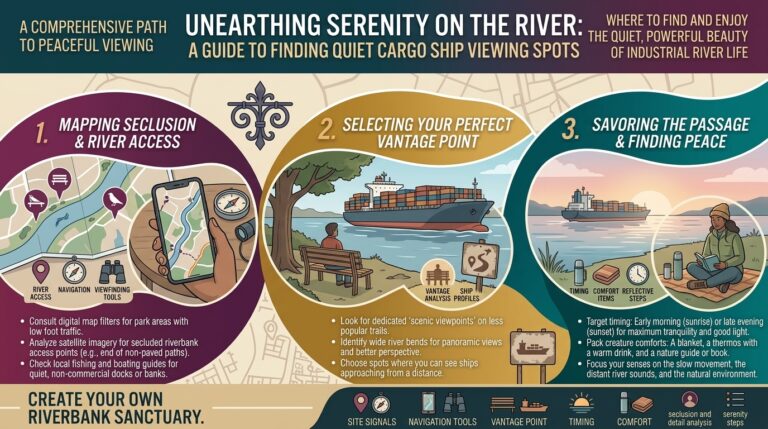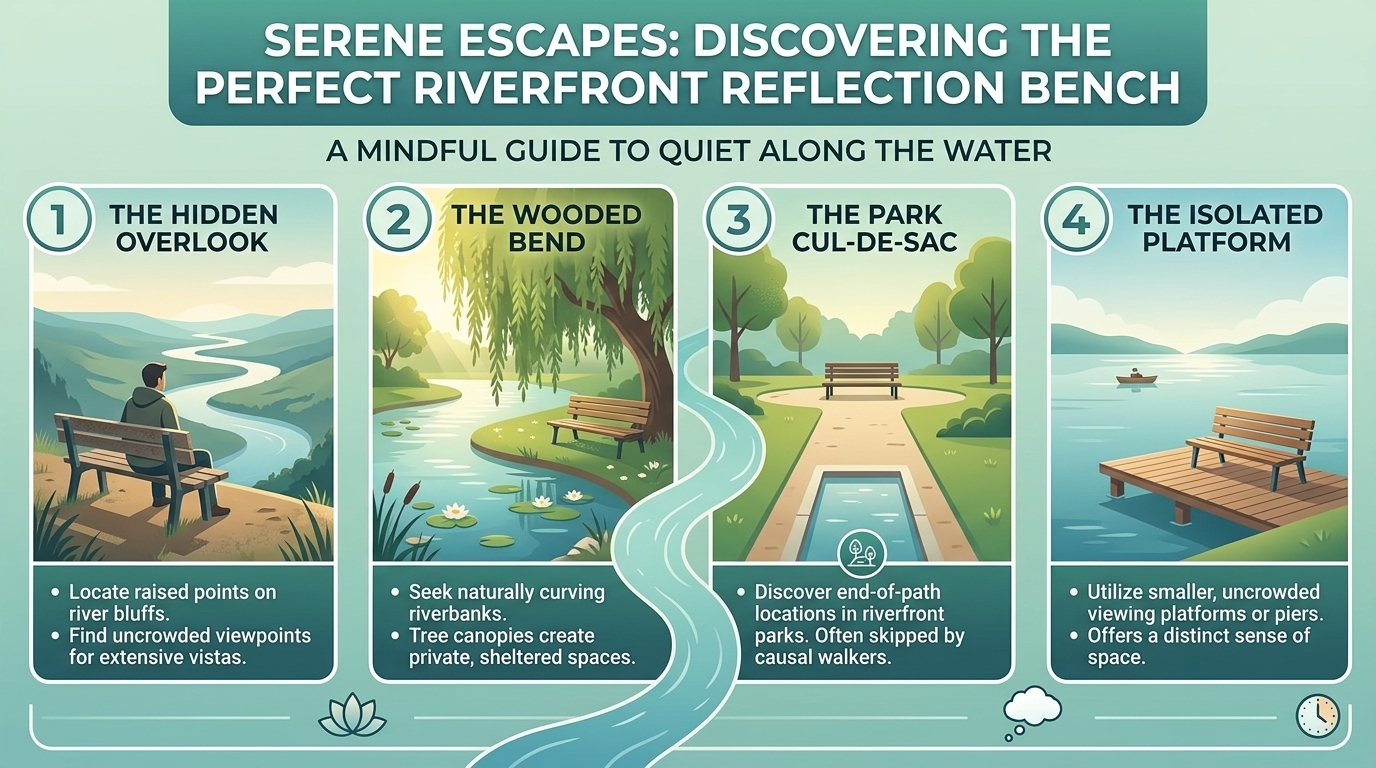
In a world dominated by constant notifications, relentless urban noise, and the perpetual hum of modern productivity, finding a moment of genuine silence feels like an extraordinary luxury. When your mind requires decompression, few things match the restorative power of sitting on a quiet park bench, watching water glide down a river, and letting your thoughts settle.
Whether you are seeking solitude to journal, meditate, read, or simply stare blankly at the water without interruption, knowing where to look is everything. Across major diverse landscapes—from the kinetic edges of New York and San Francisco to the sprawling expanses of California, the evergreen majesty of Washington state, and the historic riverways of Texas—hidden pockets of serenity exist if you know how to find them.
This comprehensive guide breaks down how to locate the most peaceful, reflective riverfront bench spots, what to bring for an optimal session of deep thought, and regional secrets across the country’s most dynamic hubs.
1. The Anatomy of a Perfect Reflection Bench
Not all park benches are created equal. When your primary goal is deep introspection, you must look for specific geographic and architectural features when scanning a map or walking a shoreline:
- Orientation Away from Foot Traffic: The ideal bench faces the water directly or sits slightly recessed from the primary paved walking and biking paths. If joggers and cyclists are whizzing directly behind your ear, true mental relaxation is impossible.
- Natural Sound-Masking Elements: Look for benches situated near miniature rapids, rustling willow trees, or tidal marshes. Natural white noise effectively drowns out distant urban hums, cars, and sirens.
- Optimal Sun and Shade Balance: Depending on the season, a bench baking in direct midday heat or freezing in a shadow will cut your reflection time short. Look for filtered light under a canopy of mature trees.
2. Regional Gems: Finding Riverside Solitude Across the Map
Different states offer unique hydrological and urban landscapes for your quiet afternoon escapes:
New York
While Manhattan is famous for its frantic energy, the edges of the island tell a different story. Look past the bustling Hudson River Park promenades toward secluded piers or the northern tips of Manhattan and Roosevelt Island. Quiet, east-facing or west-facing benches here offer stunning water views paired with surprisingly hushed atmospheres during weekday mornings.
San Francisco & California
In Northern California, the Bay and its surrounding tidal tributaries offer incredible spots where salt air meets river outflow. Look toward the quieter edges of the San Francisco Bay Trail or hidden creek-side parks in the East Bay. In Southern California, while rivers are often channeled, hidden park benches near reservoir outflows and protected wetlands provide unexpected oases of quiet.
Washington State
Washington is a sanctuary for water lovers. From the banks of the mighty Columbia River to the winding waterways and quiet river trails of Western Washington (such as sections near the Hoh or Snohomish rivers), moss-draped trees and misty air create the ultimate atmospheric backdrop for deep journaling and quiet contemplation.
Texas
Texas rivers—ranging from the urban bends of the Colorado River in Austin and the San Antonio River Walk’s quieter northern stretches to the Guadalupe and Trinity riverways—offer wide-open skies. Seek out shaded limestone banks away from the main tourist hubs where you can sit undisturbed for hours.
3. Essential Packing List for a Deep Reflection Session
To maximize your time on the bench and protect your peace of mind, pack a minimalist, highly functional kit:
- An Analog Notebook and Pen: Leave the smartphone tucked deep inside your bag. Writing by hand stimulates cognitive processing and prevents the temptation to check notifications.
- Noise-Isolating Earplugs or Over-Ear Headphones: Even in quiet spots, an unexpected leaf blower or distant siren can shatter focus. Having tools to block ambient noise ensures total control over your environment.
- Weather-Appropriate Layers: Rivers create micro-climates. A sudden breeze off the water can drop the temperature significantly, even on a mild day. Always pack a light windbreaker or comfortable scarf.
10 Frequently Asked Questions (FAQs)
1. What is the best time of day to find an empty riverfront bench?
Early weekday mornings (between sunrise and 9:00 AM) or mid-afternoon on weekdays offer the highest probability of total solitude before commuters and weekend crowds arrive.
2. How do I find hidden river benches that aren’t crowded on Google Maps?
Use the satellite layer on mapping apps to look for green spaces wedged between bends in rivers or industrial/residential boundaries where tourist foot traffic drops off significantly.
3. Are urban riverfronts safe for solo reflection?
Most established municipal parks with river walks are safe during daylight hours. Always choose spots with clear lines of sight, cell reception, and proximity to active walking paths if you prefer a balance of safety and isolation.
4. Can I meditate effectively outdoors near a river?
Absolutely. The rhythmic, repetitive motion and sound of flowing water act as a natural anchor for mindfulness and deep breathing exercises.
5. What should I do if someone sits on the bench next to me while I am reflecting?
A polite nod is standard courtesy. If your goal is absolute isolation, gently pack up or transition to a walking meditation along the bank until a separate bench opens up.
6. Where can I find river benches in New York City that aren’t packed with tourists?
Explore the quieter residential edges of Roosevelt Island, quieter piers in the Upper West Side, or the northernmost paths of Inwood Hill Park where the Hudson and Harlem rivers meet.
7. How do Washington state river spots differ from Texas river spots?
Washington river benches typically feature cooler temperatures, evergreen canopies, and misty mountain runoffs, whereas Texas river spots emphasize wide skies, sun-bleached limestone, and warm southern breezes.
8. Is it okay to bring food to a reflection bench?
Keep snacks light and quiet (avoid crunchy packaging or foods that attract wildlife like aggressive seagulls or ants) so you can maintain a clean, meditative environment.
9. Why is looking at moving water scientifically proven to calm the brain?
Psychologists refer to this as “soft fascination”—nature captures your attention effortlessly, allowing your brain’s directed attention networks to rest and recover from stress.
10. Where can I find more urban escape guides and lifestyle tips?
Browse our comprehensive regional lifestyle and city guides right here on nyattitude.com to discover more hidden sanctuaries near you.
Conclusion
Finding a quiet bench overlooking a river is an act of reclamation—taking back your time, your focus, and your mental clarity from the relentless rush of modern life. Whether you are listening to the steady flow of the Hudson, the damp whispers of Washington evergreens, or the wide southern current of a Texas river, a single hour of uninterrupted reflection can completely reset your perspective. Pack a notebook, leave the screen behind, and let the water carry your stress away.