Building an enterprise, scaling a startup, or chasing a monumental long-term vision is rarely a sprint; it is an unforgiving ultra-marathon.
Whether you are navigating the high-stakes financial corridors of New York, launching disruptive software ventures in San Francisco, expanding multi-state operations across Texas, shaping regulatory frameworks in Washington, or driving creative industries throughout California, the entrepreneurial path is defined by distant horizons and overwhelming complexity.
When you set your sights on a massive, life-altering goal—such as hitting an eight-figure valuation, securing institutional venture capital, or scaling a global brand—the finish line can feel permanently out of reach.
Along the way, founders and ambitious professionals often fall into the trap of delayed gratification fatigue. We condition our minds to believe that happiness, validation, and success are reserved exclusively for the ultimate destination. We achieve a grueling milestone, feel a fleeting two-minute spike of satisfaction, and immediately pivot our gaze to the next gargantuan mountain, wondering why we feel chronically empty, anxious, and exhausted.
The antidote to this chronic entrepreneurial burnout is deceptively simple yet profoundly transformative: the intentional celebration of small milestones.
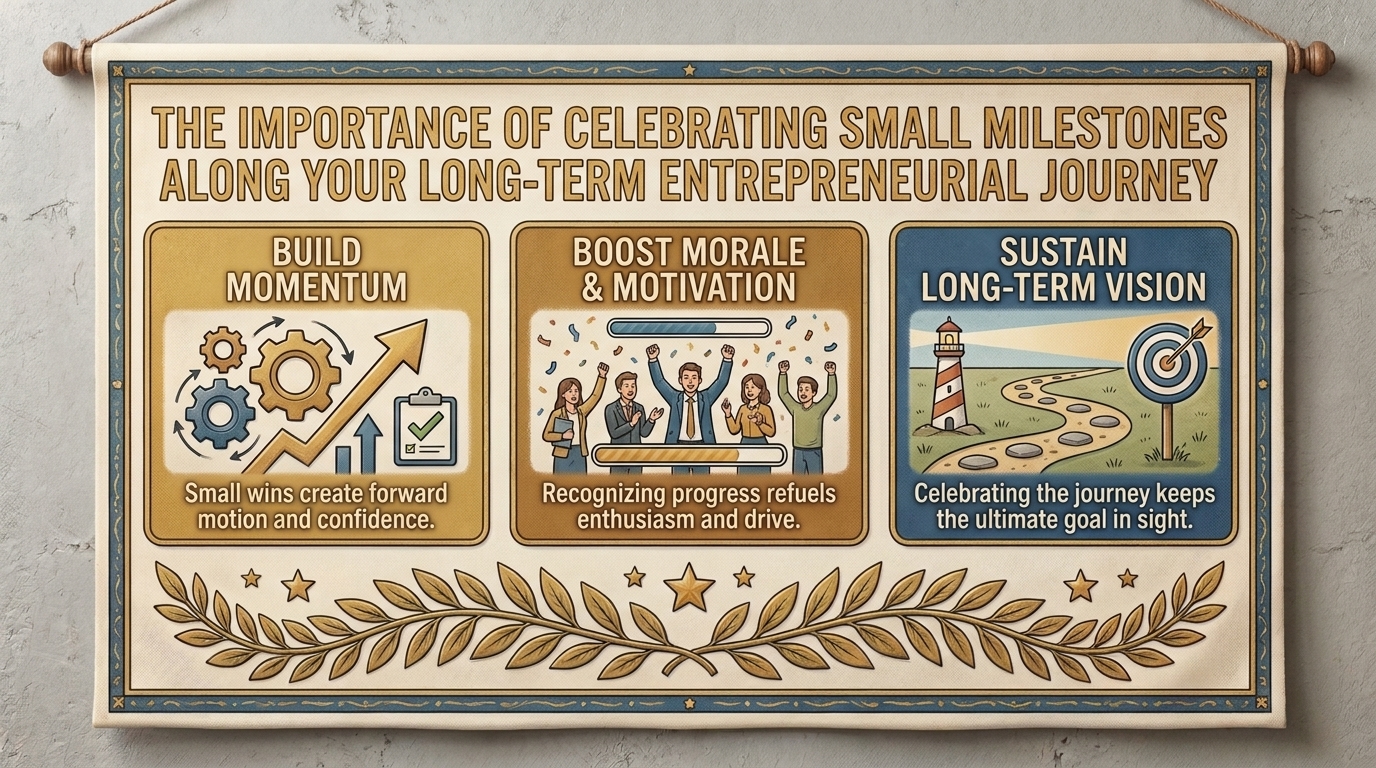
Celebrating micro-wins is not an indulgence or a distraction from real work; it is a vital psychological fuel mechanism that sustains motivation, rewires neural pathways, and builds the emotional stamina required for long-term endurance.
For forward-thinking innovators, leaders, and modern professionals engaging with platforms like nyattitude.com, understanding the art and neuroscience of micro-celebrations is the ultimate secret weapon for sustainable success. This comprehensive guide explores the neuroscience of dopamine, the dangers of destination addiction, step-by-step milestone frameworks, regional navigation across major U.S. hubs, actionable daily tips, and answers to the most frequently asked questions.
1. The Neuroscience of Dopamine: Why Micro-Wins Rewire the Brain
To understand why celebrating small milestones matters so much, we must look beneath the skull into how the human brain processes achievement, motivation, and reward.
The Dopamine Reward Loop
Dopamine is frequently misunderstood as the “pleasure molecule,” but neuroscientists know it is actually the molecule of anticipation, drive, and motivation. When you set a massive long-term goal—such as building a company over a five-year period—your brain’s dopamine system struggles to maintain motivation because the ultimate reward is too far away in the future.
- The Neurochemical Drought: Without intermediate feedback loops, your brain experiences a prolonged dopamine drought. This manifests as chronic fatigue, loss of focus, and waning enthusiasm.
Chunking Goals for Chemical Fuel
When you break a monumental goal down into granular micro-milestones and deliberately pause to celebrate when you hit them, you trigger controlled bursts of dopamine. This chemical release validates your effort, reinforces successful neural pathways, and creates a positive feedback loop that makes you eager to tackle the next challenge. Small wins build behavioral momentum, transforming daunting work into an engaging, rewarding game.
2. The Danger of “Destination Addiction”
Psychologist Dr. Robert Holden coined the term destination addiction—the belief that success is a physical place or future event where we will finally be happy, fulfilled, and at peace.
The Hedonic Treadmill
Destination addiction traps us on the hedonic treadmill. You tell yourself, “Once we close our seed round, I’ll finally breathe.” You close the round, but the moment the ink dries, the goalposts shift: “Now we need to hit product-market fit.” You hit product-market fit, and the goalposts shift again: “Now we need to scale team operations.”
- If your happiness and sense of accomplishment are permanently deferred to a future finish line that keeps moving, you are sentencing yourself to a lifetime of perpetual dissatisfaction.
- Celebrating small milestones forces you to step off the hedonic treadmill, look back at the ground you have already conquered, and anchor your self-worth in the journey itself.
3. Regional Perspectives: Celebrating Progress Across Major U.S. Hubs
The culture of ambition, achievement, and milestone recognition takes on unique personalities across the diverse economic landscapes connected to nyattitude.com:
- New York: Amidst the high-velocity, relentless pace of Wall Street, media, and corporate law, New York professionals are notoriously hard on themselves, treating success as a baseline expectation. Learning to pause and celebrate small milestones here is a vital psychological shield against the city’s frantic burnout culture.
- San Francisco: Grounded in hyper-growth tech startup culture, San Francisco teams often race from one product shipping cycle to the next funding round. Savvy founders in this hub deliberately inject ritualized team celebrations (like demo days and release parties) to maintain morale during grueling development sprints.
- Texas: Spanning massive economic expansion centers like Austin, Dallas, and Houston, Texas business culture combines relentless entrepreneurial grit with a strong appreciation for community, hospitality, and relational connection. Celebrating wins here often takes the form of shared barbecues, team gatherings, and community fellowship.
- Washington: Anchored by federal agencies, defense contractors, and high-stakes policy advocacy, Washington professionals navigate long legislative and bureaucratic timelines. Celebrating small milestones—such as drafting a key policy clause or securing committee buy-in—keeps morale alive during multi-year political campaigns.
- California (Southern & Broader): Balancing entertainment industries, creative arts, and wellness culture, California encourages an integration of professional achievement with lifestyle appreciation, mindfulness, and personal wellbeing.
4. Step-by-Step Framework: The Milestone Architecture Protocol
Integrating intentional celebration into your long-term entrepreneurial journey requires a structured system. Follow these five steps to architect your micro-milestones:
Step 1: Deconstruct the Macro-Vision into Micro-Milestones
Take your 3-year or 5-year master plan and break it down into annual goals, quarterly targets, monthly objectives, and weekly execution sprints. Every single weekly sprint must contain at least one measurable micro-milestone (e.g., “Finalize three client onboarding flows,” “Publish two core thought-leadership articles,” or “Clear the outstanding technical debt backlog”).
Step 2: Define Meaningful, Proportional Rewards
Celebrations do not need to be extravagant or expensive; they must be meaningful. Match the scale of the reward to the size of the milestone:
- Micro-Wins (Weekly): A nice dinner out, a morning off to read a book in a park, or buying a new book.
- Medium-Wins (Quarterly): A weekend trip, a spa day, or upgrading a piece of workspace equipment.
- Macro-Wins (Annual): A proper vacation, a team celebration dinner, or a significant personal treat.
Step 3: Schedule the Celebration in Advance
Do not wait until you hit a milestone to figure out how you will celebrate; schedule the celebration before you start the sprint. Knowing that a specific reward is waiting on the other side of a difficult week provides a powerful psychological pull during moments of friction.
Step 4: Practice Mindful Reflection (The Look-Back)
When you reach a micro-milestone, do not rush past it in three seconds. Sit down for ten minutes, look at where you started, and acknowledge the friction, doubt, and hard work you overcame to get here. Gratitude transforms a completed task into a deeply satisfying victory.
Step 5: Share the Win with Your Circle
Success shared is success multiplied. Share your micro-milestones with your co-founders, team members, spouse, or accountability partners. Recognizing others for their contributions builds profound team loyalty and collective momentum.
5. Actionable Tips to Build Micro-Celebration Habits Daily
Incorporate these practical micro-habits into your weekly routine to keep your morale high and your motivation sharp:
- Host a Weekly “Wins Meeting”: Dedicate the final 15 minutes of your Friday team meeting to a round-robin where every member shares their single biggest win from the week, no matter how small.
- Maintain a “Win Journal”: Keep a dedicated digital or analog notebook where you jot down every completed micro-milestone at the end of each day. On days when impostor syndrome strikes, review your journal to remind yourself of your track record.
- Avoid the “Next Thing” Trap: When you complete a major task, force yourself to take a mandatory 24-hour pause before opening a new project brief or diving into the next chaotic fire.
- Tie Celebrations to Input, Not Just Output: While hitting revenue targets is great, celebrate leading indicators as well—such as maintaining consistency, showing up during a tough week, or executing a difficult conversation with grace.
- Surround Yourself with Optimistic Peers: Distance yourself from chronically cynical colleagues who dismiss small achievements as trivial. Surround yourself with builders who celebrate progress.
- Use Rituals to Transition States: Create a physical or digital ritual to mark the closure of a project—such as archiving a Trello board, closing all browser tabs related to the launch, or taking a celebratory walk outside.
6. Ten Frequently Asked Questions (FAQs)
1. Why do high-achieving entrepreneurs struggle so much with celebrating wins?
High achievers are driven by high standards and future-focused anxiety. Their brains are wired to spot the next problem, risk, or gap, making it psychologically difficult to slow down and acknowledge past success without feeling like they are getting complacent.
2. Won’t celebrating small milestones make me complacent or lazy?
No. In fact, neuroscience shows the exact opposite. Celebrating micro-wins provides positive reinforcement and dopamine hits that boost motivation, build confidence, and fuel your drive to tackle the next difficult challenge with renewed energy.
3. What is the difference between a micro-milestone and a vanity metric?
A micro-milestone represents a genuine, completed unit of substantive progress or skill acquisition (e.g., launching a beta test, fixing a core system bug, or closing a client). A vanity metric is a superficial number (like follower counts or web impressions) that does not reflect true business health.
4. How often should I celebrate milestones along a long-term journey?
Adopt a multi-tiered approach: celebrate micro-wins weekly, medium-wins quarterly, and macro-wins annually. This ensures your dopamine system receives a steady, healthy stream of feedback.
5. What should I do if I hit a milestone but feel completely numb or exhausted?
That numbness is a classic symptom of deep burnout or depletion. When that happens, your best reward is not a party or a trip, but radical physical rest—uninterrupted sleep, quiet time, and complete disconnection from work.
6. How can I encourage my team to celebrate wins without losing focus?
Keep celebrations concise, authentic, and focused on collective effort. A 15-minute Friday wrap-up, a shared lunch, or a personalized shout-out in a team Slack channel boosts morale without derailing operational momentum.
7. How do fast-paced metropolitan hubs like New York and San Francisco view milestone celebration?
These hyper-competitive hubs often promote a culture of constant grind, where people skip celebrations to chase the next funding round or market share. Forward-thinking leaders in these cities actively push back against this toxicity by institutionalizing team appreciation.
8. Is it appropriate to celebrate a milestone even if the overall project failed?
Yes. If you executed a well-researched strategy, learned valuable market data, and operated with high integrity, the effort itself is a milestone worth acknowledging, even if external market conditions caused the project to pivot or close.
9. How does a “Win Journal” help combat impostor syndrome?
Impostor syndrome makes you discount your achievements and magnify your failures. A written win journal provides undeniable, objective evidence of your competence, silencing your inner critic with historical facts.
10. What is the single best first step I can take today to start celebrating my journey?
Look at your current weekly task list, identify three micro-milestones you have already accomplished or are about to finish, assign a simple, enjoyable reward to them, and schedule a 15-minute reflection session at the end of the week.
Conclusion
The entrepreneurial journey is not a race to a distant finish line; it is the daily accumulation of disciplined effort, resilience, and growth. If you refuse to celebrate your progress along the way, you risk sacrificing your health, joy, and passion for a destination that may never feel satisfying.
Whether you are building your enterprise across Texas, New York, California, Washington, or San Francisco, remember to pause, look back at how far you have come, and celebrate every single micro-milestone. Your ultimate success is built one celebrated victory at a time.
What is one micro-milestone you achieved this week, and how will you reward yourself today for your hard work?