In the arena of modern ambition, raw talent and brilliant strategic plans are commodities that many people possess. However, the ultimate differentiator between those who plateau at the first major obstacle and those who scale the highest peaks of their industries is an intangible psychological asset: mental toughness and resilience.
Resilience is not an unchangeable personality trait that you are either born with or left without. Just like physical strength, cardiovascular endurance, or technical mastery, mental toughness is a capacity that must be built, conditioned, and maintained through deliberate daily practice.
Across America’s most dynamic economic and cultural epicenters—whether you are navigating the high-velocity financial corridors of New York, innovating within the competitive tech landscape of San Francisco and broader California, driving policy and structural impact in Washington, or scaling bold enterprises across Texas—the pressure to bend under stress is constant.
This comprehensive guide explores the neuroscience of grit, why small daily habits outperform heroic bursts of willpower, and a step-by-step framework to help you forge an unbreakable mindset over time.
1. The Neuroscience of Resilience: Why Habits Trump Willpower
When people attempt to become mentally tougher, they often rely on raw willpower—forcing themselves through difficult situations purely through intense mental effort. Neuroscience demonstrates why this approach ultimately fails.
- The Willpower Reservoir: Willpower relies heavily on the prefrontal cortex, which is a finite biological resource. When you are sleep-deprived, stressed, or overloaded with decisions, your willpower depletes rapidly.
- The Power of Automations (Basal Ganglia): When a behavior is turned into an automated daily habit, control shifts from the energy-intensive prefrontal cortex to the basal ganglia. Habitual resilience requires zero emotional negotiation; you simply execute because it has become your baseline normal.
- Neuroplasticity and Stress Inoculation: Psychologist stress inoculation theory shows that exposing your brain to manageable, voluntary doses of discomfort (such as physical exercise, cold exposure, or focused deep work) physically alters neural pathways, reducing your reactivity to unexpected stressors.
2. Regional Landscapes of Pressure: Coast-to-Coast Endurance
Different metropolitan regions foster distinct operating environments, requiring localized resilience habits to withstand regional pressures:
New York and San Francisco: Velocity, Pace, and Scale
- New York: The unrelenting speed of New York requires habits centered around emotional detachment, rapid recovery, and blocking out environmental noise to maintain deep focus amid chaos.
- San Francisco: In the Bay Area’s hyper-innovative culture, resilience means building comfort with continuous experimentation, quick failure pivots, and avoiding burnout in high-stakes technology sectors.
Texas, California, and Washington: Expansion, Policy, and Growth
- California: Across broader California, maintaining resilience involves balancing intense creative or corporate output with mindful restoration, nature immersion, and lifestyle longevity.
- Texas: In booming Texas hubs like Austin, Dallas, and Houston, rapid municipal and corporate growth demands gritty self-reliance, adaptability, and high-energy stamina.
- Washington: In the Pacific Northwest, resilience in institutional and policy environments requires patience, intellectual stamina, and long-term strategic persistence.
3. The Four Pillars of Daily Mental Conditioning
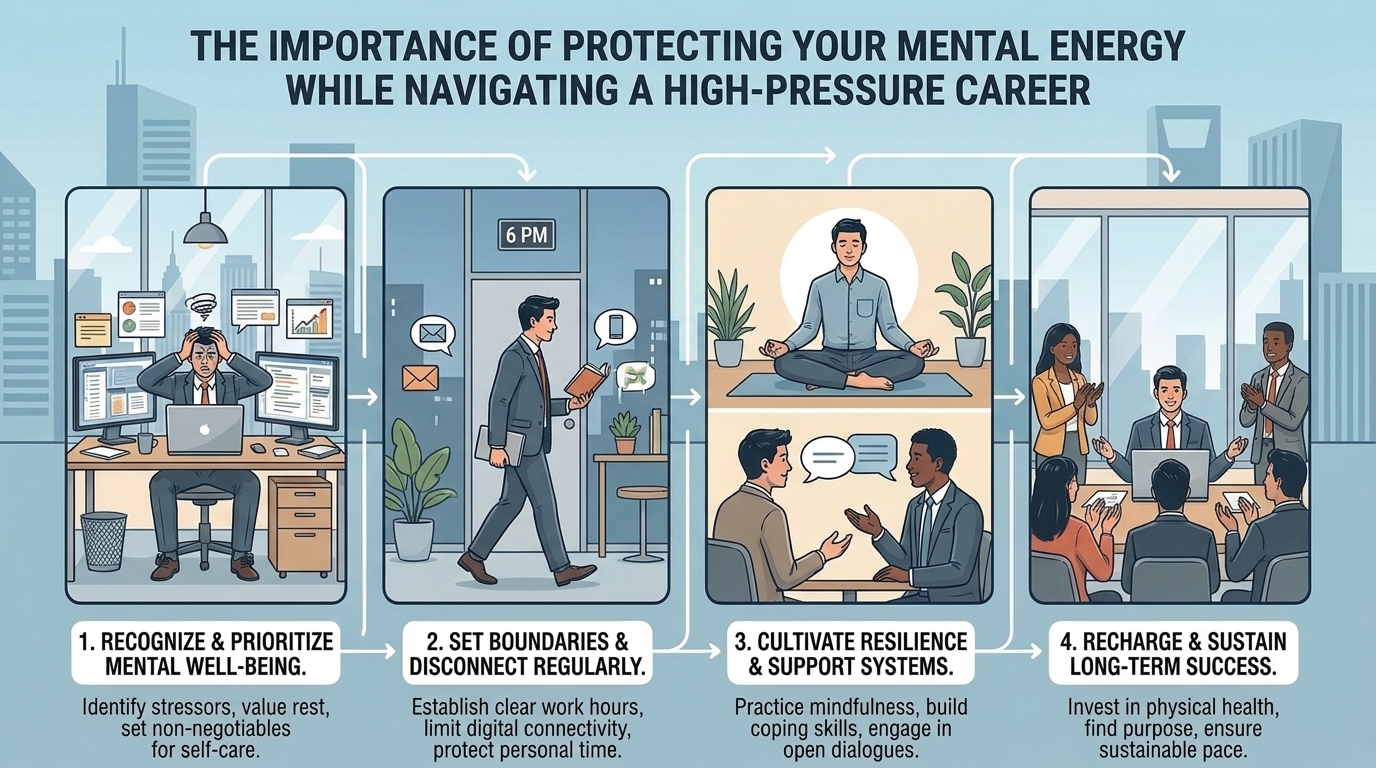
Building lasting mental toughness requires integrating specific behavioral pillars into your daily routine. Implement these core habits:
| Resilience Pillar | Daily Habitual Execution | Psychological Benefit |
| Voluntary Discomfort | Engage in a daily micro-challenge (e.g., rigorous morning workouts, cold showers, or fasting blocks). | Trains your nervous system to remain calm and collected when unexpected external hardships arise. |
| Radical Cognitive Reframing | Keep a daily log transforming negative self-talk or project hurdles into objective data points. | Stops catastrophic thinking and reactivates your internal locus of control instantly. |
| Unyielding Input Boundaries | Protect your morning and evening routines from doom-scrolling, reactive emails, and negative media. | Preserves your emotional baseline and prevents anxiety from hijacking your cognitive bandwidth. |
| Consistent Reflection (Journaling) | Spend 5 minutes every evening reviewing what challenged you and how you successfully handled it. | Accelerates self-awareness and builds compounding self-trust over months and years. |
4. Step-by-Step Blueprint: Designing Your Resilience Routine
Building mental toughness cannot be rushed. Use this step-by-step roadmap to integrate resilience habits into your life without triggering burnout:
- Start with Micro-Habits (The 2-Minute Rule): Do not attempt to overhaul your entire life overnight. If you want to build a habit of mental endurance through exercise or writing, commit to just two minutes a day initially. Consistency of execution matters infinitely more than initial intensity.
- Anchor New Habits to Existing Triggers: Habit stacking is a powerful behavioral technique. Attach your new resilience habit (e.g., 5 minutes of breathwork or reviewing your daily goals) immediately to an established anchor habit like brushing your teeth or brewing your morning coffee.
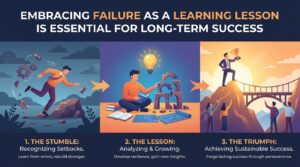
- Embrace Friction as Feedback: Whenever a daily habit feels difficult or uncomfortable, remind yourself that friction is the workout. Just as lifting weights tears muscle fibers to make them grow stronger, mental resistance builds psychological fortitude.
- Conduct Weekly Habit Audits: Every Sunday, review your week. Which habits slipped? Where did your mental toughness falter? Adjust your systems with curiosity rather than self-judgment, and recommit for the week ahead.
5. Ten Frequently Asked Questions (FAQ)
1. What is the difference between mental toughness and stubbornness?
Stubbornness is rigidly clinging to a failing course of action out of pride or ego, ignoring new data. Mental toughness is the psychological flexibility and resilience to endure hardship, pivot intelligently, and persist toward a goal despite obstacles.
2. Can resilience be learned, or is it purely genetic?
Extensive psychological research confirms that resilience is a malleable skill. While genetics play a minor role in baseline temperament, everyone can dramatically increase their mental toughness through intentional daily habits and stress exposure.
3. How long does it take to build a permanent resilience habit?
While the popular myth is 21 days, psychological studies show it takes anywhere from 18 to 254 days (an average of 66 days) for a new behavior to become fully automatic, depending on its complexity.
4. Why do people with high intelligence sometimes lack resilience?
People who find things easy early in life often fail to develop distress tolerance. When they finally encounter severe obstacles or failure, they lack the psychological coping mechanisms that resilient individuals built through consistent struggle.
5. How can I build mental toughness without burning out?
True mental toughness includes knowing when to rest. Pushing through exhaustion without recovery leads to chronic burnout, not resilience. Balance your hard output blocks with strict, non-negotiable restoration habits.
6. What role does physical health play in mental resilience?
Your brain is a biological organ deeply tied to your physical vessel. Regular cardiovascular exercise, proper sleep hygiene, and balanced nutrition directly support neurotransmitter regulation, lowering baseline anxiety and improving stress tolerance.
7. How do I stop quitting when things get uncomfortable?
Shrink the timeline. When a task or project feels overwhelming, tell yourself you only need to push through the next ten minutes or complete the next single step. Momentum defeats intimidation.
8. Is negative self-talk normal when building resilience?
Completely normal. The goal is not to eliminate negative thoughts entirely—that is impossible. The goal is to notice them, detach from them, and choose your next action based on your values rather than your fears.
9. How do major cities test your mental toughness daily?
High-density urban centers like New York or San Francisco present constant sensory stimulation, intense professional competition, high financial stakes, and fast-paced communication, continuously testing your emotional equilibrium.
10. Where can I find more resources on mindset, personal growth, and urban success?
Keep exploring specialized lifestyle, career, and culture hubs like nyattitude.com, where we provide actionable insights, local strategies, and expert guides to help you build an unstoppable life across America’s greatest cities.
Conclusion
Resilience and mental toughness are forged quietly, one small daily habit at a time. Whether you are navigating high-stakes corporate corridors in New York, innovating in the tech hubs of San Francisco, building ventures across California, shaping policy in Washington, or scaling businesses in Texas, your external environment will always present unpredictable hurdles. By anchoring your day in micro-habits, embracing voluntary friction, and replacing fragile willpower with reliable behavioral systems, you can build an unbreakable mental foundation that serves you for life.
Ready to strengthen your mindset, explore local culture, and elevate your daily performance? Continue browsing nyattitude.com to inspire your growth journey forward!