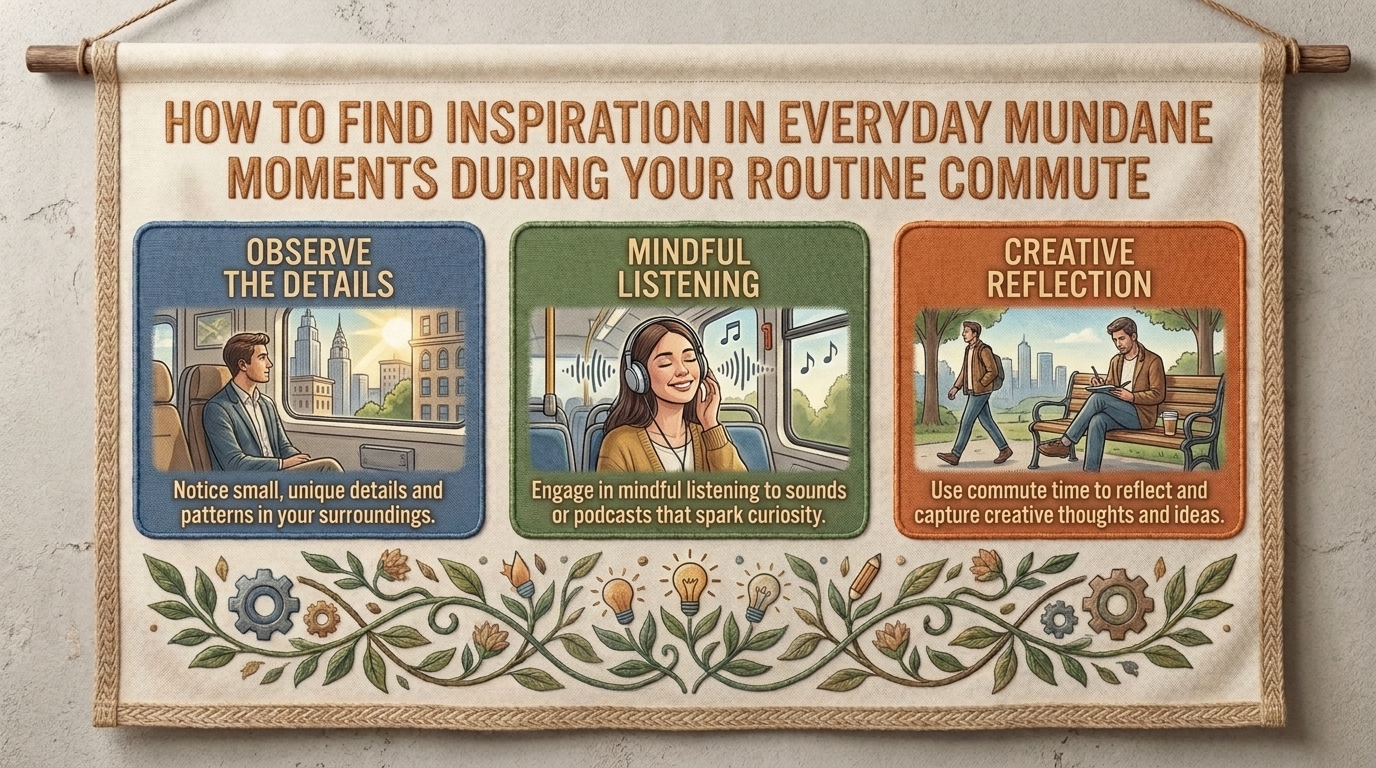
For millions of modern professionals, entrepreneurs, and creatives, the daily commute is viewed as a dead zone—a tedious, energy-draining chore squeezed between the demands of home and the pressures of the workplace.
Whether you are navigating the packed subway lines and yellow-cab gridlocks of New York, sitting in bumper-to-bumper traffic on the Bay Bridge in San Francisco, cruising down bustling interstate corridors across Texas, navigating commuter bridges in the Pacific Northwest around Washington, or driving through sprawling freeway networks throughout California, the commute is often written off as wasted time.
We plug in our headphones, zone out on social media feeds, stare blankly at dashboard steering wheels, or let our minds race with upcoming meeting agendas, wishing the physical transition away as fast as possible.
Yet, this collective dread of the commute represents a massive missed opportunity. What if the very routine you rush through every morning and evening holds the raw material for your next great breakthrough, creative project, or mindset shift?
History is filled with great thinkers, artists, writers, and innovators—from Charles Darwin and Maya Angelou to modern tech founders—who used ordinary transit time not as an interruption, but as a sacred ritual for observation, ideation, and mental recalibration.
For forward-thinking visionaries engaging with platforms like nyattitude.com, turning the mundane commute into a daily engine of inspiration is the ultimate life hack for reclaiming your time and expanding your creativity. This comprehensive guide explores the neuroscience of boredom, the power of passive observation, step-by-step transit-mindfulness frameworks, regional navigation across major U.S. hubs, actionable daily tips, and answers to the most frequently asked questions.
1. The Neuroscience of Boredom: Why Routine Triggers Creativity
To understand how a mundane commute can become a wellspring of inspiration, we must first examine what happens to the human brain when we step away from constant digital stimulation.
The Default Mode Network (DMN)
In our hyper-connected lives, our brains are almost never idle. From the moment we wake up, we bombard our prefrontal cortexes with emails, text messages, notifications, and podcasts. This forces the brain into the Task-Positive Network (TPN), which is optimized for active problem-solving and focus.
- The Magic of the DMN: When you board a train, sit in a bus, or settle into a predictable commute without immediate digital tasks demanding your attention, your brain shifts into the Default Mode Network (DMN). The DMN is the neurological home of daydreaming, creative synthesis, memory consolidation, and deep metaphorical thinking. It is the exact state where sudden “Eureka!” moments and brilliant ideas are born.
The Danger of Hyper-Distraction
When we reflexively grab our smartphones the second we sit down on a train or in a car, we short-circuit the DMN. By replacing mundane physical reality with endless digital noise, we rob our brains of the quiet incubation time required to connect disparate dots. Boredom is not an enemy to be eliminated; it is the fertile soil from which inspiration grows.
2. Reframing the Commute: From Transit to Transition
The most profound psychological shift you can make is changing how you label your commute. Stop viewing it as transit (moving your physical body from Point A to Point B) and start viewing it as a transition (a psychological decompression chamber between your personal life and your professional responsibilities).
1. The Morning Bridge
Your morning commute is your bridge into the day. Instead of rushing across it in a state of stress, use it to mentally prime your energy, review your weekly intentions, or simply observe the waking world around you.
2. The Evening Decompression
Your evening commute is your sanctuary of release. Instead of bringing work stress home or letting office anxieties linger, use the transit window to metabolize the day’s events, letting go of tasks so you can arrive at your doorstep fully present for your family and personal life.
3. Regional Perspectives: Finding Inspiration Across Major U.S. Hubs
The texture, culture, and sensory environment of your commute vary dramatically across the diverse geographic landscapes connected to nyattitude.com:
- New York: The New York subway system and pedestrian commute are living theaters of human diversity. Amidst the subterranean rush, smart commuters tune out the frantic noise and tune into the rich tapestry of humanity—observing strangers, reading subway literature, or noticing architectural details in grand stations like Grand Central to spark creative writing and design ideas.
- San Francisco: Characterized by iconic cable cars, historic hills, maritime fog, and tech-shuttles crossing the Bay, San Francisco commutes offer breathtaking visual contrasts. Local innovators use these dynamic transit windows to observe urban architectural evolution and process complex startup concepts against the backdrop of the Pacific.
- Texas: Spanning expansive highways connecting booming hubs like Austin, Dallas, and Houston, Texas commutes often involve longer drives through vast skylines and changing terrain. Drivers transform these stretches into mobile classrooms through thoughtful audio learning, or use silent drives to watch sunrises across wide-open horizons.
- Washington: Anchored by neoclassical federal architecture, metro lines, and Pacific Northwest green corridors, Washington commutes blend institutional history with natural beauty. Professionals in this region use transit time for strategic reflection amidst monumental civic landscapes.
- California (Southern & Broader): From coastal Pacific Coast Highway drives to sunlit transit lines, California commuting encourages an integration of scenic natural beauty with creative reflection, lifestyle appreciation, and mental wellness.
4. Step-by-Step Framework: The Commute Mindfulness Protocol
Transforming your ordinary commute into an inspiring ritual requires an intentional framework. Follow these five steps during your next transit journey:
Step 1: The Digital Fast (The First 15 Minutes)
For at least the first 15 minutes of your commute—whether walking to a train, driving, or riding a bus—keep your phone tucked securely away in your bag or pocket. Resist the immediate urge to check your inbox or social feeds. Let your nervous system settle into the physical environment.
Step 2: Practice “Sensory Anthropo-Observation”
Look up from your shoes or dashboard and become an active observer of your environment:
- Visuals: Notice the architecture of buildings you pass every day, the changing colors of the sky, or the interesting expressions of fellow passengers.
- Auditory: Listen to the ambient symphony of your commute—the rhythmic clatter of train tracks, the hum of tires on asphalt, or the murmur of conversations around you. Finding beauty in everyday sounds awakens artistic mindfulness.
Step 3: Capture Micro-Insights
When your mind wanders into creative territory during your commute, capture your thoughts immediately before they fade. Keep a pocket-sized analog notebook or use your phone’s voice memo app to dictate a sudden business idea, a descriptive sentence for a story, or a solution to a nagging problem.
Step 4: The Gratitude Anchor
Use the final leg of your commute to mentally list three specific things you appreciate about your life, your career path, or the day ahead. Gratitude shifts your brain chemistry instantly, replacing commute-induced irritability with grounded optimism.
Step 5: Clean Arrival
As you step off transit or park your car at your destination, take one deep, deliberate breath. Mentally close the commute chapter and step into your destination with a clear, calm, and inspired mindset.
5. Actionable Tips to Elevate Daily Transit Into Inspiration
Incorporate these practical micro-habits into your daily travel routine to keep your mind sharp and inspired:
- Alternate Your Routes: If you drive or take public transit, occasionally switch up your path. Taking an unfamiliar side street, walking through a different park block, or boarding a different train car exposes your brain to novel stimuli, instantly breaking autopilot mode.
- Curate Inspiring Audio Content: If you prefer listening to audio during your commute, swap out stressful news broadcasts or fast-paced corporate podcasts for thought-provoking audiobooks, philosophy lectures, or ambient instrumental music that stimulates creative thinking.
- Carry a Pocket Sketchbook or Journal: Always keep a small physical notebook within arm’s reach. Sketching an observation, writing down a fleeting quote, or brainstorming a mind-map on a train ride turns passive travel into active creation.
- Practice “Loving-Kindness” Observations: Look at fellow exhausted commuters around you and silently wish them well (“I hope this person has a wonderful, peaceful day”). Shifting from cynical judgment to quiet empathy transforms your emotional state and builds profound social connection.
- Embrace “Window Gazing”: Give yourself permission to simply stare out the window and let your mind wander without a destination. Window gazing is one of the most underrated cognitive tools for unlocking subconscious problem-solving.
- Protect Your Commute Boundaries: Treat your commute as non-negotiable personal time. Do not use your morning transit to take stressful client calls or answer urgent corporate emails unless an absolute emergency demands it.
6. Ten Frequently Asked Questions (FAQs)
1. Why do we naturally dread our daily commute so much?
We dread the commute because it often feels like stolen time—hours lost to gridlock, crowds, and repetitive motion with no tangible reward. Furthermore, physical confinement combined with the anticipation of work stress triggers low-grade anxiety in the nervous system.
2. How can boredom during a commute actually spark creativity?
When you eliminate digital distractions and experience ordinary boredom, your brain activates the Default Mode Network (DMN). The DMN allows your subconscious mind to process background data, connect unrelated concepts, and generate creative breakthroughs.
3. What is the best way to stay off my phone during public transit?
Put your phone in a zippered compartment inside your bag rather than your coat or pants pocket. Making your phone physically difficult to access creates friction, giving your conscious mind time to choose observation and reflection over mindless scrolling.
4. Is listening to podcasts or audiobooks considered “wasting” commute time?
Not at all. Curated audiobooks, educational podcasts, or language lessons turn your commute into a mobile university. The key is choosing content that elevates your mind rather than doom-scrolling through stressful news cycles.
5. How can drivers find inspiration safely without getting distracted?
Drivers should focus entirely on road safety while using transit time for auditory inspiration—such as listening to thought-provoking audiobooks, conducting silent mental brainstorming, or practicing vocal voice memos when stopped safely in traffic.
6. Can a mundane commute really improve my professional work?
Yes. Many professionals find that the uninterrupted incubation time of a commute helps them untangle complex strategic problems, outline articles or presentations, or conceptualize new project ideas that they can execute once they arrive at their desk.
7. What should I do if my commute is excessively long and exhausting?
For very long commutes, break the journey into distinct psychological “chapters.” Spend the first third on audio learning, the middle third on silent observation or daydreaming, and the final third on organizing your daily goals. Structuring the time prevents it from feeling like an endless monolith.
8. How do regional transit cultures influence commuting inspiration?
Mass transit hubs like New York offer rich social observation and literary culture, while scenic driving regions like California and Texas offer expansive natural vistas and acoustic thinking time. Tailoring your commute habits to your local environment enhances its inspirational value.
9. How long does it take to turn a hated commute into an enjoyable ritual?
Like any mental habit, rewiring your perception of your commute takes about 2 to 3 weeks of conscious intention. Once you begin experiencing daily creative breakthroughs during your transit window, you will actually start looking forward to the quiet space it provides.
10. What is the single best first step I can take on my very next commute?
Leave your phone in your bag for the entire journey. Look out the window, observe the people and environment around you, and let your mind wander freely. You will be amazed at what surfaces when you simply allow yourself to think.
Conclusion
Your daily commute does not have to be a dead zone of stress and exhaustion. By shifting your mindset from reactive transit to intentional transition, embracing the neurological power of boredom, and observing the rich mundane moments around you, you can transform ordinary travel into a daily catalyst for inspiration.
Whether you are navigating your journey across Texas, New York, California, Washington, or San Francisco, remember that your day is shaped by how you inhabit the spaces between your destinations. Slow down, look around, and let the mundane moments spark your greatest ideas.
What is one change you can make to your commute tomorrow morning to turn ordinary transit time into a peaceful, inspiring ritual?