Every creative individual, entrepreneur, writer, designer, and visionary has experienced the terrifying morning when the alarm goes off, you open your laptop or step into your studio, and the internal fire is completely gone. What used to feel like an exhilarating calling now feels like a hollow obligation. The blank canvas, the blinking cursor, or the pending project files do not inspire excitement; they trigger a heavy, suffocating wave of dread.
This is creative burnout. It is not ordinary physical tiredness that can be cured by a single weekend of sleeping in. Burnout is a profound depletion of cognitive, emotional, and psychological energy where productivity drops to a crawl and creative passion feels like a distant memory.
Across America’s most demanding cultural and economic hubs—from the relentless hustle of New York and the visionary tech-art intersections of San Francisco, to the sprawling creative incubators of California, the demanding policy environments of Washington, and the fast-growing artistic and business centers of Texas—the pressure to maintain high daily productivity while keeping creative passion alive is a constant tightrope walk.
If your daily output is stalling and your creative passion is flickering under the weight of exhaustion, this comprehensive guide will help you understand the root causes of burnout, protect your psychological energy, and reignite your creative spark without sacrificing your well-being.
1. The Anatomy of Creative Burnout: Why Passion Fades
To fix creative burnout, you must first understand how it happens. Burnout rarely strikes overnight; it is the cumulative result of systemic misalignment between your creative inputs and outputs.
- The Passion-Monetization Trap: When you turn your passion into your primary source of income or high-stakes productivity, external pressures (deadlines, client demands, financial anxiety, algorithmic metrics) slowly replace the intrinsic joy that made you love the craft in the first place.
- Chronic Output Without Input: Creativity is not a bottomless well. If you are constantly producing, shipping, and executing without feeding your mind with new books, art, nature, conversations, and experiences, your creative reservoir runs dry.
- The Productivity Cult: Modern professional culture equates human worth with relentless output. When you force yourself to write code, design layouts, or paint canvases while running on empty cognitive reserves, your brain builds a protective aversion mechanism against your own work.
2. Regional Landscapes of Pressure: Coast-to-Coast Burnout Triggers
Different metropolitan regions foster distinct operating environments, meaning burnout often wears a unique regional mask:
New York and San Francisco: Velocity, Pace, and Hyper-Competition
- New York: In NYC, creative burnout is frequently driven by relentless speed, exorbitant cost of living, and the cultural expectation to hustle 24/7. Disconnecting feels risky, leading to chronic nervous system overactivation and emotional exhaustion.
- San Francisco: In the Bay Area, burnout often stems from the all-consuming culture of tech disruption and venture-backed ambition. When your identity is entirely fused with your startup or product roadmap, a professional setback feels like an existential collapse.
Texas, California, and Washington: Growth, Policy, and Scale
- California: Across broader California, creatives in film, design, and branding often struggle with boundary fatigue in sunlit cultures that promote perpetual motion and social visibility.
- Texas: In booming Texas hubs like Austin, Dallas, and Houston, rapid municipal and corporate growth creates an environment where ambitious builders feel pressured to out-hustle a rapidly expanding market.
- Washington: In the Pacific Northwest, creative burnout in institutional, policy, or cloud tech sectors often stems from navigating complex stakeholder bureaucracies that stifle rapid creative execution.
3. The Psychology of Restoration: Shifting from Hustle to Recovery
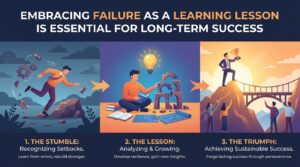
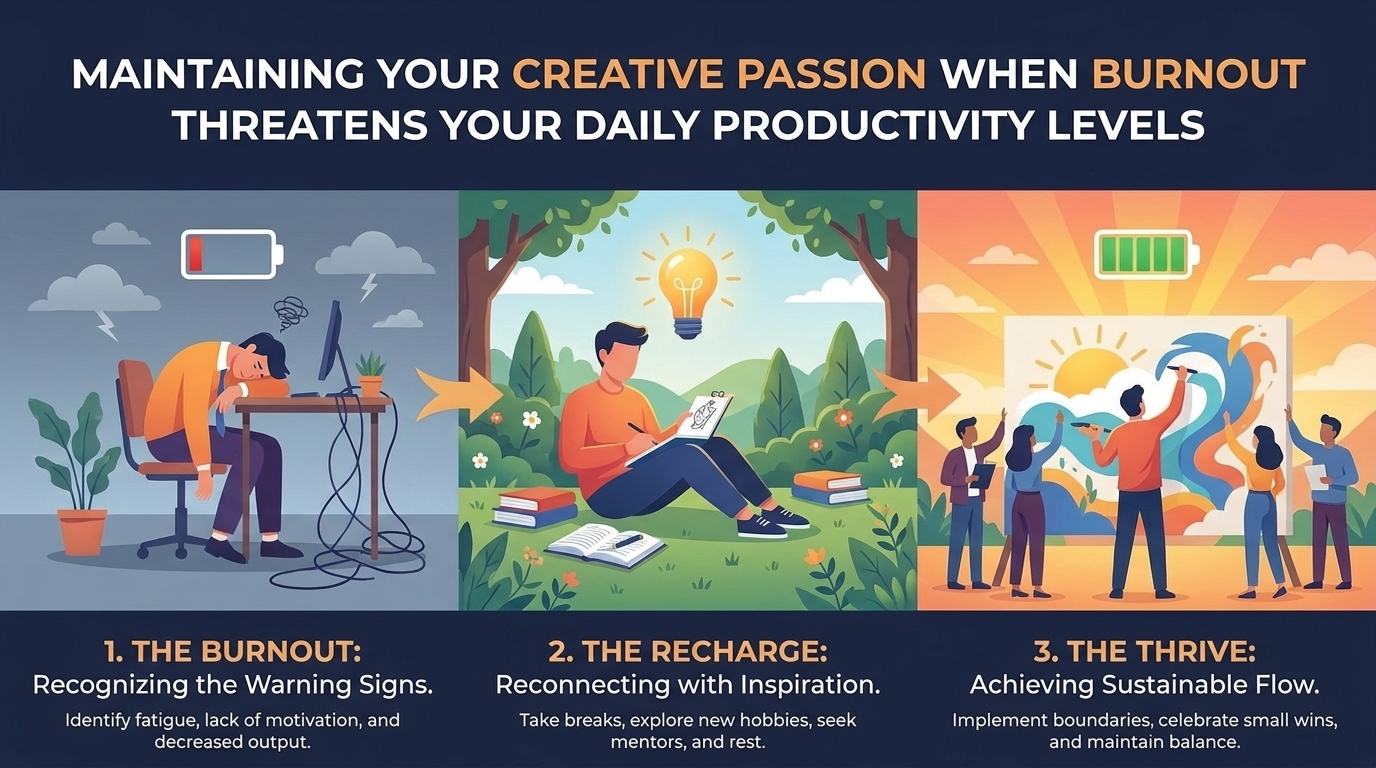
When burnout threatens your daily productivity, doubling down with stricter discipline or working longer hours is the absolute worst thing you can do. It is like flooring the accelerator on a car that has run out of fuel.
- Radical Detachment: You must create psychological distance between your identity and your current project output. You are not your productivity metrics, your portfolio, or your latest launch.
- Low-Stakes Play: Reigniting creative passion requires removing the burden of monetization and audience expectation. Pick up a medium you suck at—finger-painting, pottery, bad poetry, or woodworking—purely for the joy of clumsy experimentation.
- Sensory Resetting: Urban environments bombard our senses with noise, screens, and concrete. True creative restoration requires stepping away into nature, quiet libraries, or unscripted neighborhood drifting to let the subconscious mind process and recover.
4. Step-by-Step Blueprint: Reigniting Your Passion Without Quitting
When burnout has flatlined your productivity, use this four-step tactical framework to gently coax your creative passion back to life:
| Recovery Phase | Tactical Action | Psychological Benefit |
| 1. The Productivity Freeze | Halt all non-essential creative output and client work for a designated decompression window (3 to 7 days). | Stops the bleeding of cognitive energy and gives your nervous system permission to rest. |
| 2. The Input Refill | Consume inspiring work completely outside your niche (e.g., architecture books, classical music, botanical gardens). | Rekindles your sense of wonder and curiosity without triggering performance anxiety. |
| 3. Micro-Dosing Creation | Commit to just 10 minutes a day of creating something with zero stakes, zero publishing, and zero metrics. | Rebuilds trust between your conscious mind and your creative instincts. |
| 4. Systemic Boundary Redesign | Audit your calendar and workload. Eliminate energy vampires, delegate tasks, and set hard daily finish times. | Ensures your renewed passion is protected by a sustainable operational structure going forward. |
5. Ten Frequently Asked Questions (FAQ)
1. What is the difference between normal tiredness and creative burnout?
Normal tiredness is resolved by a good night’s sleep or a restful weekend. Creative burnout is deep emotional, cognitive, and psychological exhaustion where thinking about your creative work fills you with dread, apathy, or numbness.
2. Can I work through creative burnout by forcing myself to be disciplined?
Pushing through true burnout with sheer discipline usually results in a complete psychological crash or prolonged aversion to your work. Discipline is valuable for maintaining habits, but burnout requires active rest and recovery.
3. How do I know if I need to pivot my career or just take a break from burnout?
If a break, boundary reset, and renewed inspiration bring back your love for the craft, you needed a rest. If you feel chronic resentment and complete misalignment with your industry even after extended rest, it may be time for a strategic career pivot.
4. Why does monetization often kill creative passion?
When financial survival depends entirely on your creative output, the pressure to please clients or algorithms replaces your intrinsic curiosity, turning art into transactional labor.
5. How can I protect my creative energy while working a demanding full-time job?
Build strict temporal boundaries. Dedicate a sacred morning or evening window exclusively to your independent creative work before your energy is drained by your day job, and protect that time ruthlessly.
6. What role does physical health play in creative burnout?
Your brain requires adequate sleep, balanced nutrition, and cardiovascular movement to regulate neurotransmitters. Physical neglect directly lowers your stress threshold and accelerates mental exhaustion.
7. How do I deal with the guilt of taking a break when I have looming deadlines?
Remind yourself that a burned-out mind produces mediocre, error-ridden work anyway. Taking a strategic pause to restore your energy is an investment in quality, not laziness.
8. What is “low-stakes play” and why is it essential for burnout recovery?
Low-stakes play is engaging in creative activities with zero expectations of perfection, monetization, or public sharing. It reactivates the playful neurological pathways that fear of failure shuts down.
9. How do major cities impact creative burnout rates?
High-density urban hubs like New York and San Francisco offer incredible inspiration and networking, but their relentless pace, high costs, and competitive pressure can drain mental energy much faster than quieter environments.
10. Where can I find more resources on mindset, creative survival, and urban lifestyle success?
Keep exploring specialized lifestyle, career, and culture hubs like nyattitude.com, where we provide actionable insights, local strategies, and expert guides to help you thrive sustainably across America’s greatest cities.
Conclusion
Creative passion is a fragile, precious flame that cannot be sustained by brute-force productivity or relentless hustle. Whether you are navigating the high-speed creative corridors of New York, innovating in the tech sectors of San Francisco, building ventures across California, shaping policy in Washington, or scaling businesses in Texas, sustainable success requires honoring your psychological limits. When burnout threatens your daily productivity, do not panic or force output. Step back, protect your energy through strict boundaries, refill your creative inputs, and allow your passion to return naturally.
Ready to protect your mental energy, balance your productivity, and reignite your creative passion? Continue browsing nyattitude.com to inspire your growth journey forward!