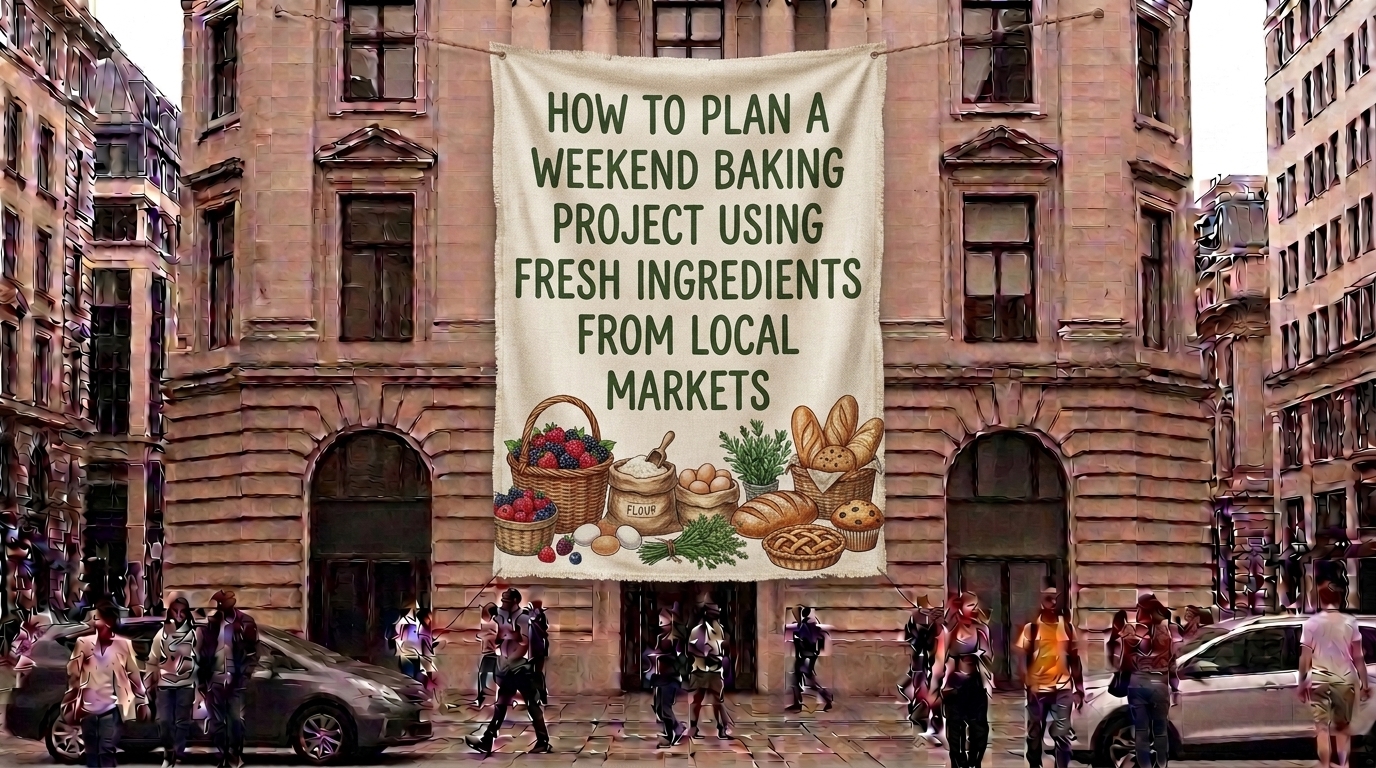
How to Plan a Weekend Baking Project Using Fresh Ingredients from Local Markets
There is a profound, meditative joy in dedicating a weekend afternoon to the art of baking from scratch. Unlike quick weeknight cooking, a weekend baking project invites you to slow down, embrace precision, and transform raw, humble ingredients into golden, aromatic culinary masterpieces. But the secret to elevating a good bake into an unforgettable, bakery-quality creation lies long before you turn on your oven or dust your countertop with flour—it begins at your local farmers market.
When you source vibrant, seasonal fruits, farm-fresh eggs, unrefined local honeys, and freshly milled heritage flours from local growers and producers across regions like Texas, New York, California, Washington, and San Francisco, you unlock depth, color, and flavor profiles that mass-produced supermarket staples simply cannot replicate.
Whether you are crafting a flaky summer stone-fruit galette, a rustic sourdough boule, a rich berry brioche tart, or a seasonal spiced squash cake, this ultimate guide breaks down how to plan, shop for, and execute a flawless weekend baking project using fresh, local ingredients.
The Alchemy of Fresh: Why Local Ingredients Transform Your Bakes
Baking is equal parts chemistry and craftsmanship. Every ingredient plays a precise structural, hydration, or flavor role. When you swap industrial, long-stored pantry items for fresh, locally sourced agricultural products, the chemical and sensory dynamics of your doughs and batters shift dramatically.
                    [ FARMERS MARKET vs. CONVENTIONAL BAKING INGREDIENTS ]
                                           |
         +---------------------------------+---------------------------------+
         |                                                                   |
[ FARM FRESH / LOCAL SUPPLIES ]                                 [ INDUSTRIAL SUPERMARKET ]
- Rich, dark yellow yolks (high fat & carotenoids)              - Pale yolks, lower fat-to-water stability
- Freshly milled flours retaining native germ oils              - Highly processed, bleached, stripped of bran
- Peak-ripeness, high-sugar, aromatic seasonal fruits           - Artificially ripened, water-heavy, muted flavors
- Unpasteurized raw honey with distinct floral notes            - Standardized, high-heat processed liquid sugar
The Culinary Impact of Farm-Fresh Pantry Staples
- Pasture-Raised Farm Eggs: Local eggs from free-roaming hens feature dark orange yolks packed with natural fats and lecithin. This creates richer pastry creams, stronger emulsification in cake batters, and a vibrant golden hue in egg-washed pastries.
- Freshly Milled Heritage Flours: Local millers retain the wheat germ and bran, preserving natural oils and complex nuttiness. Stone-milled flours also absorb liquid differently, producing deeper crust caramelization and superior crumb structure in artisan breads.
- Cultured Farm Butter: High-fat European-style local butter (82%–84% butterfat content) contains less water than standard commercial butter. This is crucial for flaky croissants, laminated pastries, and crisp shortcrust pastry doughs.
- Seasonal Tree-Ripened Fruit: Fruits picked at peak maturity feature lower water content and fully developed natural sugars, preventing soggy pie bottoms while delivering intense, unadulterated flavor.
Regional Seasonal Guide: What to Bake Across Key States
Understanding what is in peak harvest across different regions allows you to tailor your baking projects to the best available local produce:
| State / Region | Peak Harvest Seasons | Best Local Market Ingredients | Signature Weekend Baking Projects |
| California & San Francisco | Year-round; Peak Spring/Summer | Figs, Meyer lemons, stone fruit (peaches, nectarines), strawberries, almonds | Meyer lemon ricotta tart, fresh fig and almond frangipane galette, sourdough. |
| Washington & Pacific Northwest | Late Spring through Autumn | Rainier cherries, marionberries, blackberries, crisp apples, hazelnut flour | Pacific Northwest berry cobbler, cardamom-spiced apple galette, hazelnut brioche. |
| New York & Northeast | Late Summer through Late Autumn | Heirloom apples, Concord grapes, sour cherries, rhubarb, dairy cream | Classic lattice-top apple pie, Concord grape focaccia, sour cherry clafoutis. |
| Texas & Gulf Coast | Spring & Autumn/Winter | Rio Red grapefruit, pecans, fresh figs, Meyer lemons, local raw honey | Pecan praline upside-down cake, grapefruit olive oil cake, honey-glazed biscuits. |
Step-by-Step: Planning Your Weekend Baking Project
Executing a stress-free, rewarding baking project requires a structured workflow that divides the process into manageable stages:
1.Choose Your Recipe & Identify Seasonal Anchor Ingredients:Select a bake aligned with your local seasonal harvest.
Select a recipe built around a seasonal star component—such as fresh stone fruit, local berries, heirloom apples, or fresh herbs. Ensure the recipe matches your available weekend time window.
2.Source Fresh Staples at the Farmers Market:Shop early on Saturday morning for peak produce selection.
Visit your local farmers market early to secure high-fat cultured butter, pasture-raised eggs, single-origin honey, and perfectly ripe fruits before the best items sell out.
3.Execute Day-Before Prep (Mise en Place):Build pastry doughs, starters, or custards in advance.
Prepare components that benefit from resting overnight on Saturday afternoon. Chilling pie doughs, laminating butter blocks, or fermenting bread doughs overnight improves flavor and texture.
4.Bake & Assemble on Sunday Morning:Bake, rest, assemble, and share your creation.
Bake your project on Sunday morning when your kitchen is cool. Allow pastries or breads to rest properly on wire racks before slicing to preserve moisture and crumb integrity.
Essential Baking Equipment for Artisanal Bakes
Investing in a few foundational baking tools ensures your local ingredients are handled with precision:
- Digital Kitchen Scale: Volume measurements (cups) vary wildly based on flour packing density. Weighing ingredients in grams guarantees exact chemical ratios every single time.
- Heavy Granite or French Wooden Rolling Pin: Maintains an even temperature and applies smooth, consistent pressure without warm hands melting delicate pastry butter fats.
- Oven Thermometer: Most home oven dials are off by 10°F to 25°F. An independent oven thermometer ensures accurate baking temperatures for proper crust rise and browning.
- Wire Cooling Racks: Elevates hot bakes off baking sheets, allowing steam to escape evenly and preventing soggy bottom crusts.
Frequently Asked Questions (FAQ)
1. How do I adjust my recipe when using high-fat farm butter?
European-style or farm-cultured butter has higher butterfat (82%–85%) and less water than standard commercial butter. Reduce added liquids (water/milk) in your recipe by 1 to 2 teaspoons to maintain proper dough consistency.
2. Why do my fruit pies turn out runny when using fresh, ripe market fruit?
Peak-ripe fruit releases extra juices. Toss your sliced fruit with cornstarch, tapioca flour, or arrowroot powder along with a squeeze of fresh lemon juice, and let it sit for 15 minutes before filling your pie shell to bind excess moisture.
3. What is the benefit of using stone-milled heritage flour over standard flour?
Stone milling preserves the nutrient-dense wheat germ and bran, imparting rich nutty flavors and higher mineral content. Note that heritage flours absorb more water, so you may need to increase dough hydration slightly.
4. Can I prepare pastry dough a few days in advance?
Yes! Most pie crusts, tart doughs (pâte brisée or pâte sucrée), and brioche doughs can be made, wrapped tightly in plastic wrap, and refrigerated for up to 3 days, or frozen for up to 3 months.
5. How do I know if farm-fresh eggs are still good to bake with?
Place the egg in a bowl of cold water. If it sinks flat to the bottom, it is extremely fresh; if it stands on end, it is slightly older but great for whipping whites; if it floats, discard it.
6. What is the best way to keep fresh berries from sinking to the bottom of cake batters?
Toss your washed and dried fresh berries in a tablespoon of dry flour before gently folding them into your cake batter. The flour coating helps the berries cling to the batter structure during baking.
7. Should I use raw local honey as a 1:1 replacement for granulated sugar in baking?
No. Honey is a liquid sweetener that adds moisture and acidity. If substituting, use 3/4 cup of honey for every 1 cup of sugar, reduce the recipe’s liquid by 1/4 cup, and lower your oven temperature by 25°F to prevent over-browning.
8. Why is it important to let baked breads and pastries cool completely before cutting?
Baking continues during the cooling phase. Cutting into warm bread or pie traps steam, collapsing the internal crumb structure and making the interior gummy or soggy.
9. How do I store leftover baked goods made with fresh ingredients?
Keep fruit-filled pies or cream pastries refrigerated. Store artisan crusty breads cut-side down on a wooden board or in a paper bag at room temperature—never store bread in plastic, which softens the crust.
10. How can I adapt a baking project for seasonal changes throughout the year?
Master a foundational master recipe (like a master galette dough, sponge cake, or brioche dough) and simply swap the fruit topping, spices, or nuts to match whatever is currently peaking at your local market.
Conclusion: The Joy of Weekend Craftsmanship
Transforming a basket of fresh, seasonal produce from your local market into a golden, fragrant baked creation is one of the most fulfilling culinary rituals available to home cooks. By planning your project, respecting the chemistry of fresh ingredients, and giving yourself the time to bake mindfully, you turn a quiet weekend afternoon into a celebratory feast of local flavor, heritage craftsmanship, and pure deliciousness.