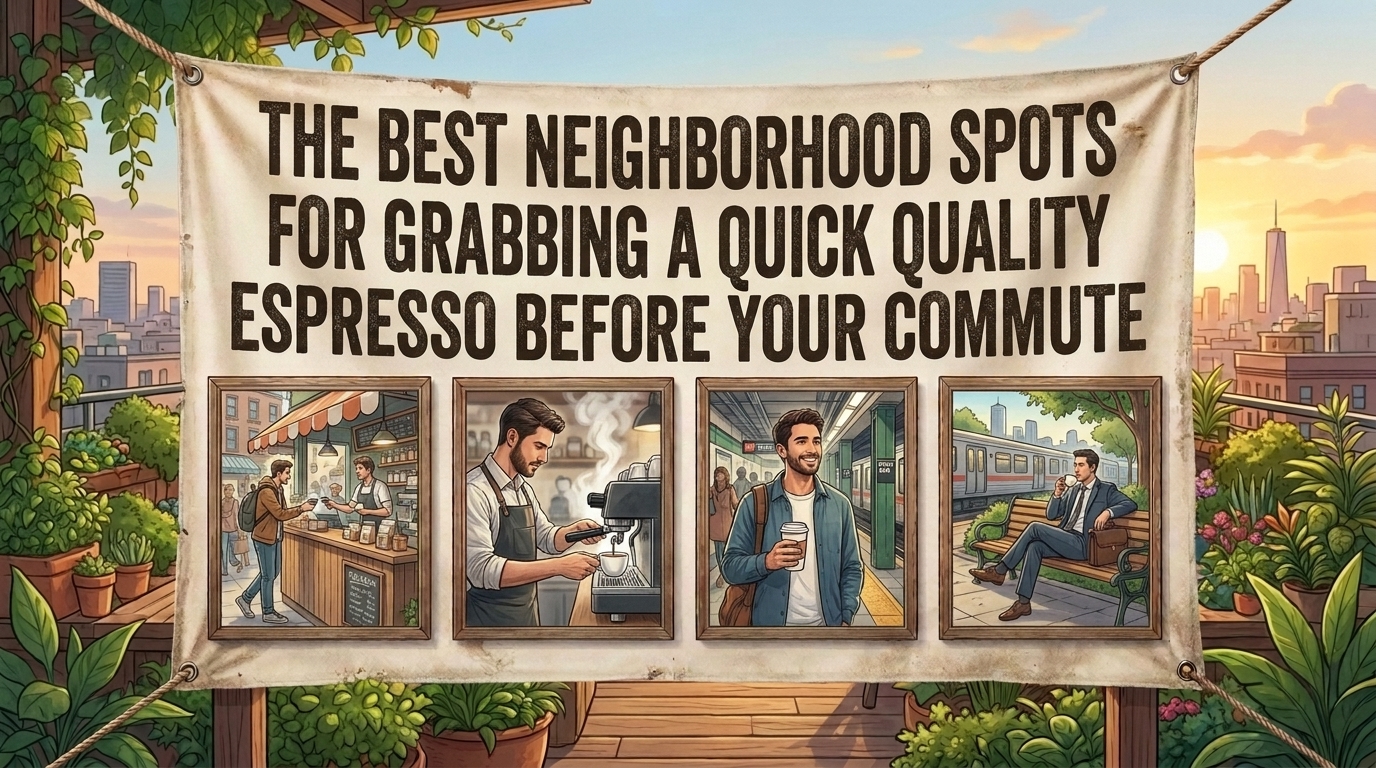
Morning mobility in a major metropolitan landscape is an intricate, fast-paced choreography. Whether you are sprinting down a subway stairwell in New York, catching a historic cable car or bus line in San Francisco, navigating the tech-driven corridors of Washington, cruising the sun-drenched avenues of California, or pacing yourself through the bustling urban centers of Texas, your morning routine hinges on a singular critical anchor: the morning espresso.
For the modern commuter, settling for burnt, automated drive-thru coffee or mass-chain sludge is no longer an option. The modern urbanite demands precision, origin transparency, expertly dialed-in espresso machines, and lightning-fast service that respects the clock.
This comprehensive guide breaks down everything you need to know about finding, evaluating, and seamlessly navigating the absolute best neighborhood espresso spots for your morning commute, keeping you caffeinated, punctual, and inspired.
1. The Anatomy of a Commuter-Friendly Coffee Shop
Not all specialty coffee shops are built for commuters. While destination cafes with slow-pour-over bars and sprawling seating charts are fantastic for lazy Saturday mornings, they can become a commuter’s worst nightmare during the 8:00 AM rush.
To qualify as a top-tier neighborhood commuter spot, a cafe must satisfy specific operational criteria:
- Optimized Workflow Design: Look for shops with a split-station bar layout—where espresso extraction, milk steaming, and order pickup happen at separate, designated points. This prevents bottlenecks and ensures your double shot of espresso is handed over within seconds of pulling.
- Strategic Geographic Placement: The best commute spots are situated within a 60-second walking radius of major transit hubs, subway entrances, or primary bus and bike corridors. They catch you right as you transition from foot to transit.
- Digital Order Integration: Seamless mobile ordering apps that allow you to customize your drink, prepay, and grab-and-go from a dedicated counter shelf are absolute game-changers for shaving minutes off your morning transit window.
2. Regional Coffee Culture: What to Expect Across Major Hubs
Every major region brings its own unique flavor profile, bean-roasting philosophy, and operational speed to the morning espresso routine.
- New York: Speed is king in the five boroughs. New York espresso bars are masters of high-velocity micro-spaces, serving busy professionals who drink standing up at narrow counters or take their shots to-go while dodging pedestrian traffic. Expect medium-to-dark roasts with deep chocolate and caramel notes designed to cut cleanly through dairy or alternative milks.
- San Francisco & California: Deeply rooted in the third-wave coffee movement, California shops emphasize single-origin specialty beans, light-to-medium roasts featuring bright fruit acidity, and direct-trade transparency. You’ll find meticulously dialed-in lever machines and baristas who treat extraction like a science.
- Washington & Texas: Balancing tech-hub efficiency with sprawling geographic layouts, Washington and Texas offer a mix of high-speed urban walk-up windows and spacious neighborhood cafes that cater equally to pedestrians, cyclists, and early-morning drivers looking for quick curbside momentum.
3. Insider Tips for Maximizing Your Morning Espresso Stop
If you want to glide through a packed morning rush without missing your train or breaking a sweat, adopt these pro-level strategies:
Master the Menu Shorthand
During peak morning hours, efficiency is a two-way street. Knowing exactly what you want before stepping up to the register keeps the line moving. Instead of hesitating, use clear, concise terminology: “Double shot espresso, pulled short, in a ceramic mug” or “A traditional 6-ounce cortado with oat milk, to go.”
Build a Rapport with Your Barista
Becoming a regular is the ultimate fast pass. When the baristas recognize your face and know your order by heart, your drink is often being prepped or poured before you even tap your card. A friendly nod, patience during a sudden rush, and a generous tip go a long way in building this morning alliance.
Know the Peak Window
The rush across most metropolitan espresso bars is heavily compressed into two distinct waves: the early wave (7:30 AM to 8:00 AM) driven by remote workers and early risers, and the main rush (8:15 AM to 9:00 AM) driven by corporate commuters. If your schedule allows, hitting the sweet spot at 8:05 AM often beats the heaviest queue.
4. Evaluating Espresso Quality on the Go
How do you know if your quick morning stop is serving exceptional espresso or just expensive caffeine? Look for these four visual and sensory indicators:
- The Crema: A proper espresso should feature a thick, reddish-brown layer of foam on top known as crema. If the crema is missing, pale, or broken, the shot was likely extracted too quickly (under-extracted) or pulled from stale beans.
- Grind Retention and Calibration: Top-tier shops adjust their grinders multiple times a day to account for changes in humidity, temperature, and bean aging. If you notice the barista regularly sweeping grounds or tweaking dials, you are in good hands.
- Cup Warmth: A quality cafe serves espresso in a pre-warmed ceramic cup. Pouring a hot shot into a freezing cold cup instantly drops the temperature and alters the delicate flavor compounds.
- Clean Water Filtration: Great espresso is 98% water. The best neighborhood spots invest heavily in multi-stage water filtration systems to remove chlorine and mineral imbalances that muddy the taste of delicate beans.
5. Sustainable Morning Habits: Reducing Commuter Waste
Grabbing coffee every single workday can generate an alarming amount of single-use waste. Adopting sustainable habits protects both the environment and your morning wallet:
- Invest in a Collapsible Travel Mug: Keeping a lightweight, spill-proof ceramic or stainless-steel tumbler in your work bag ensures you never have to rely on paper cups or plastic lids. Many neighborhood shops also offer a small discount for bringing your own cup.
- Support Local Roasters: Choosing independent neighborhood cafes over massive corporate chains keeps your spending circulating within your local community, supporting ethical farming and direct-trade sourcing standards.
10 Frequently Asked Questions (FAQs)
1. What is the fastest drink to order during a heavy morning rush?
A traditional double espresso, a macchiato, or a plain black drip coffee are the fastest drinks to order because they require minimal milk-texturing time compared to layered lattes or complex specialty beverages.
2. How can I avoid long lines at popular neighborhood coffee shops?
Use the cafe’s proprietary mobile ordering app if available, or aim to arrive during lulls (such as right before 8:00 AM or just after 9:00 AM) to bypass the heaviest commuter traffic.
3. What is the difference between a macchiato, a cortado, and a cappuccino?
An espresso macchiato is a double shot stained with just a dollop of foamed milk. A cortado is equal parts espresso and lightly textured milk (usually a 4-to-6-ounce drink). A cappuccino features equal parts espresso, steamed milk, and a dense cap of foam (usually 6-to-8 ounces).
4. Should I tip for a quick grab-and-go espresso?
Yes. Even for quick counter service, tipping a dollar or rounding up acknowledges the skill, speed, and hard work of baristas working under intense morning pressure.
5. Why does specialty espresso sometimes taste sour or fruity?
High-end third-wave coffee shops often use light-to-medium roast single-origin beans that naturally highlight bright, fruity, or citrus notes, contrasting sharply with the dark, smoky, bitter flavor profiles of commercial chains.
6. How can I find hidden specialty coffee shops in my neighborhood?
Look beyond major commercial corners. Specialty espresso bars are frequently tucked down residential side streets, inside boutique hotel lobbies, or attached to local bookstores and bakeries.
7. Does milk choice affect how quickly my espresso drink is made?
Generally, no. However, alternative milks like oat milk and almond milk texture differently than whole dairy milk. Busy baristas have mastered these milks, so wait times remain nearly identical.
8. Is it better to drink espresso immediately or let it cool?
Allowing your espresso or milk drink to cool for 60 to 90 seconds unlocks hidden flavor notes. Piping hot coffee numbs your taste buds; letting it cool down reveals subtle sweetness and complexity.
9. How do neighborhood cafes keep up with the morning rush?
They utilize highly efficient equipment layouts, pre-weigh or timed-dose espresso grinders, batch brew systems for drip coffee, and well-rehearsed team communication behind the bar.
10. Can I store whole coffee beans in my commute bag for later use?
It is best not to pre-grind or store beans loosely in a bag. If you want to brew at the office, bring whole beans in an airtight container and grind them right before brewing to preserve volatile aromas.
Conclusion
Securing a quick, high-quality espresso before your daily commute is more than a caffeine fix—it is a grounding ritual that sets the emotional and mental tone for your entire workday. By understanding how to spot efficient neighborhood cafes, mastering menu shorthand, and respecting the rhythms of morning rush hours across dynamic cities like New York, San Francisco, Texas, Washington, and California, you can transform your commute from a stressful chore into a seamless culinary highlight.
What is your go-to espresso order when you are in a rush and need to catch your morning train or bus?